









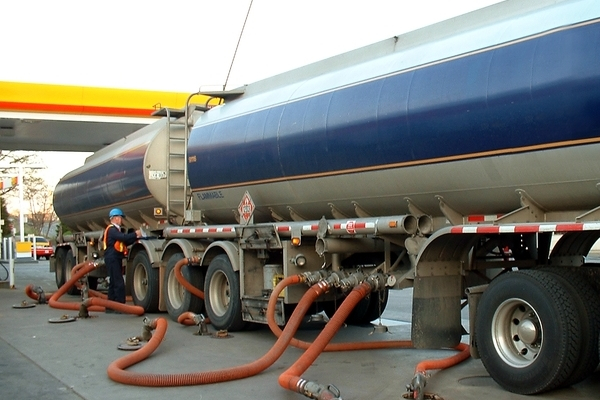
Transport is a human activity aimed at moving people and cargo in space using appropriate means of transport and creating supporting services directly related to it. Transport is the main element of the logistics chain because it occurs between all links of the production, distribution, and consumption process.
Freight transport is used in the delivery of material supplies for production, and later in the process of distributing manufactured goods to the consumer’s warehouse or semi-finished products for further processing. Actions are permanently implemented in relation to transport to improve the safety, punctuality, and reliability of transport, economic and social progress, and environmental protection. At the same time, actions are taken to increase the comfort and ergonomics of the transport services provided while reducing the costs associated with the implementation of the transport service. A specific group among goods are dangerous goods, which in Poland account for 10-15% of all transport services. Dangerous goods and substances are mainly products manufactured by the chemical industry, which entail the need for their movement. Every day, explosive, infectious, flammable, poisonous, corrosive, or radioactive materials and objects are transported over significant distances. The continuous development of the transport industry and the increase in demand for basic raw materials, such as gasoline or diesel fuel, entail the need to take appropriate steps to ensure a high level of safety for transported goods. It is necessary that the increase in the volume of transport of dangerous goods and substances is not synonymous with a simultaneous increase in the risk and probability of an accident; it is necessary to adapt legal regulations in this area and strictly enforce them in daily transport practice. Effective and efficient freight logistics, which is an integrated part of the transport system, is necessary for the protection of the natural environment and increasing human safety. This is particularly important in the case of the transport of hazardous materials. It is necessary to pay special attention to road transport infrastructure and rail transport, as these two basic branches of transport meet the needs of transport service buyers.
Definition and types of hazardous cargo
A specific type of cargo is dangerous goods (English: dangerous goods, hazardous materials). These are products whose physicochemical and biological properties mean that their transport poses a potential threat to people and the natural environment. To avoid these risks and ensure the safety of all persons involved in handling hazardous cargo and other road users and the natural environment, their transport has been surrounded by regulations and restrictions.
The full article is available below in PDF format.
Source: Logistyka Magazine