








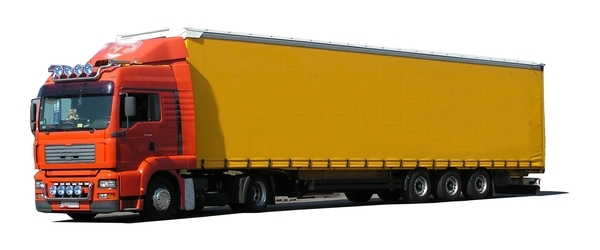
The electronic toll collection system for national roads was introduced in Poland on July 1, 2011. It covers vehicles with a GVW exceeding 3.5 tons, with tolls differentiated based on the vehicle’s weight including cargo and the vehicle’s environmental class.
In accordance with the principle of equality, the toll is paid by both Polish citizens and citizens of other countries traveling on road sections covered by the system. The purpose of this article is to isolate the cyclical component of the payments made and to assess the actual impact of the electronic toll collection system on national roads in Poland on state budget revenues. Road tolls as an element of internalizing external costs generate specific revenues for the state budget, which, after deducting costs, are allocated as a fund for the construction and modernization of national roads and motorways. For this purpose, data from the ViaTOLL system were used. This aspect is particularly important today, as some road sections planned in the schedule are not being commissioned, and consequently, subsequent stages of expanding the ViaTOLL system are not being implemented.
Analysis of data from the ViaTOLL system
According to data from the ViaTOLL system, the usage of individual classes of toll roads varied, both in terms of the number of kilometers traveled and the number of transactions, i.e., the number of vehicle registrations at gantries. The degree of usage of toll roads by heavy goods vehicles with a GVW >12 t and by all vehicles in the period from October 2011 to January 2012 is presented in Table 1.
Based on the data contained in Table 1, the following observations can be made:
1. The highest traffic intensity, expressed by the number of kilometers traveled, was observed on motorways, followed by expressways, and the lowest on national roads.
2. The number of transactions was highest for national roads, which results from shorter distances between gantries (more exit options).
3. Heavy goods vehicles with a GVW over 12 t traveled nearly 67.5% of the kilometers on roads covered by the electronic toll, thus they constitute the main group of system users.
4. The remaining 32.5% of kilometers traveled are attributed to vehicles with a GVW over 3.5 t but not exceeding 12 t, and to buses.
Analyzing the state budget revenues from road tolls, it can be pointed out that the vignette system in 2010 brought in 807 million PLN, which averages to revenues of about 67.25 million PLN per month. Based on information from the ViaTOLL system regarding revenues from the first 7 months of the electronic system’s operation, it can be stated that the average monthly revenue to the budget was slightly over 60 million PLN, with the highest revenues recorded in September and October 2011, and the lowest in the first month of the system’s operation, i.e., July 2011.
The article contains 10,280 characters.
Source: Logistyka Magazine 3/2013