








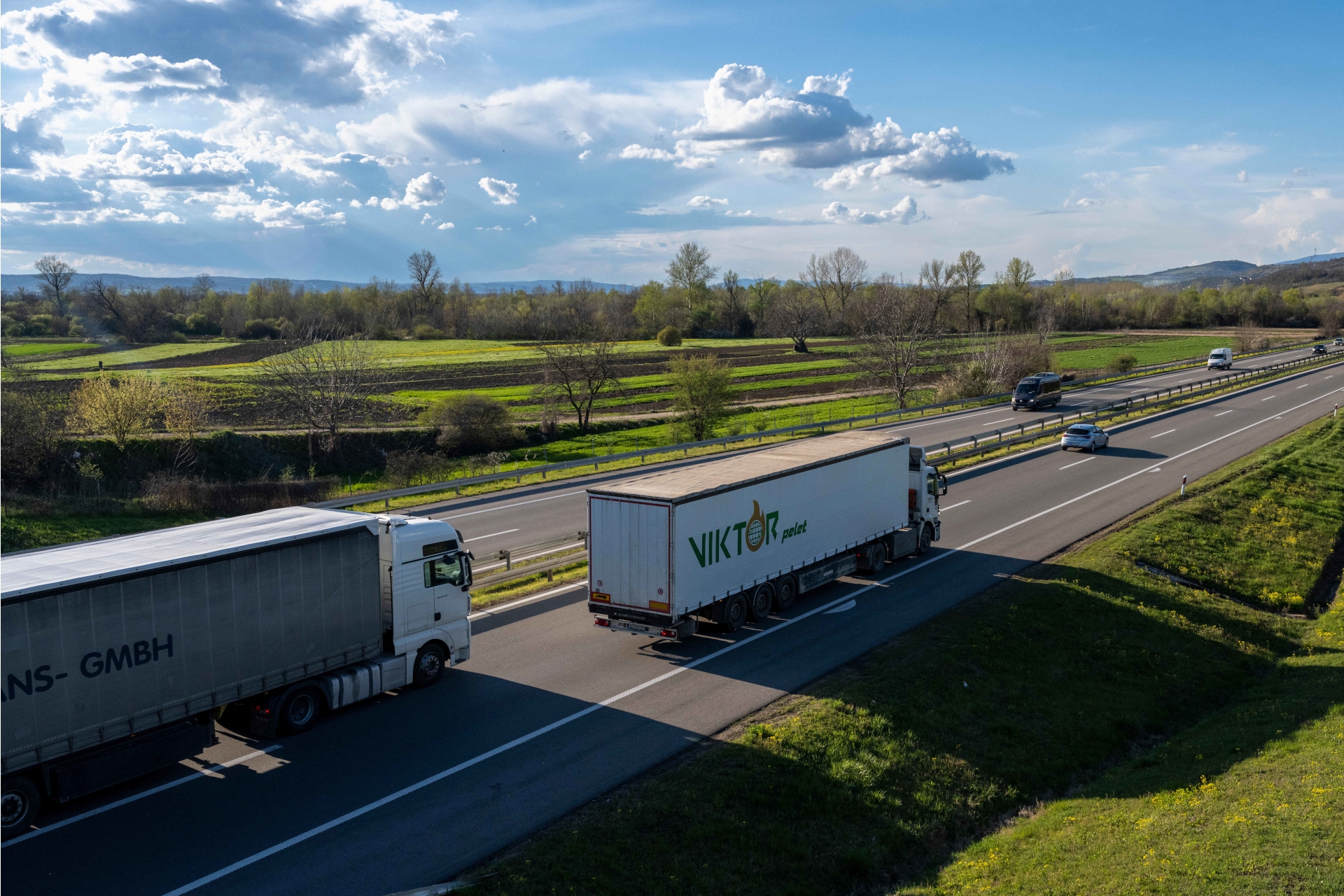
The growing importance of Serbia as a logistics hub in the Balkans is attracting an increasing number of transport companies from the European Union. Although the country remains outside the EU and the Schengen Area, proper documentation preparation and knowledge of local conditions allow for effective operations in this promising market.
– Serbia is a strategic market in the Balkan region, which, despite certain procedural challenges, offers great opportunities for entrepreneurs from the European Union – points out Joanna Porath, owner of the AC Porath customs agency.
To effectively carry out transport in this direction, carriers must meet a number of formal requirements and prepare for local operational conditions:
- Complete paper documentation is required in traditional form (no e-CMR) – the basis is: SAD, CMR, commercial invoice, and additional certificates for selected groups of goods;
- Preferential customs conditions thanks to the SAA Agreement – concessions for many categories of goods and the possibility of using the Free Customs Zone in Novi Sad;
- Specifics of transport in the region – mountainous terrain and difficult winter conditions require experienced drivers.
Each of these elements requires precise preparation, but proper transport planning allows for the efficient execution of shipments to Serbia.
Documentation and formal aspects
Unlike EU standards, Serbia does not use the e-CMR system, which means that complete paper documentation is necessary. Basic documents include: the Single Administrative Document (SAD), the CMR consignment note, and the commercial invoice. Additionally, the transport of food products requires phytosanitary or veterinary declarations.
– It is best to build a clearance chain from export in the EU to import in Serbia or vice versa, i.e., to guarantee clearance at both ends of the journey. This way, we will avoid the lack of documents confirming the export of goods from the EU – emphasizes Joanna Porath.
An important aspect is also the differences in quality standards between the EU and Serbia, which may result in requirements for additional certificates for certain types of goods. Particular attention should be paid to tax issues, where it is crucial to receive the IE518 message, confirming that the goods have actually left the EU customs territory for the application of the 0 percent VAT rate.
Operational opportunities and challenges
A significant facilitation in trade is the functioning Stabilization and Association Agreement (SAA), which introduces preferential customs rates for many categories of goods. The agreement defines the process of reducing and eliminating customs tariffs and tariff quotas for goods originating from the EU and Serbia, which opens up new opportunities for entrepreneurs on both sides.
However, carriers must take into account a number of operational factors, including extended waiting times at border crossings and fees for using Serbian motorways. Additionally, the mountainous terrain requires experienced drivers, and in winter, one must count on difficulties related to icing.
The Free Customs Zone in Novi Sad offers additional opportunities for optimizing logistics processes. This solution allows for the streamlining of customs procedures and the reduction of costs associated with customs clearance of goods. – Despite all the challenges, Serbia remains an attractive market for entrepreneurs from the EU. The key to success is good preparation and cooperation with experienced logistics partners – concludes the expert from the AC Porath agency.
Source: AC Porath