








The year 2025 brought not so much a revolution to e-commerce as a consistent maturation. The market, which just a few years ago was growing mainly due to the rapidly increasing popularity of online shopping, is now focusing more and more clearly on the quality of experience and process optimization. Sellers have faced the challenge of meeting increasingly precise customer expectations, and consumers have learned to formulate their needs with much greater awareness and confidence.
Delivery speed has become one of the most important criteria for choosing a store. An increasing share of orders reaches the customer within one or two days, which shifts the focus from traditional courier delivery toward more flexible solutions. Users are more willing to choose pickup methods that allow them to decide on the time and place themselves, which fosters the development of the infrastructure of pickup points and parcel lockers. This phenomenon, although not always particularly highlighted in industry analyses, has in practice become one of the logistical foundations of e-commerce. A quiet but stable support for the entire purchasing process.
Supply chain efficiency
At the same time, the importance of ecology is growing. Consumers perceive online shopping through the prism of its environmental impact. Sellers are paying more attention to the type of packaging, supply chain efficiency, and minimizing returns. Ecological awareness is no longer a niche slogan, but an element that really influences purchasing decisions, which forces further investments in more sustainable practices.
Personalization is also developing strongly. Thanks to technologies based on data analysis, stores are now able to more accurately predict customer needs, offer them better-tailored recommendations, and streamline the purchasing path. This shifts e-commerce toward an experience created “here and now,” based on current user behavior rather than just general statistical models. Along with personalization, the importance of service automation is growing. Chatbots and intelligent support tools function more smoothly, more often understanding the context and the customer’s need, rather than just reacting to individual keywords.
The omnichannel model, on the other hand, has become the standard. Customers want to move freely between channels. Order online, pick up at points, return in brick-and-mortar stores, or vice versa. The year 2025 was the moment when the integration of offline and online became a matter of course, required rather than distinguishing. Stores that cannot provide consistent communication and clear processes feel it in their sales results and the number of abandoned carts.
Emphasis on transparency
At the same time, a challenge that has emerged strongly in recent months has been rising operating costs and high debt for some e-stores. Intensive marketing activities, investments in logistics, and competitive pressure have meant that many companies have had to look more closely at their finances. Added to this are regulatory changes, including a greater emphasis on the transparency of platform operations, data protection, and the fairness of product recommendations. The market has had to adapt to a more mature, orderly legislative environment.
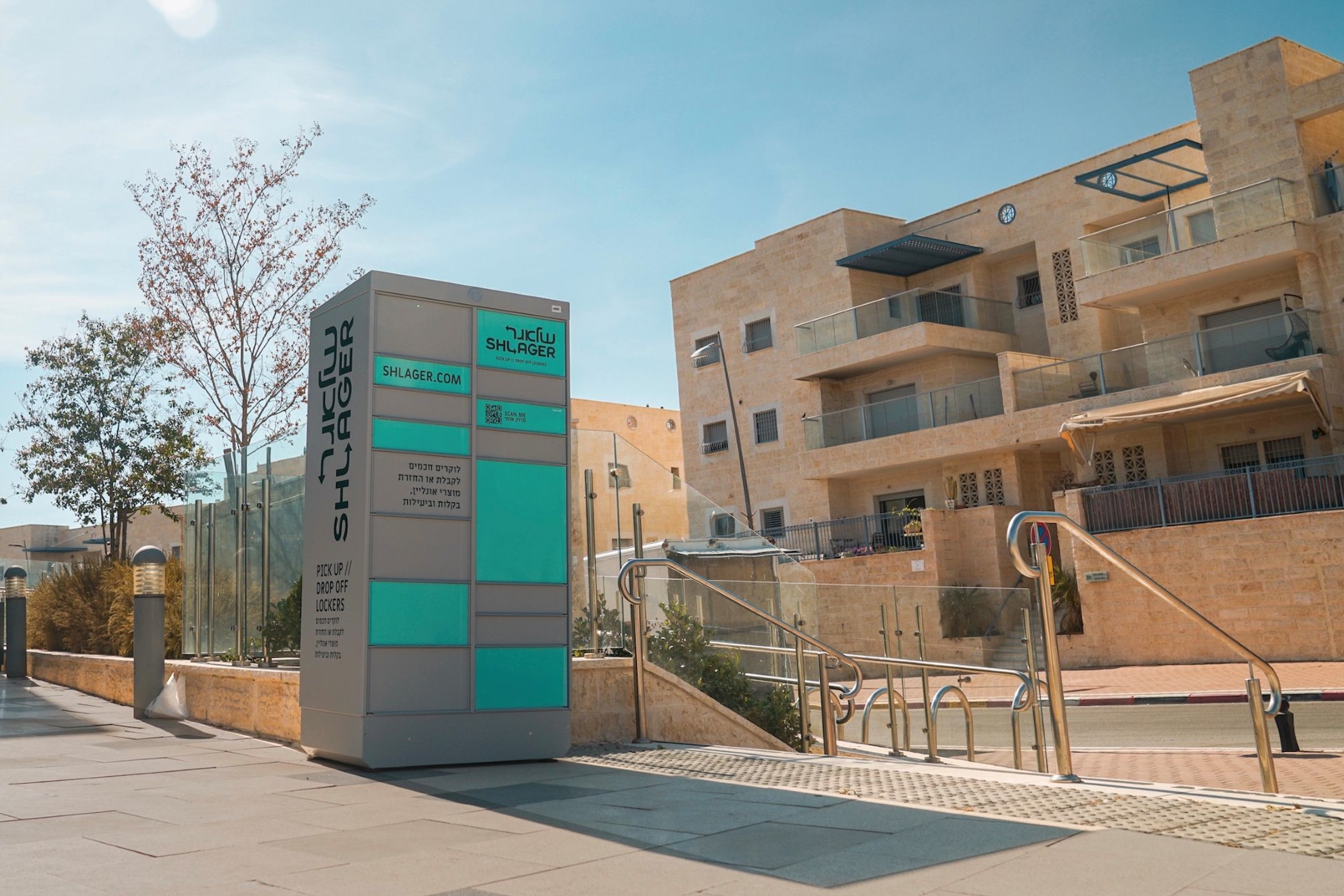
In the background of these changes, logistics has undergone a quiet transformation. Parcel locker networks have grown dynamically not only in the largest cities but also in smaller towns, becoming a natural element of everyday infrastructure. It is this discreet availability, the ability to pick up a shipment at a convenient moment without having to adapt to a courier’s schedule, that has influenced how customers define convenience in e-commerce today. As a result, last-mile automation has become one of the most important, though often unspoken, factors strengthening the entire online retail ecosystem.
In the past year, e-commerce has entered a stage of conscious development. Technology did not so much accelerate changes as stabilize them. Customers expected transparency, ecology, speed, and freedom, and sellers understood these needs better and better. As a result, a more mature, more balanced market has emerged, focused on real experience rather than just scaling sales. This is the foundation on which the industry will build its future.
Source: SwipBox Poland