









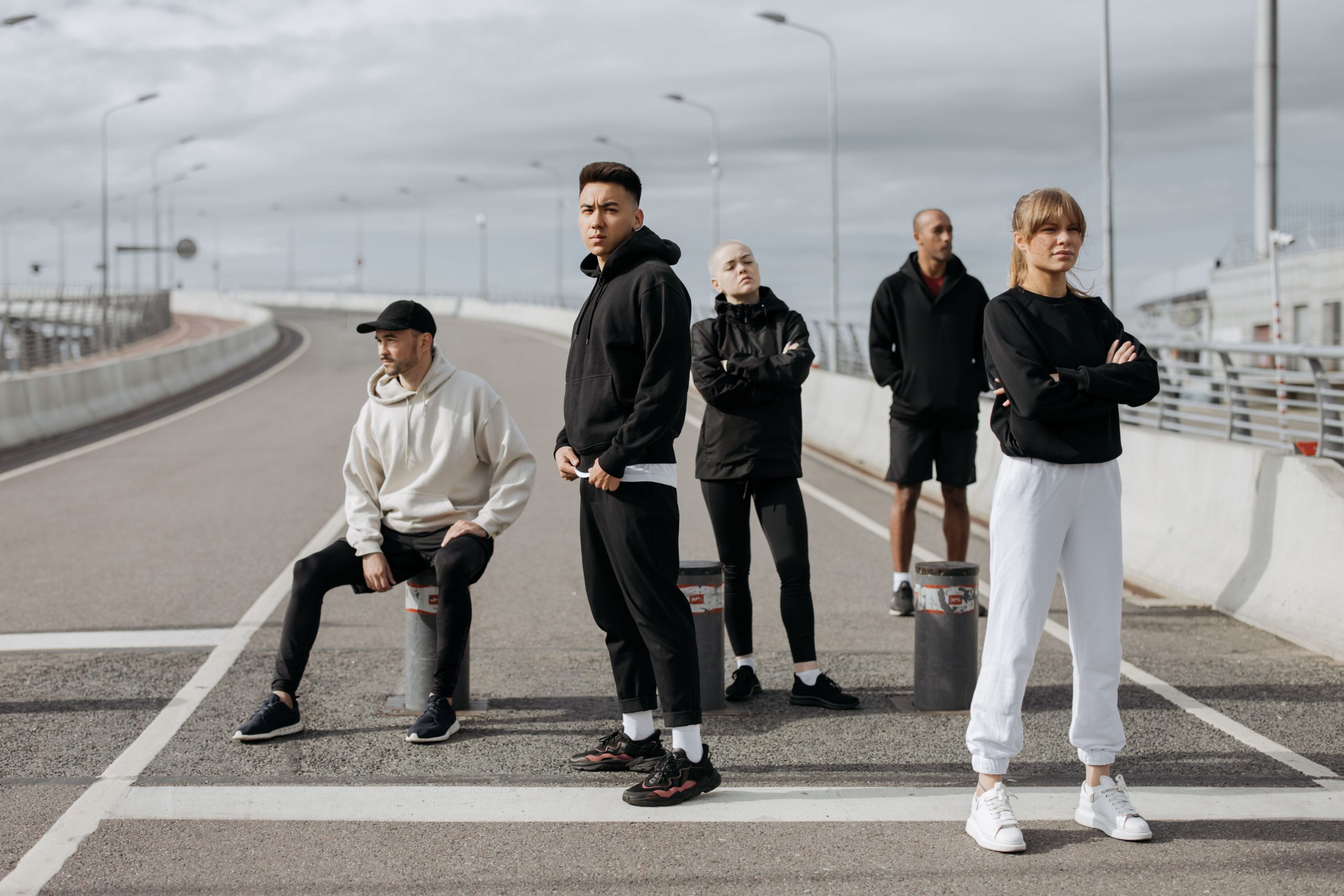
Custom printed sportswear allows you to mark team, club, or company outfits with a logo, player number, or club colors, while maintaining the comfort and durability needed for intense physical exertion. Before placing an order, it is worth knowing the basic differences between models, materials, and marking methods – these determine whether the outfit will perform well during training, a match, or a run.
What types of sportswear can be ordered with a print?
Most commonly, sports t-shirts, sweatshirts, shorts, tracksuits, jackets, and buffs are personalized, selected for a specific discipline and method of use. A technical t-shirt with a print works well for intense exertion thanks to its moisture-wicking material, a running t-shirt focuses on lightness, and a football jersey combines the club crest, number, and player name into one match kit. A cycling jersey is distinguished by its fitted cut, a fitness t-shirt by its elasticity, and sports sweatshirts and tracksuits most often serve as training or representative attire for players and coaches. A separate category is event clothing – t-shirts for race participants, volunteers, and event staff – as well as fan apparel, extending club identification beyond the players themselves.
Which material should you choose for printed sportswear?
Sports polyester is the basic material in training clothing because it dries quickly and works well with sublimation printing. The addition of elastane increases the fabric’s stretch and freedom of movement, which is important in cycling, running, and fitness. Technical knitwear and breathable materials support ventilation and reduce body overheating during long exertion, while microfiber works well in light, quick-drying clothing. When choosing a material, it is also worth paying attention to the grammage – a lighter fabric will work well in summer and over short distances, while a heavier one will provide more warmth during colder training sessions.
Which printing technology works best on sportswear?
Sublimation is the most frequently chosen method for marking polyester sportswear because the dye penetrates the fiber structure and does not crack or fade even after many washes. Full-surface sublimation additionally allows for printing on almost the entire surface of the outfit before sewing, which enables the realization of complex, multi-colored full-print designs. DTF printing works well for smaller quantities and various materials, screen printing remains cost-effective for larger series, and computer embroidery is used mainly on sweatshirts, jackets, and thicker representative clothing. Player numbers and names are most often made using the flex or flock heat transfer method, and reflective printing increases the safety of runners and cyclists training after dark.
How to personalize a team or club outfit?
Personalization of sportswear most often includes the club logo, team name, team colors, player number, and name. A club logo placed on the chest, sleeve, or back builds a coherent visual identity, and a consistent palette of team colors makes the outfit recognizable at first glance. A player number facilitates identification during a match, and a name on the back of the jersey adds an individual character to every outfit in the team. A sponsor’s logo placed on the front or shorts increases its visibility during training, competitions, and media coverage of the event.
What does the process of ordering printed sportswear look like?
Ordering personalized sportswear begins with preparing a graphic design and collecting the sizes of the entire team. It is best to prepare logo files in vector format, which guarantees the sharpness of the print regardless of its size on the outfit. The next step is a visualization of the clothing, which shows the placement of the logo, numbers, and colors before production starts, and sizes should be selected based on the size chart of the specific model, not general labels. For larger bulk orders, it is good practice to order a pre-production sample, which allows you to evaluate the actual color and quality of the material before the entire batch is produced.
What should you pay attention to in order to avoid errors in the order?
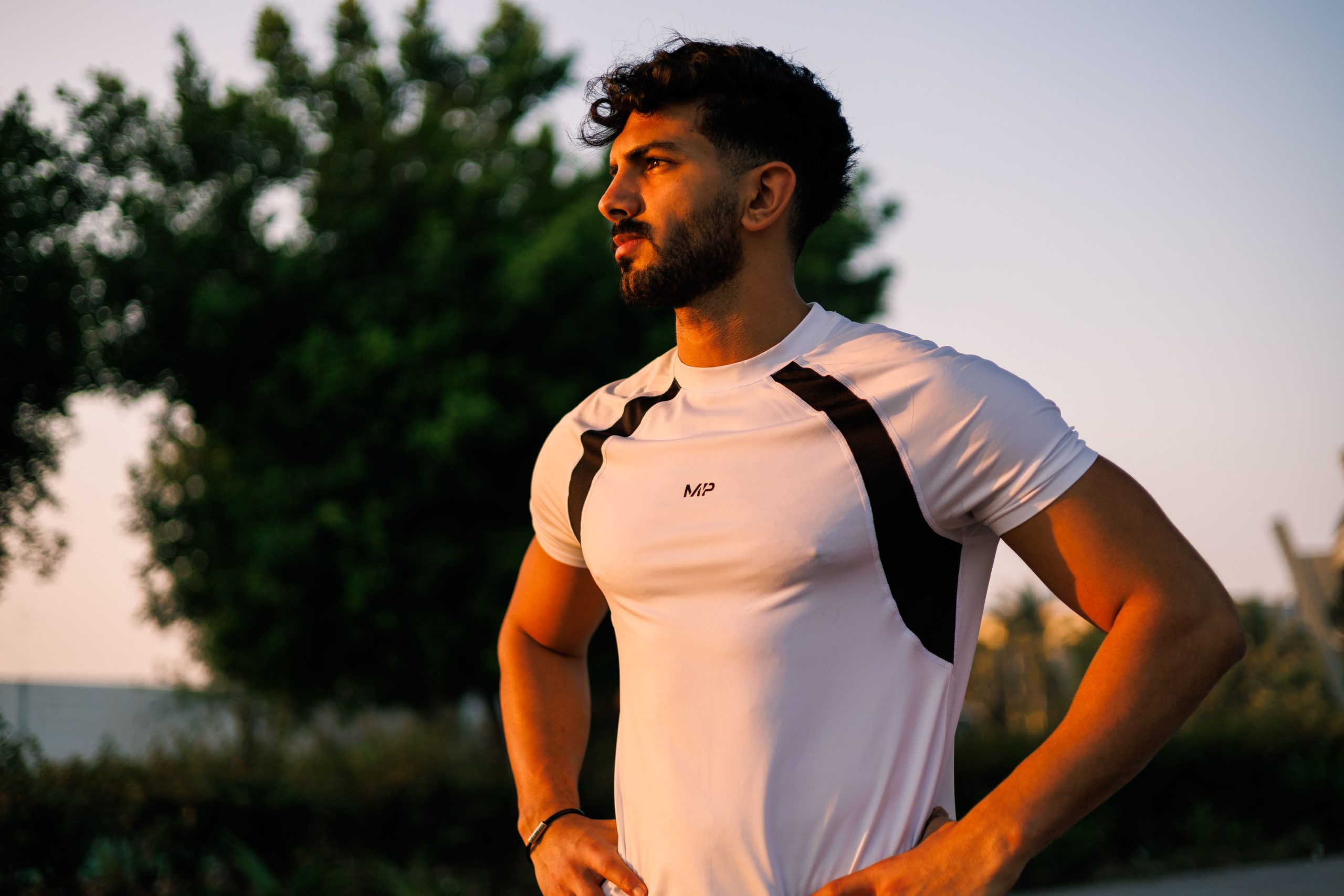
The most common problems when ordering sportswear result from a mismatch between the printing technology and the material, and low-quality graphic files. An improperly selected marking method leads to a non-durable print that cracks or fades after a few washes, and a size that is too small or poor readability of the number limits comfort and hinders player identification on the pitch. Color discrepancies between the design and the finished product are easiest to eliminate by checking a sample before producing the entire series, and unsuccessful bulk orders can be avoided by consulting the sizing with the dimension table of the specific model.
How to care for printed sportswear so that it lasts longer?
The durability of the print and material depends primarily on proper care of the sportswear. Washing at a moderate temperature, avoiding aggressive detergents and tumble dryers, and ironing while avoiding the marked surfaces allow you to keep the colors and fabric structure for longer. Clothing made of materials with good resistance to abrasion and washing requires replacement less often, which is important both for the club’s budget and for the approach to sustainable sportswear.
Where to order printed sportswear?
It is most convenient to order printed sportswear from a proven Polish manufacturer that will provide a full online quote and support with the graphic design. In the Feelgood.pl offer, you will find printed sportswear – t-shirts, sweatshirts, shorts, tracksuits, and buffs with your own print, available in sublimation, DTF, and embroidery technology, along with a free design visualization before production starts. An order for the entire team – from a football kit to a running outfit – can be priced and placed online, without waiting for an individual offer.
FAQ
1. Which printing technology is the most durable on sportswear?
Sublimation and computer embroidery are considered the most durable marking methods – sublimation does not crack or fade on polyester materials, and embroidery works well on thicker clothing, such as sweatshirts and jackets.
2. Does printed sportswear have to be made of polyester?
It does not have to be, but polyester is the material most often chosen for training clothing due to its quick drying and good compatibility with sublimation printing.
3. How to choose the size of sportswear for the entire team?
It is best to rely on the official size chart of the specific model, and for a larger order, it is worth additionally checking a pre-production sample.
4. Can a sponsor’s logo be placed on the outfit next to the club logo?
Yes, the sponsor’s logo is most often placed on the front of the jersey or on the shorts so that it does not conflict with the club crest and remains legible.
5. How long does it take to fulfill an order for printed sportswear?
The lead time depends on the selected marking technology and the size of the order, which is why for outfits for a specific event, it is worth planning the order well in advance.