










At the beginning of July, new regulations concerning shipments from outside the EU came into effect, changing the rules for calculating fees for cross-border purchases. According to a study commissioned by ID Logistics, these new regulations may impact not only consumer behavior but also the logistics strategies of international sellers. An increasing number of buyers are declaring a preference for deliveries fulfilled from warehouses located in Poland and other EU countries.
The first days of the new regulations show that their effects may extend beyond just the increase in costs for non-EU purchases. In the opinion of consumers, these changes have the potential to transform how deliveries are organized and where the logistics infrastructure serving the European e-commerce market is located.
New regulations may accelerate the relocation of logistics to Europe
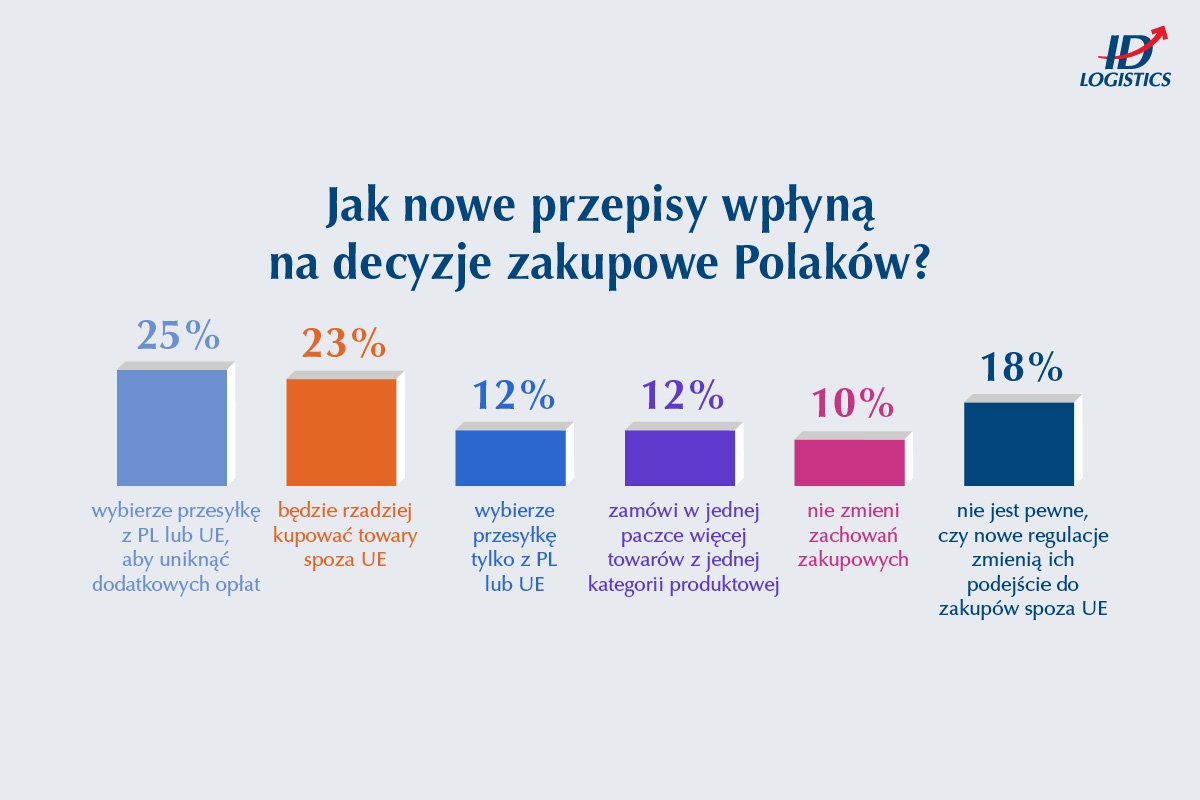
The study indicates that the rise in costs for non-EU shipments may affect not only consumer purchasing decisions but also the operational strategies of e-commerce companies. The most frequently declared reaction among respondents is a more frequent choice of shipments fulfilled from warehouses located in Poland or other EU countries (25 percent) to avoid additional customs fees. Not many fewer (23 percent) announce they will limit purchases of products shipped from outside the European Union.
In total, 37 percent of those surveyed declare a shift in their preferences toward purchases fulfilled from warehouses located in Poland or within the EU, and 12 percent indicate they would choose only such delivery methods. The same percentage also declares a desire to reduce costs by combining more of the same products into a single shipment. For international sellers, this may be another signal advocating for the development of logistics infrastructure within Europe. In a situation where consumers place increasing importance on price and delivery terms, locating warehouses closer to the end recipient may become one of the key elements of competitive advantage. The first days after the new regulations came into effect show that the biggest challenge today is not the fees themselves, but how they are communicated. Many consumers only notice the additional costs at the final stage of placing an order and do not always understand where they come from. In such a situation, the importance of transparent information and properly planned logistics grows.
More and more customers are starting to consciously choose offers fulfilled from warehouses in Poland or other EU countries, as this allows them to avoid unforeseen surcharges and ensures greater predictability of the entire purchasing process. For the industry, this is a clear signal that the location of logistics facilities and the transparency of communication are becoming just as important an element of competitive advantage as price or delivery time – says Marek Kaniera, E-commerce Operations Director at ID Logistics.
Transparency is most important for the consumer
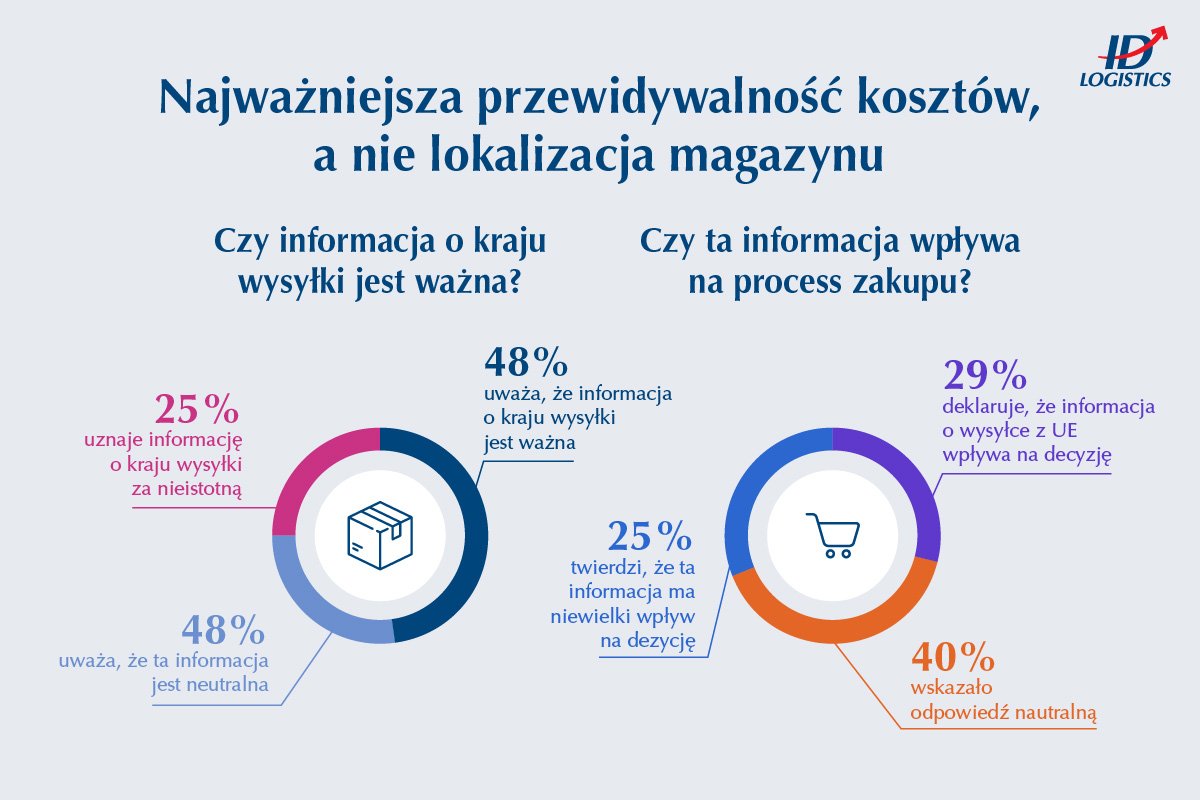
However, this does not mean that the choice of a store is determined solely by the warehouse location today. The study shows that cost predictability and transparency of the purchasing process remain equally important. For buyers, the availability of information is more significant than the country from which the shipment is sent. While data on the country of shipment is important to nearly half of the respondents (48 percent), the declared attention paid to this element reaches 41 percent.
The information that a shipment is sent from a European Union country has an even weaker impact on purchasing decisions. In this case, the positive response rate is 29 percent, with an almost equally high level of negative ratings (31 percent) and as many as 40 percent neutral responses. The results suggest that consumers do not treat the warehouse location as a decisive factor for purchase. They care much more about the predictability of the entire process and a clear presentation of costs and delivery terms.
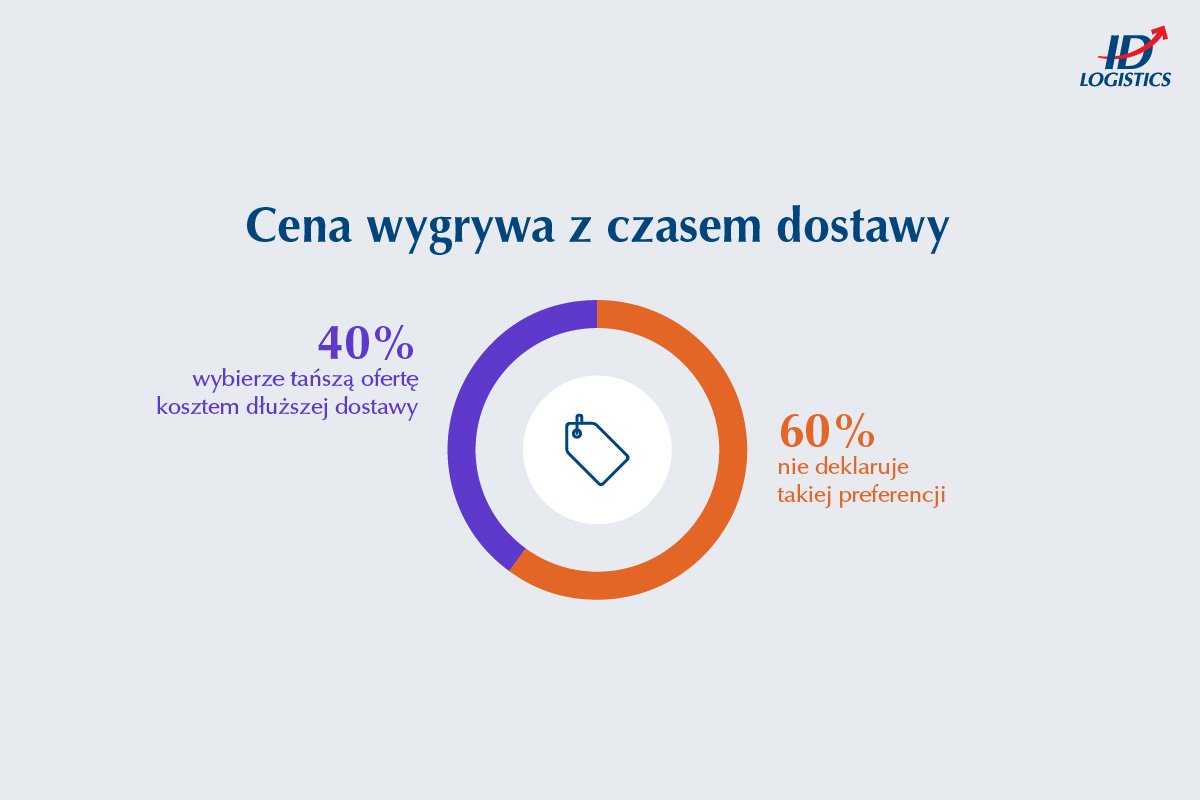
Poles buying outside the EU are primarily guided by price – 90 percent of respondents point to this, and six out of ten declare a willingness to choose a cheaper offer even at the cost of a longer delivery time. This means that for consumers, control over the total cost of purchase remains key, not the location of the shipment itself. Although consumers expect greater cost transparency, this does not mean a complete rejection of the regulations themselves.
Reluctance to pay fees does not exclude understanding for the changes
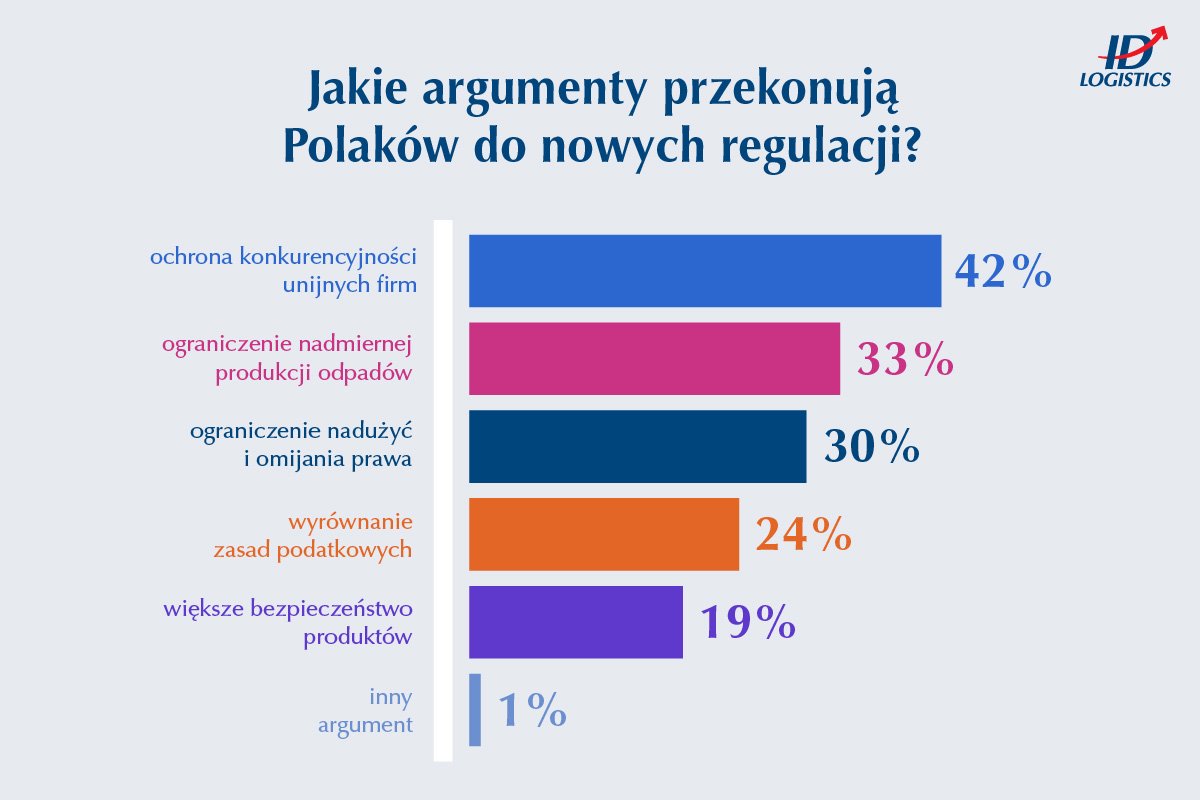
Although the new customs regulations were met with great skepticism by consumers, the study shows that Poles recognize the arguments behind their introduction. The most frequently indicated justification for the new regulations is the protection of the competitiveness of EU companies – this argument convinces 42 percent of respondents. It is shared particularly often by people aged 65–69 (52 percent), while in the youngest group surveyed (18–24 years old), this percentage is 31 percent.
The second most frequently indicated reason is the need to limit excessive waste production (33 percent). This argument appeals more to women than men (40 percent vs. 27 percent) and to younger consumers. In the 18–24 age group, 40 percent of respondents indicated it, and among those aged 25–34, it was 42 percent.
The results show that consumers are able to accept some of the arguments behind the regulatory changes. At the same time, they expect clear information about what consequences the new regulations mean for their purchases and order costs.
Predictability wins
For the e-commerce industry, the new regulations mean the need for even greater attention to communication transparency. Consumers expect clear information about costs, rules, and any potential surcharges. In practice, this means that competitive advantage can now be built not only by price or delivery speed, but also by transparent communication of purchase terms and ensuring predictable costs through properly organized logistics operations.
About the study:
The study was conducted by K+ Research on behalf of ID Logistics in April 2026 using the CAWI method on a sample of 1,039 Poles who had ordered products from outside the European Union for private use within the last 12 months.