










According to the latest study commissioned by ID Logistics, the upcoming EU customs reform for shipments under 150 euros will collide with the high price sensitivity of Poles and a low awareness of the new regulations. As many as 51% of Polish consumers shopping outside the EU have not heard about the new customs rules that will come into effect on July 1, 2026. At the same time, for 35% of respondents, the mere appearance of any additional fee is a barrier that will lead them to abandon the transaction. For the market, this is a clear signal to change operational strategies.
The customs regulation reform announced for July will affect a wide range of Polish e-consumers. Although the goal of EU policymakers is, among other things, to level the playing field in the e-commerce market, consumers evaluate these changes primarily through the prism of their own wallets. The study conducted by K+Research for ID Logistics points to a deep information gap – only one-fifth of respondents declare current knowledge about the upcoming regulations and their reasons.
Low awareness and resistance to additional costs
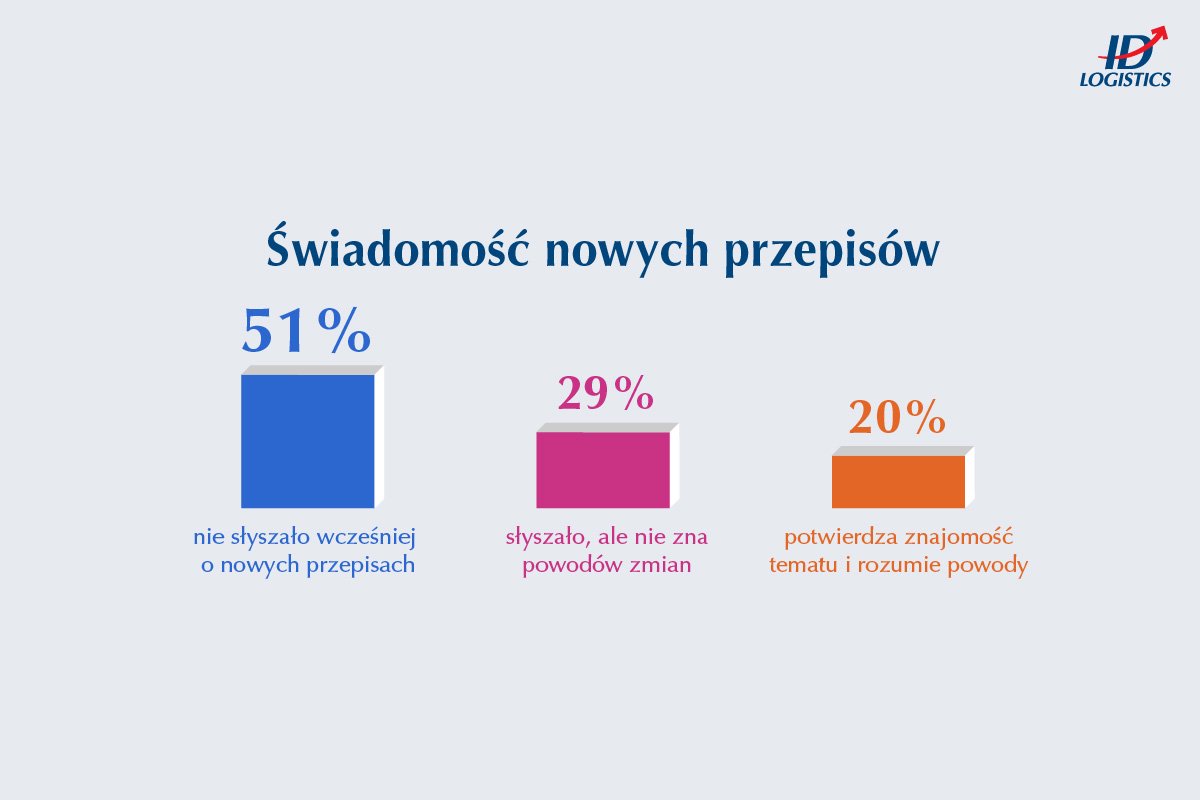
More than half of the respondents (51%) had not heard at all about the planned fees for non-EU shipments worth less than 150 euros before participating in the study. Another 29% of respondents declare that they have encountered this information but do not know the reasons for the introduced modifications, and only 20% confirm full knowledge of the topic and understand the intentions behind the new regulations.
Among those declaring knowledge of the European Union’s motivations, the most common belief was an attempt to limit the influx of cheap goods (29%) and to seal the customs and tax system (25%). Respondents also linked the new regulations to market protection and local producers (23%) and curbing unfair competition (22%).
However, the introduction of a fixed customs fee of 3 euros for each product category is met with a clearly negative reception – as many as 68% of respondents consider this move unnecessary, with more than half (55%) assessing the decision as extremely negative. This attitude is most visible in the 55–64 age group, where the percentage of negative ratings reaches 75% (this is the second largest group ordering from Asia with a result of 90%, second only to people aged 65–69 – 94%).
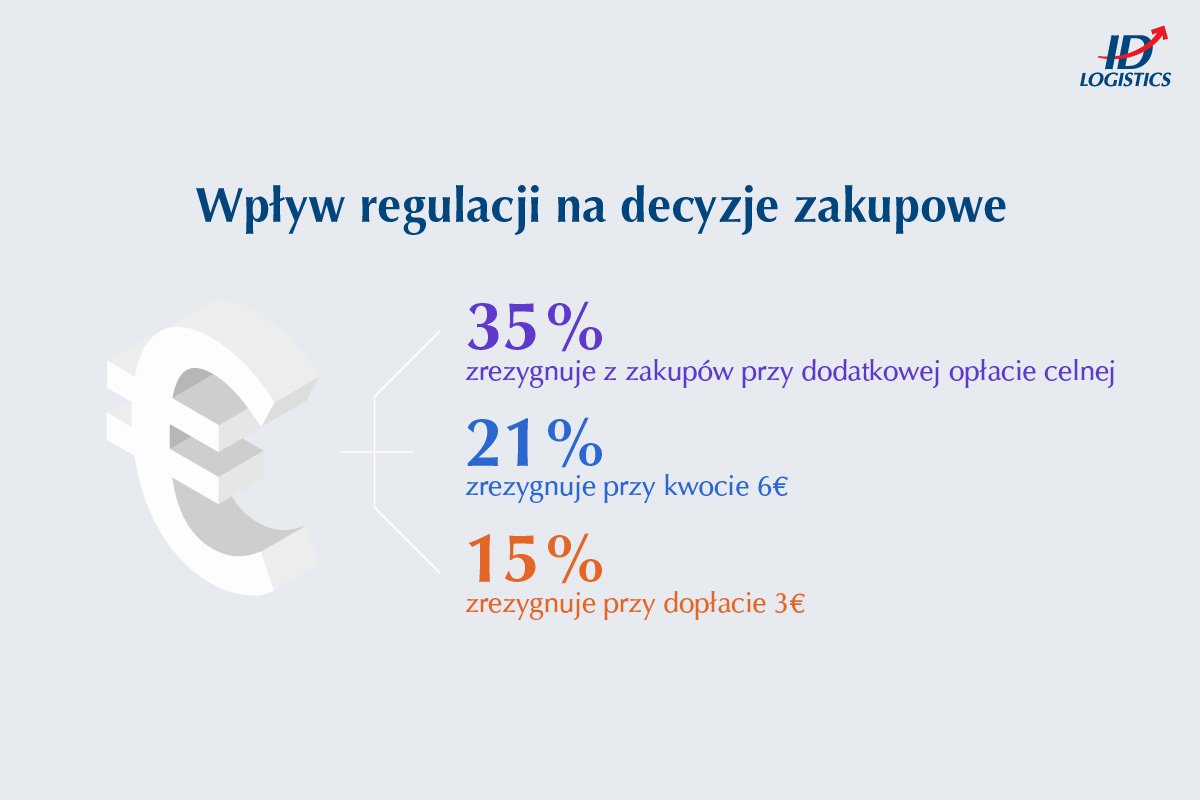
Polish consumers also show very high price sensitivity. For 35% of respondents, the mere appearance of an additional customs fee is a reason to abandon the purchase (in the 55-64 age group, it is as much as 43%). Another 15% would give up with a surcharge of 3 euros, and 21% at an amount of about 6 euros.
Potential for European warehouses
Interestingly, Poles show great patience in waiting for orders, provided they guarantee savings. As many as 60% of respondents choose the lowest price without hesitation at the expense of a longer delivery time (7–14 days). This attitude is slightly more common among men (63% vs. 57% of women). Only 6% of respondents would decide to pay extra for express delivery of a product from Poland in 1–2 days.
This dominance of the logic of saving over convenience means that new customs tariffs may fundamentally reshape existing strategies in cross-border trade. The increase in costs for shipments sent directly from third markets does not necessarily mean a complete extinction of demand, but rather a change in the operational model of suppliers and purchasing behaviors.
The results of the study clearly indicate that the Polish consumer is focused on cost optimization. In total, as many as 37% of respondents declare that their preferences will shift towards purchases made from warehouses located in Poland or within the EU, of which 12% will choose only this form of delivery. For global players, including rapidly developing Asian platforms, this is a clear signal that the key to retaining the European customer will be the evolution of the supply chain, and moving logistics operations and distribution centers to Europe will allow bypassing customs barriers and guaranteeing consumers the cost predictability they expect.
In response to the new regulations and the desire to limit their financial impact on themselves and their customers, Asian e-commerce players are radically changing their logistics organization, increasingly developing logistics facilities in Europe. Instead of making deliveries directly from Asia, they are investing in large distribution centers serving both their own sales and external sellers. Such a model requires significant investment and new organization, but it will allow for partially limiting the impact of new customs duties, as well as operational costs. Facilities of this type, often counting hundreds of thousands of square meters of space, are highly automated and use modern solutions, such as autonomous mobile robots (AMR). It is also worth noting that many of them are located or will be opened in Poland, especially in its western part. This is determined not only by the favorable geographical location, developed infrastructure, and cost-effectiveness, but above all by the agility of the Polish market.
– says Yann Belgy, CEO of ID Logistics.
How to effectively communicate changes?
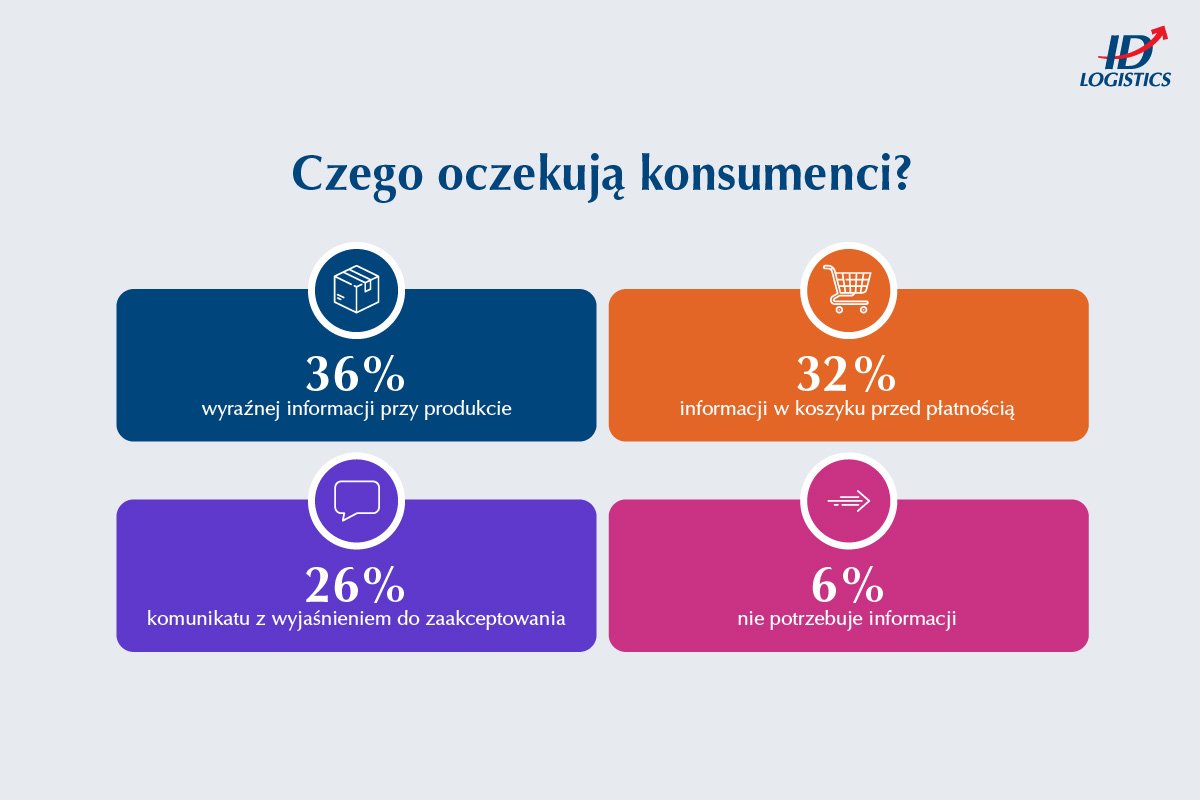
From the perspective of retail and e-commerce platforms, transparency becomes a key challenge. Respondents expect stores to inform about new rules and potential surcharges at a very early stage of the shopping path. The most indications were received by presenting such information directly on the product page (36%) and in the cart before the final checkout (32%). Only 6% of consumers believe that additional communication is not needed and the final price is sufficient.
About the Study
The study was conducted by K+ Research commissioned by ID Logistics in April 2026 using the CAWI method on a sample of 1049 Poles who ordered products from outside the European Union for private use in the last 12 months.
Source: ID Logistics Group