









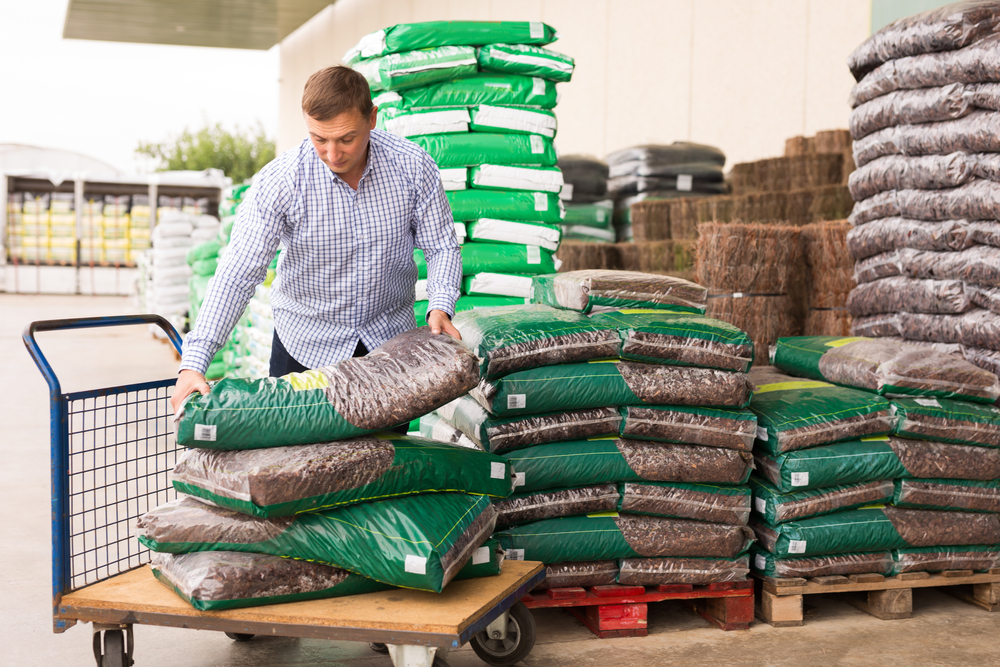
Spilled goods in the warehouse, packaging damage during transport and loading, and the resulting losses are problems faced by many distributors of bulk materials. This is particularly noticeable with heavy, sharp (aggregates) or chemically aggressive (salt, fertilizers) loads. That is why properly selected industrial plastic bags that actually protect the goods are so important. Find out how to choose them.
Why do bags burst? The most common problems when packing heavy materials
Bags bursting during packing may suggest machine errors. Poorly selected parameters mean that industrial bags cannot cope with what is inside them. What exactly could be the cause?
1. Sharp edges of aggregates vs. low puncture resistance of the film
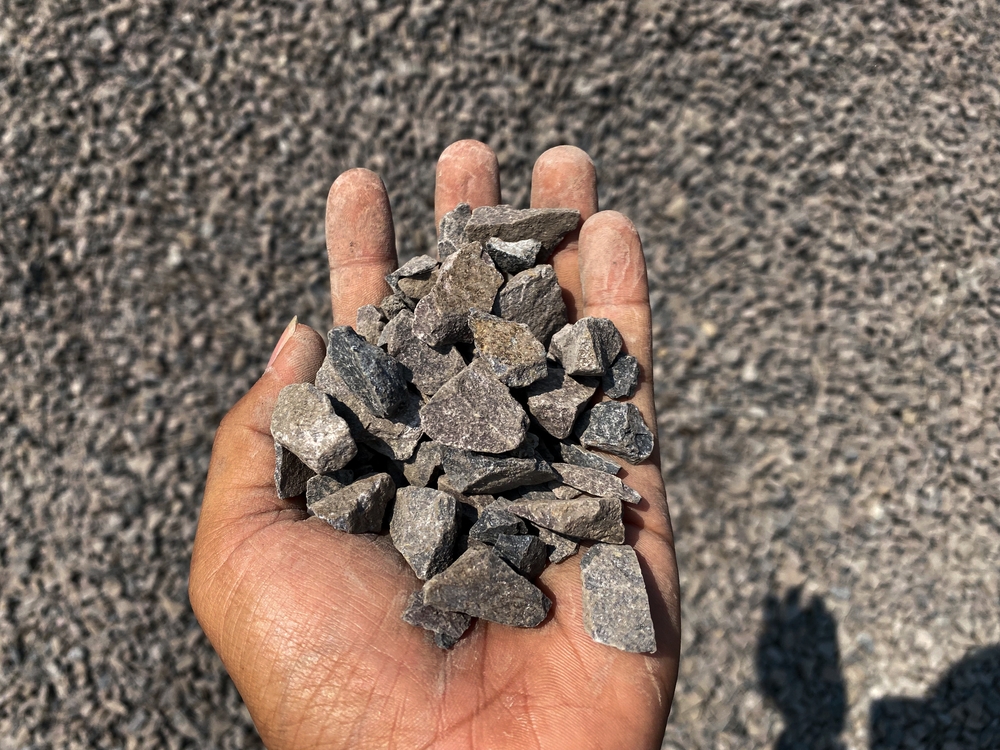
Gravel, grit, crushed stone, or coal have sharp edges that exert point pressure on the packaging during packing, transport, or storage. If bags for aggregates have low puncture resistance, damage is only a matter of time. Importantly, choosing a thicker film often does not solve the problem. The film must be sufficiently flexible. If it is too rigid, it breaks immediately under excessive point load because it does not “work” with the material.
2. Weak seals as a cause of damage
Frequent ruptures of packaging for fertilizers, substrates, or aggregates – usually occurring in the bottom section or on side seals – are most often caused by insufficient heat seal strength. In the process of mechanized packing (confectioning), the rapid filling of several dozen kilograms of raw material generates massive dynamic loads. It is at this critical moment that the seals are subjected to an extreme strength test. For this reason, the key factor guaranteeing the tightness and safety of the product is the use of advanced sealing technologies and precise quality control of the production process.
3. Impact of weather conditions and chemicals
Industrial bags are stored in various conditions. They can lie in the sun, frost, or moisture for weeks. Improper material can then degrade. In addition, the contents are often chemically aggressive – for example, road salt or fertilizers. That is why high-class industrial plastic bags are produced with additives (e.g., UV stabilizers) and from materials resistant to chemical agents. Thanks to this, the bag does not lose its properties under the influence of adverse factors.
The most important parameters of industrial film – how to choose a bag for special tasks?
If you are ordering industrial plastic bags, it is worth knowing what to look for. Proper bags can reduce losses resulting from spilled material or customer returns, which is why they are an investment. Which parameters of industrial bags are the most important and what should you ask the seller?
1. Appropriate thickness and flexibility of the material
Industrial bags are most often made of polyethylene – a material that provides optimal flexibility and strength. High-quality polyethylene does not break under point load and adapts to the shape of the contents. Thanks to this, the film does not have to be very thick to protect effectively.
It is worth asking the seller what type of products and what loads the given bags are adapted to.
2. Types of seals vs. strength on the filling line
In the case of heavy contents and automatic packing, the requirements for seals are higher. Therefore, bags for soil, fertilizers, or aggregates should have:
- a wide or double bottom seal,
- reinforced side seals.
The quality of the connections is also determined by properly selected temperature and sealing technology. So ask the manufacturer or seller about the technologies used and how they translate into the functional properties of the bags.
3. Slip and antistatic properties
Film that generates static electricity can paralyze the feeder. A bag that “sticks” to others blocks automatic feeding. This, in turn, is the reason for frequent downtime, loss of efficiency, and financial losses.
Good industrial bags have slip and antistatic additives, thanks to which the line runs smoothly, without interrupting production. If you are looking for bags for machine packing, the seller should ask about the technologies used and help you choose the right products and enable tests on the line.
Hidden costs of cheap packaging – why is it not worth saving on quality?
Optimization is finding a balance between quality and price. What is most expensive is not always the best, but saving on quality does not pay off either.
Cheap bags are usually produced “for quantity” – therefore they are rarely durable. By choosing the cheapest solution, you usually have to reckon with thinner film and weaker, carelessly made seals, and this translates into:
- the need for double bagging,
- losses of spilled raw material,
- additional time spent on cleaning and repacking,
- complaints from customers due to packaging damage in transport,
- downtime on packing lines,
- damaged customer trust and “scratches” on the image.
Cheap industrial plastic bags usually generate much higher costs in the final analysis than solid, well-designed packaging.
A good supplier = industrial bags tailored to your needs
Not every manufacturer of plastic products understands the needs of their customers. Not everyone knows that bags for aggregates with sharp edges often have to be different from bags for fertilizers. That is why it is worth looking for a supplier who:
- does not offer universal “off-the-shelf” products, but selects film parameters for a specific raw material,
- enables tests on your production line,
- helps optimize packing costs while maintaining the necessary strength and quality,
- offers additional possibilities – e.g., personalization (prints on bags).
Are the bags used in your company unable to cope with the weight of aggregates? Are you tired of packing errors and customer complaints? Contact an experienced manufacturer (e.g., Colormark, which offers professional industrial plastic bags: https://www.colormark.pl/opakowania-foliowe/worki-foliowe/) who understands the realities of working with demanding materials and will select industrial bags corresponding to the specifications of the goods packed in them and the confectioning technology.