









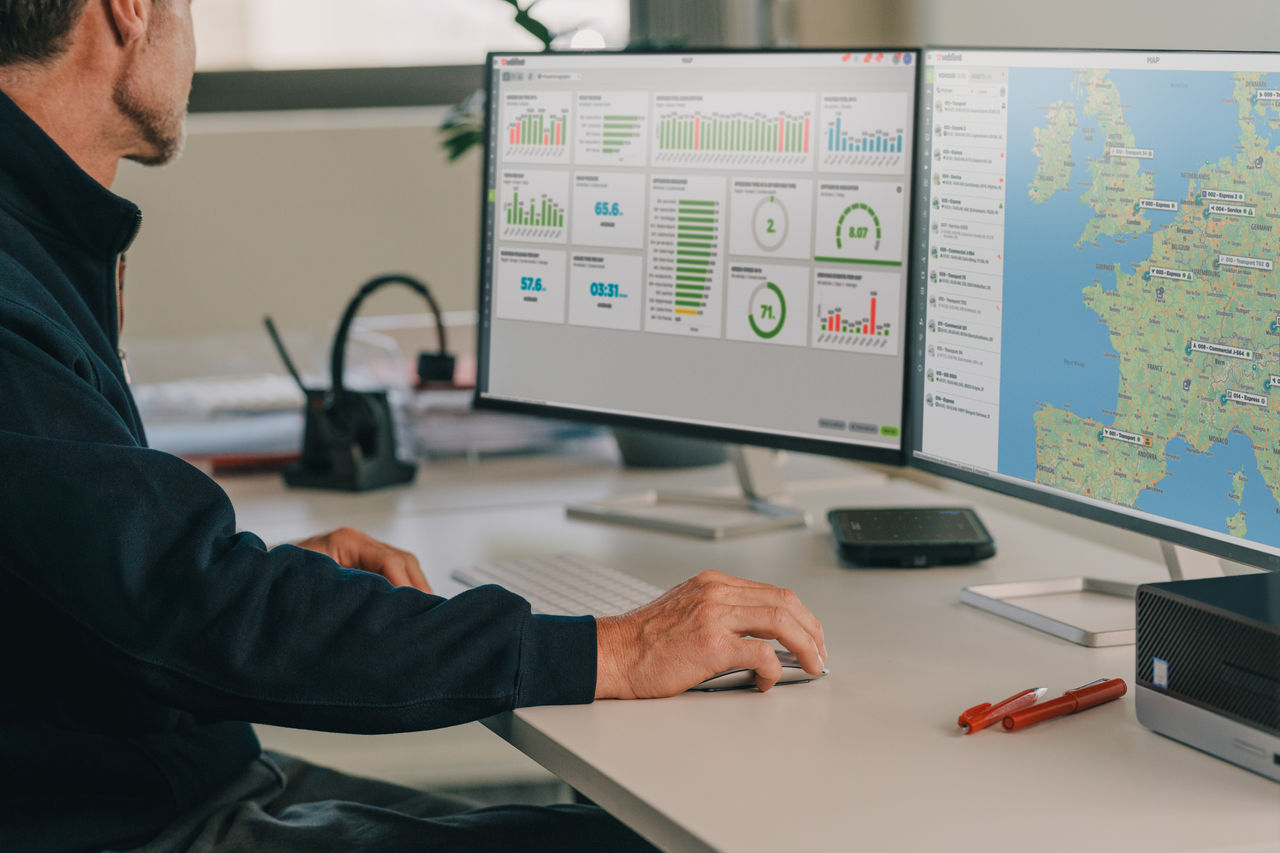
High fuel prices worldwide are once again putting pressure on fleet operators. However, according to Webfleet, Bridgestone’s advanced fleet management solution, companies can significantly reduce this impact by eliminating unnecessary fuel waste.
Webfleet points out that even small improvements in fuel efficiency can contribute to lowering operating costs. As shown by the experiences of Webfleet customers, data-driven analysis can be used to reduce fuel consumption by improving driving style, optimizing routes, and more proactively managing vehicle and tire maintenance, including tire pressure and engine idling.
Real-life examples show what savings can be achieved:
- By using the Webfleet solution to improve driving standards, Sanctuary Maintenance reduced fuel consumption by 25% within two months. By using data to demonstrate the link between driving style and fuel consumption, the construction and maintenance service provider was able to increase driver awareness of the impact of vehicle usage on costs, leading to quick and measurable savings.
- Coviran, a European grocery retail cooperative, saved over 159,000 liters of diesel in a year by improving driving style and implementing a professional navigation system. This approach helped drivers choose more efficient routes while ensuring a more consistent driving style during daily deliveries.
- For WGM, a British engineering and utility services company, reducing engine idling time was a priority. After 12 months of using Webfleet’s OptiDrive 360 solution, WGM reduced engine idling time by three minutes per day per vehicle and eliminated other inefficient driver habits. All these changes contributed to a 22% reduction in fuel consumption.
Fuel prices are beyond a fleet’s control, but fuel economy is not. Periods of volatility often reveal existing shortcomings. The best-performing fleets are those that understand where fuel waste occurs, allowing them to take informed actions to improve results.
– said Jan-Maarten de Vries, President Fleet Management Solutions at Bridgestone.
According to the 2024 Fleet Digitization Report, more than half of fleet managers cite reducing operating costs and improving efficiency as their top priority, with fuel being one of the largest cost items. Many fleets still have the opportunity to reduce fuel consumption in daily operations.
According to Webfleet, excessive engine idling, suboptimal routes, and improper driving style can increase fuel consumption, especially in urban traffic and during multi-stop deliveries. These inefficient practices often have a much greater and more constant impact on a fleet’s bottom line than fuel price fluctuations. With better visibility, fleet managers can detect inefficient practices faster and take action before costs rise.
Fuel efficiency is crucial for optimizing Total Cost of Ownership (TCO). Fleets that integrate fuel management into their daily operations are better prepared for price fluctuations and more effectively keep costs under control.
– said Jan-Maarten de Vries.
Source: Webfleet