









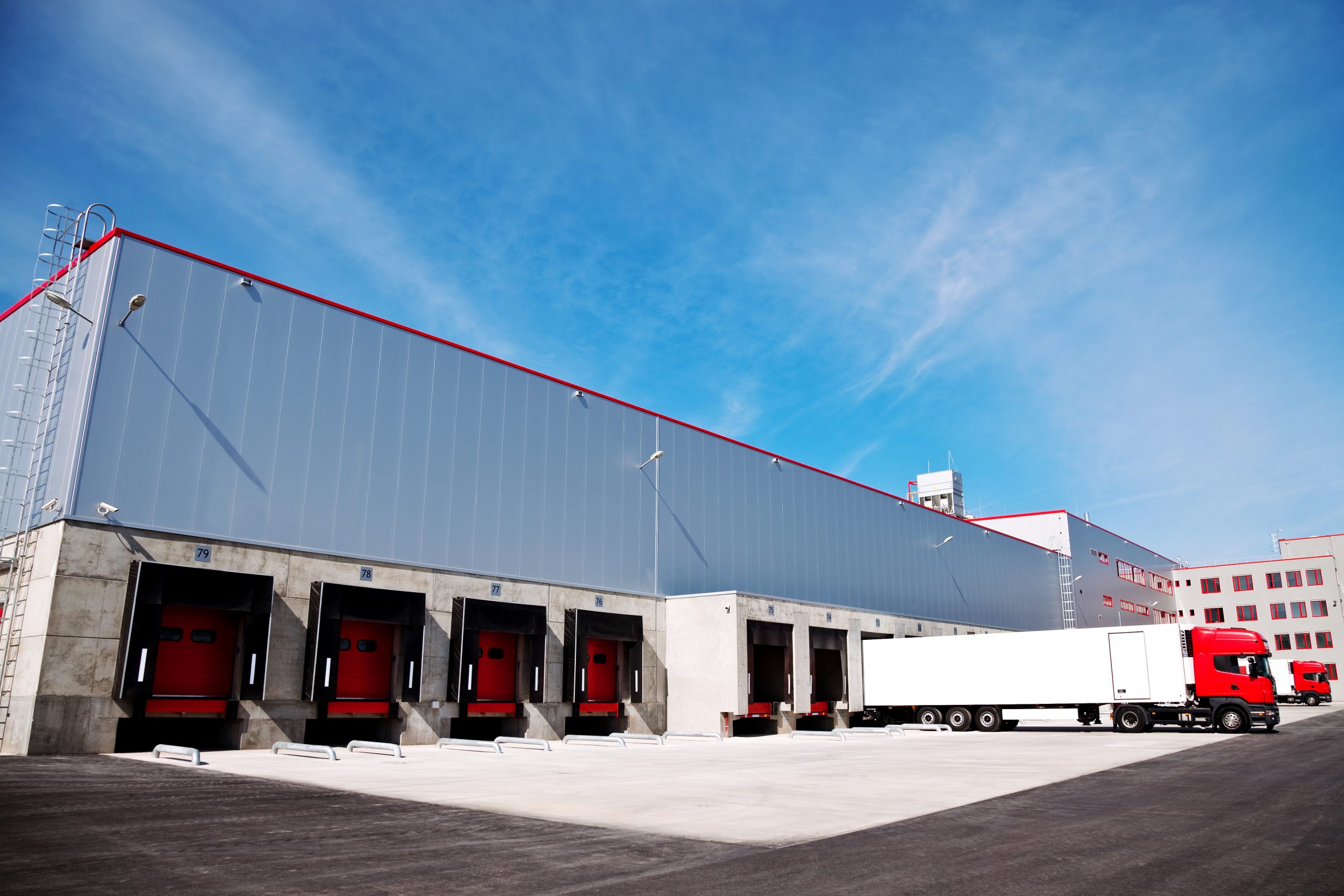
The warehouse investment market has gained momentum, accounting for 44% of the total investment volume. Transactions for prime office properties were executed in Warsaw and Krakow, while the majority of sold office buildings were located in regional markets. In the retail sector, an impressive portfolio of shopping centers was sold, while interest in retail parks remained strong. Furthermore, we recorded two forward funding transactions in the residential sector, as well as the sale of two hotels.
Warehouse sector in numbers:
- 447 million euros – total investment volume of the sector
- 2 portfolio transactions out of 9 completed in the sector
- Continued interest in “sale and leaseback” transactions
Warehouse real estate in Poland is attracting “core” capital, which remains most active in this specific market sector. Assets secured by long-term lease agreements continue to enjoy the greatest interest from investors. Investors are looking for stable and predictable cash flows, including “sale and leaseback” transactions, which remain the foundation of the market.
In Q1 2026, the warehouse sector recorded 9 transactions with a total value of 447 million euros, accounting for 44% of the total investment volume in Poland during that period. This was the best first-quarter result recorded since 2020. Two large transactions were executed by American capital, which acquired a large logistics portfolio from the Raben Group as part of a “sale and leaseback” transaction and also acquired Panattoni BSH in Rzeszów.
Price consensus between sellers and buyers is becoming increasingly common, which is reflected in the revival of investment activity in the sector, driven primarily by the inflow of foreign capital; an additional factor may be the anticipated change in the valuation of older warehouse facilities.
– comments Bartłomiej Krzyżak, Senior Director, Investment.
Poland continues to attract investors thanks to solid economic growth, a predictable legal framework, and a safe and liquid market. Western investors, especially from France, are showing great interest in the Polish market, and as a result, we expect an inflow of “core” capital, while domestic capital has become significantly more active over the last two years.
However, the persistent uncertainty related to the situation in the Middle East may affect the real estate market. Rising oil prices could trigger renewed inflationary pressure, which in turn could lead to pressure for interest rate hikes after a period of gradual declines over the last two years. The real estate market usually reacts more slowly than capital markets and exhibits a certain inertia, which is why a “wait and see” approach may be observed in the short term.
Source: Avison Young