









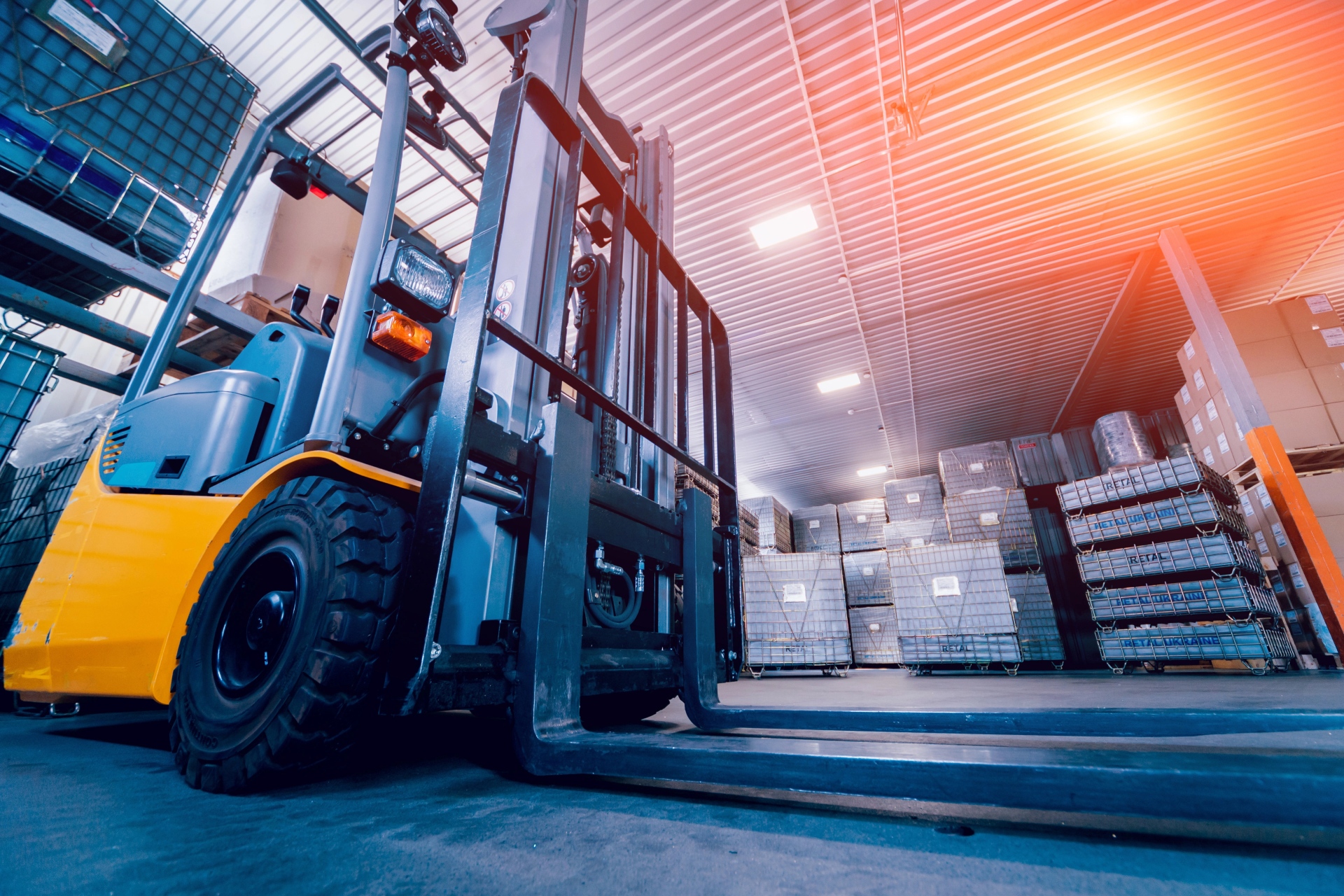
GASPOL, the leader of the liquid gas market in Poland, is expanding its offer for the logistics and industrial sector with bio-LPG in cylinders for powering forklifts. The new product, available since March, allows companies to use fuel with a significantly lower carbon footprint without the need to replace their fleet or upgrade infrastructure. The introduction of the cylinder version of bio-LPG for forklifts is the next stage in the development of GASPOL’s renewable fuel offer and expands access to low-emission solutions in the warehouse logistics and industry segment.
Bio-LPG, introduced to the Polish market by GASPOL in 2024, is a renewable substitute for conventional LPG, produced from organic raw materials, including plant waste, used cooking oils, and animal fats. This fuel is successfully used in various sectors of industry and services because, in terms of composition, physical and chemical properties, and operating parameters, it remains the same as traditional liquid gas. For forklift fleet users, this means full compatibility with currently operated vehicles and gas installations.
The introduction of the cylinder version of bio-LPG intended for forklifts is a response to the needs of companies that are required to reduce their carbon footprint and meet the requirements of contractors regarding decarbonization. Bio-LPG is characterized by a carbon footprint up to 90% lower compared to conventional LPG. This is due to the production process based on renewable raw materials.
Logistics and industrial companies today need solutions that allow them to realistically lower their carbon footprint without disrupting warehouse operations and without additional capital expenditure. Bio-LPG in cylinders for forklifts meets these needs, i.e., it enables emission reduction while maintaining full fleet efficiency. As the leader of the bio-LPG market in Poland, we provide customers not only with fuel availability but also with high quality and certified origin of raw materials. – says Donatella Squellerio, Director of Sales and Marketing at GASPOL.
Every delivery of bio-LPG from GASPOL is documented with certificates under the international ISCC system (PoS and SD), which ensures transparency of the origin of raw materials and supports the implementation of corporate environmental policies.
Bio-LPG – the same standard of work, smaller carbon footprint
In terms of physical and chemical properties, bio-LPG is identical to traditional LPG, which means full compliance with combustion parameters, power, and dynamics of forklift operation. The product allows operators to maintain full vehicle performance, even at low temperatures and in intensive shift cycles. Both fuels can also be mixed and used interchangeably in all existing LPG installations, systems, and engines – without the need to invest in new equipment.
Furthermore, bio-LPG is characterized by a carbon footprint up to 90% lower compared to conventional LPG, which results from the production process based on renewable raw materials. Thanks to this, companies can report a lower carbon footprint and include it in ESG strategies and reports on the impact of their activities on the climate.
Composite cylinders – ergonomics and safety
In parallel with the introduction of bio-LPG, GASPOL is expanding its offer with modern 11 kg composite cylinders intended for industrial applications, including in warehouses and distribution centers, where ergonomics and operator safety are of key importance.
Composite cylinders are made of glass fibers and polymers, making them lighter than steel ones. An empty cylinder weighs about 5 kilograms, which is almost half as much as a traditional one. This ensures easier handling and reduces the risk of injury during replacement. Transparent walls allow for ongoing monitoring of the gas level, minimizing the risk of unplanned downtime. The composite material is resistant to corrosion, extreme temperatures from minus 40 to plus 65 degrees Celsius, and the BLEVE phenomenon (a violent explosion of a pressure vessel caused by its sudden depressurization), ensuring a high level of safety and durability in demanding industrial conditions.
Comprehensive offer for logistics
Expanding the company’s offer with bio-LPG cylinders and composite cylinders creates a comprehensive proposal for logistics and industrial companies that plan to implement low-emission fuels into their daily operations without the need to incur costly investments in infrastructure modernization. The solution allows for maintaining full fleet efficiency while supporting the reduction of the carbon footprint and the realization of corporate climate goals.
Our goal is to provide solutions that realistically support the energy transition of Polish industry and logistics, combining operational efficiency with environmental responsibility. Bio-LPG and composite cylinders allow customers to use solutions that effectively respond to current market challenges. – emphasizes Donatella Squellerio, Director of Sales and Marketing at GASPOL.
Source: GASPOL