









Spring is an exceptionally busy time for the DIY industry. After the winter slowdown in shopping, sales begin to rise at a very fast pace due to the start of the gardening, renovation, and outdoor space arrangement season. Customers want to be well-prepared for the spring and summer period and stock up on necessary equipment. At the turn of February and March, demand for garden products—tools, plants, furniture, and decorations—increases. New trends, often originating from social media, drive sales of specific accessories or equipment parts. Responding to demand fluctuations is one of the main challenges that specialized retail chains face during this time.
In such a dynamic environment, seasonal logistics become a key element of competitive advantage. Effective management of inventory, distribution, and deliveries allows companies to respond to sudden spikes in demand. In today’s highly competitive landscape, the customer chooses the retailer that offers fast availability and product visibility, regardless of the circumstances. This is particularly important in the context of companies conducting both brick-and-mortar sales and e-commerce operations, which must flexibly respond to the diverse specifics of these distribution models.
Navigating the variable waves of seasonal demand
In the DIY industry, we observe very clear seasonal demand shifts—especially in the spring and summer periods. These trends directly affect the entire supply chain. During the season, demand can rise in a short time, which, with standard procedures, can lead to stock shortages or delays in order fulfillment. Market reports on seasonal logistics show that companies are increasingly investing in flexible solutions to cope with these fluctuations, including advanced demand forecasting systems and real-time inventory management tools. Flexible logistics allow for faster responses to sales spikes and minimize the risk of excessive inventory levels off-season. To this end, the foundation is demand and stocking planning, based on the analysis of data from previous years and accurate trend forecasting.
At DACHSER, we focus primarily on stability and predictability. As a global logistics operator, we strive to respond to the specifics of each market, taking into account changing trends, as well as weather fluctuations or climate change. Thanks to careful analysis, we are prepared for new challenges before they even arise. We use our many years of experience in the DIY industry and share this expertise with our partners, knowing that a good logistics operator is one you can trust.
– says Juliusz Pakuński, Business Development Manager Poland, DACHSER DIY Logistics.
The DIY industry is heavily influenced by the weather, which can significantly accelerate or delay the sales of specific product groups. A good example is inflatable toys and pool accessories. Their sales increase sharply when the first hot days begin. The calendar of public holidays also matters—for example, interest in grilling equipment grows before the May long weekend. Statistical models and forecasting systems help predict which product categories will be most desired, and consequently, how to prepare inventory and what quantities to order in advance. In this way, it is possible to avoid both shortages, which lead to lost sales and customer dissatisfaction, and excess inventory, which in turn generates high storage costs.
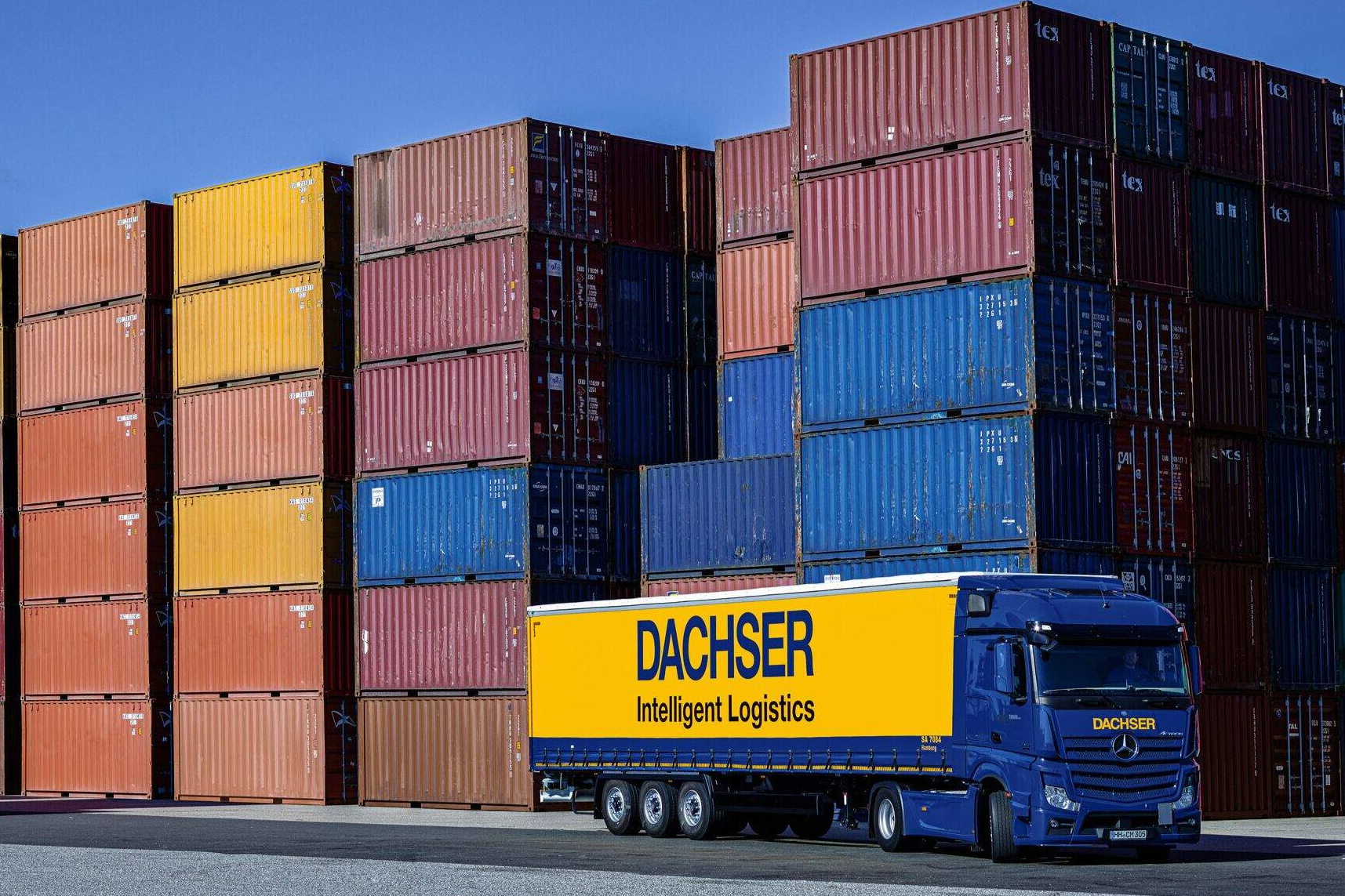
A significant portion of garden products is imported from Asia, so the logistics operator must plan sea transport in advance, taking into account when the Chinese New Year and other holidays in that region are celebrated. Knowledge of the market helps avoid delays resulting from order congestion and limited availability of containers or space on ships. In such situations, choosing a single, experienced operator allows companies to maintain supply stability, regardless of the circumstances.
Supply chain management as a guarantee of stability
Close, dialogue-based cooperation with domestic and foreign suppliers is crucial to ensure supply continuity and reduce logistics risks. Flexible contracts with transport partners, early booking of cargo space, and building partnerships with carriers allow for better planning of delivery dates, even during periods of peak load. Furthermore, the DIY industry is developing very dynamically—its value is estimated at tens of billions of dollars, and further growth is projected for the coming years, which shows the growing demand for flexible and advanced logistics solutions that meet the changing needs of customers.
Further growth of the DIY segment is projected for next year. Its importance is growing year by year, but the market remains in a state of imbalance. Therefore, retail chains and manufacturers must be prepared for demand fluctuations related not only to the seasons but also to global climate or geopolitical changes. Recent years have been associated with great uncertainty and have taught us to expect the unexpected. The current shape of the market requires a flexible approach from the logistics operator, as well as maintaining proper and open communication with customers and business partners.
– says Juliusz Pakuński.
In the spring season, companies often have to handle significantly larger volumes of products, which requires proper preparation of warehouse space and optimization of operational processes. The most commonly used measures by logistics operators are: expanding warehouse space, as well as implementing automatic sorting, picking, and packing systems. The Mikado WMS management system, developed by DACHSER, efficiently indicates the location of goods and sets order priorities, helping to complete orders at the right time. In this way, it is possible to maintain process fluidity and communicate efficiently with partners. Thanks to outsourcing services, a company in the gardening industry does not incur high storage costs, but only pays depending on sales.
Source: Dachser