









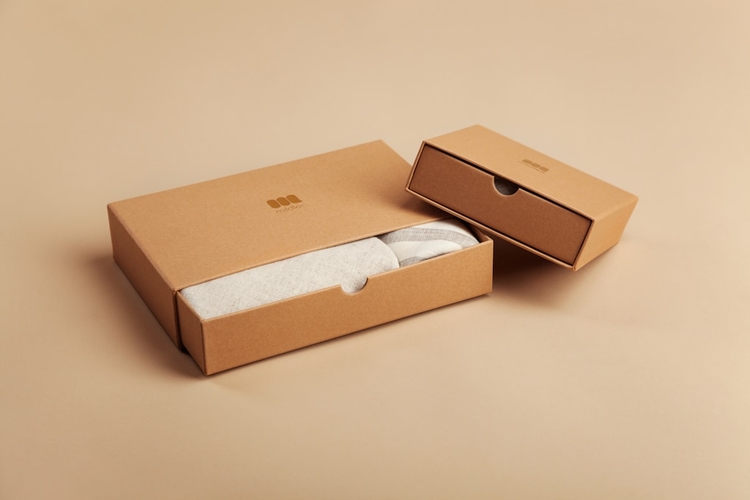
The choice of packaging design has a direct impact on operating costs, packing organization, and product safety during transport. In practice, companies most often analyze two options: slotted packaging and die-cut packaging. Each of them serves different functions and performs better under specific logistical, production, and sales conditions.
Slotted packaging – a universal solution for many industries
Slotted packaging belongs to the most common transport designs. Its popularity stems from the simplicity of production, wide availability of dimensions, and ease of adaptation to various types of products. This type of cardboard box is used in e-commerce, industry, wholesale distribution, and warehouses handling large volumes of shipments.
From a company’s perspective, a significant advantage is flexibility. Slotted boxes allow the use of various filling materials, which facilitates the packing of products with irregular shapes. In many companies, the packing process is already adapted to this type of design, so implementation does not require organizational changes. Slotted packaging works well where operational simplicity and the ability to quickly scale shipments are important.
Die-cut packaging – precise fit and packing convenience
Die-cut packaging is designed individually for a specific product or set of products. The die-cut design allows for the creation of additional stabilizing elements, such as partitions or inserts, which improves transport safety. This solution is often used in the cosmetics, electronics, and advertising industries, as well as in the sale of product sets.
A major advantage of die-cut boxes is packing ergonomics. Once folded, the box maintains its shape without the need for tape, which shortens the time required to prepare a shipment. In companies carrying out repetitive shipments, this can translate into noticeable labor savings. Die-cut packaging increases control over the packing process and helps maintain consistent product protection quality.
Production costs of slotted and die-cut packaging
When comparing costs, one should consider not only the unit price of the cardboard box but also the operating expenses associated with its use. Slotted boxes are usually cheaper to produce because they do not require the preparation of a die. Die-cut packaging generates an initial cost associated with the production tool, but with larger volumes, the unit price becomes more competitive.
When analyzing profitability, it is worth considering:
- the cost of purchasing the packaging,
- the labor time required for packing,
- consumption of auxiliary materials,
- the level of transport damage,
- matching dimensions to carrier requirements.
An experienced cardboard box manufacturer can analyze the company’s entire logistics process and propose a cost-optimal solution, rather than just the cheapest one to purchase.
Convenience of use in business practice
The decision between a slotted and a die-cut box should stem from the nature of the company’s business. Companies with a wide range of products and variable orders more often choose slotted packaging due to its versatility. Enterprises offering repetitive products, sets, or goods requiring stable positioning in the packaging are more likely to use die-cut boxes.
In many cases, the best solution turns out to be the parallel use of both types of designs, depending on the type of shipment and the specifics of the product. The selection of appropriate packaging should be an element of the company’s logistics strategy, not a random purchasing decision.
Check the possibilities of cooperation with an experienced packaging manufacturer https://tek-pak.pl/ and choose a solution tailored to your company’s needs.