









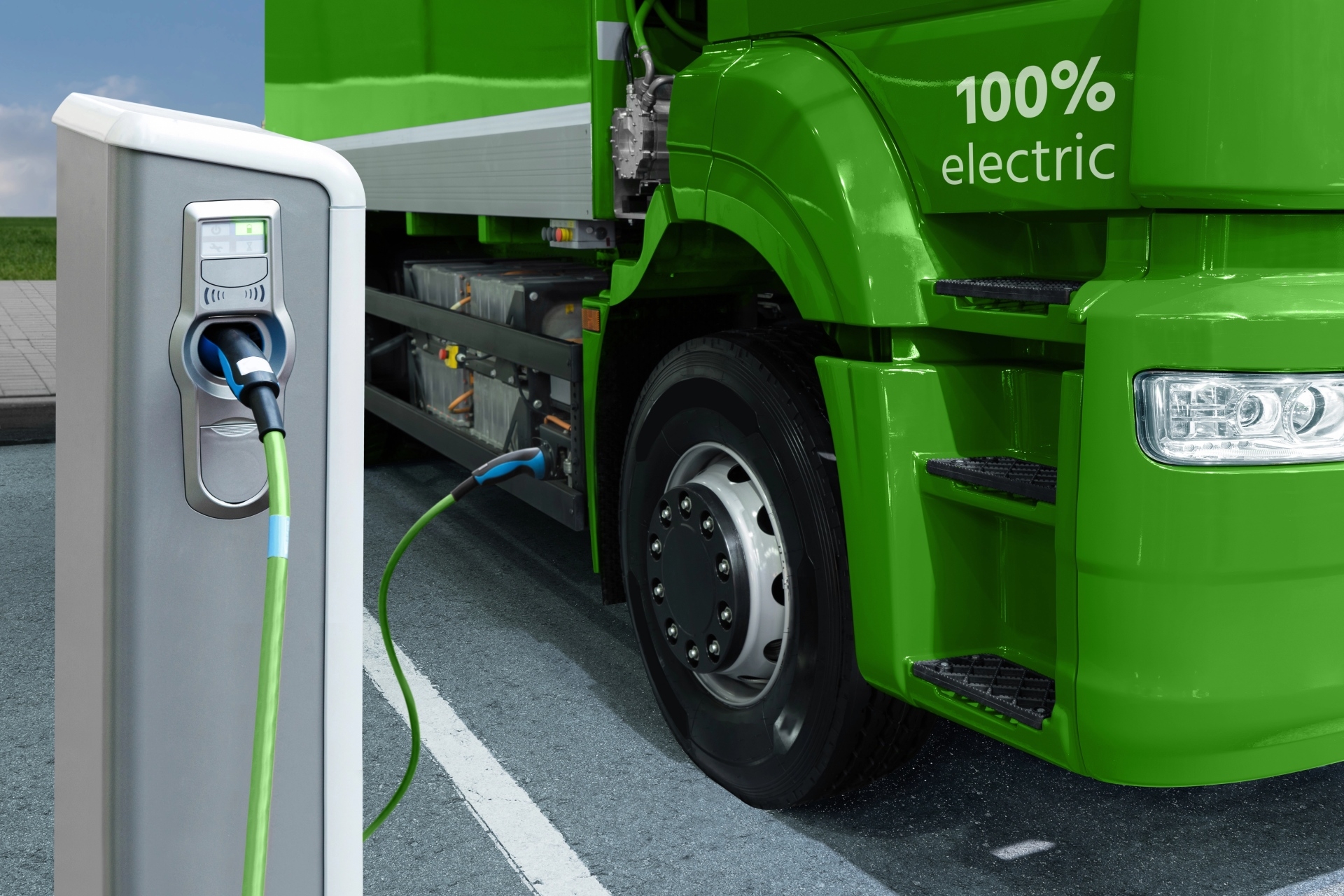
In June 2025, Smart Freight Centre (SFC), PragmaCharge, and the Polish Alternative Fuels Association (PSNM) launched the Poland-Germany Zero Emission Road Freight Corridor Consortium. The consortium aims to facilitate the deployment of electric heavy-duty vehicles (eHDV) on the busiest transport corridors in Poland, including routes leading to Germany.
The consortium includes both shippers and carriers and currently has 16 members, including companies such as DFDS, DHL, Kuehne + Nagel, Kimberly-Clark, Tchibo, and Unilever.
Decarbonizing road transport at scale requires collaboration across the entire value chain – from shippers and carriers to infrastructure providers and policymakers. The Poland Zero-Emission Road Freight Corridor consortium shows what is possible when companies work together, share data, and align demand with infrastructure deployment. By coordinating volumes and de-risking for carriers, this collaborative model transforms climate ambitions into commercially viable, real-world solutions for zero-emission heavy-duty transport.
– says Christoph Wolff, CEO of Smart Freight Centre.
The consortium has collected and analyzed historical road transport data from its members covering over half a million shipments. Using PragmaCharge’s AI-powered data and analytics platform, the consortium leaders were able to provide valuable insights into the most promising routes in Poland suitable for electrification and identify routes and applications that have already reached or are approaching TCO parity with diesel trucks.
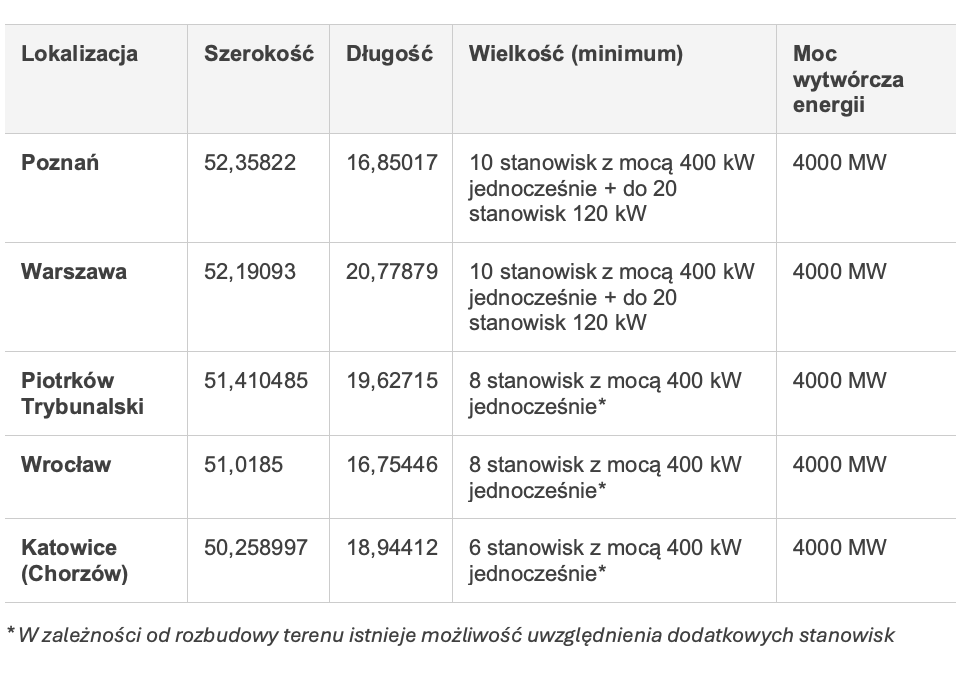
Based on data from consortium members, SFC and PragmaCharge identified routes on the A2 and A4 motorways and their surroundings as priority corridors for freight transport electrification in Poland. To support the efficient electrification of heavy vehicles on these routes, PragmaCharge is building strategically located high-power charging hubs covering both corridors. The first five locations are in Warsaw, Poznań, Katowice, Wrocław, and Piotrków Trybunalski, with further sites in Poland already in the planning stages. Construction of the charging stations will begin soon, with their launch planned for late 2026 and the first half of 2027.
Zero-emission heavy-duty transport at scale is possible when charging infrastructure, vehicles, and transport demand are developed in parallel. Through close cooperation with Smart Freight Centre, PSNM, carriers, shippers, and real estate partners, PragmaCharge enables the deployment of electric trucks by combining high-power charging hubs with comprehensive Electric Trucking-as-a-Service and Charging-as-a-Service models that can compete with – or even outperform – diesel in terms of total cost of ownership.
– says Nikhil Amin, CEO of PragmaCharge.
In the coming months, the consortium is taking further steps to reduce the total cost of ownership (TCO) of electric trucks. Building on their existing cooperation, SFC and PragmaCharge are connecting shippers and carriers within the consortium to jointly apply for electric truck subsidies.
To further reduce the total cost of ownership, the consortium is optimizing the use of electric trucks through coordinated route matching between participating shippers and logistics service providers. By jointly managing this process, logistics operators can combine and match cargo streams from multiple consortium shippers. Furthermore, this allows them to integrate volumes with their existing customer base, enabling them to increase annual mileage while reducing empty runs and significantly improving overall asset utilization efficiency. These opportunities are currently being transformed into viable business models that carriers can bid on using the PragmaCharge Electric Trucking-as-a-Service offering – at a total cost of ownership (TCO) equal to or lower than that of diesel trucks.
The consortium model removes many of the barriers that have historically slowed down the electrification of freight transport. By acting together, shippers and logistics service providers can match volumes, increase annual mileage, and reduce empty runs, which gives carriers the confidence needed to invest in electric trucks. This collaborative approach simplifies deployments, improves total cost of ownership, and helps turn decarbonization commitments into real, scalable operational changes in our logistics network.
– says Carlo Carmenati, Senior Manager EU Primary, Inbound, Pallets, Ocean & Sustainability, Unilever.
The consortium is also working closely with its local partner – the Polish Alternative Fuels Association (PSNM) – to promote favorable regulatory solutions, including reductions or exemptions from road tolls for zero-emission trucks. Together, these actions aim to accelerate deployments in the near future and demonstrate the commercial viability of electric heavy-duty transport in Poland.
For a decade, PSNM has been actively working to accelerate and develop the electrification of heavy transport in Poland and Central and Eastern Europe. The historic and unique subsidies for this sector in Poland, amounting to 1.5 billion euros, are proof that effective cooperation between industry, government, and civil society is crucial for accelerating the transition to zero-emission road freight transport. By collaborating with initiatives such as the Poland Zero-Emission Road Freight Corridor, we are continuing these efforts, also aiming to create non-fiscal frameworks – such as differentiated road tolls and other incentive mechanisms – that will create conditions for investment, deployment, and scaling of electric trucks in Poland.
– says Aleksander Rajch, Member of the Management Board of PSNM.
Source: PSNM