









The packaging industry remains one of the most diverse segments of the economy. Demand for packaging is directly linked to activity in e-commerce, industry, logistics, and trade, which is why macroeconomic prospects are of key importance for the entire sector. What challenges await packaging manufacturers in 2026? Krzysztof Rusin, CEO of MAZOP Group S.A., provides his commentary.
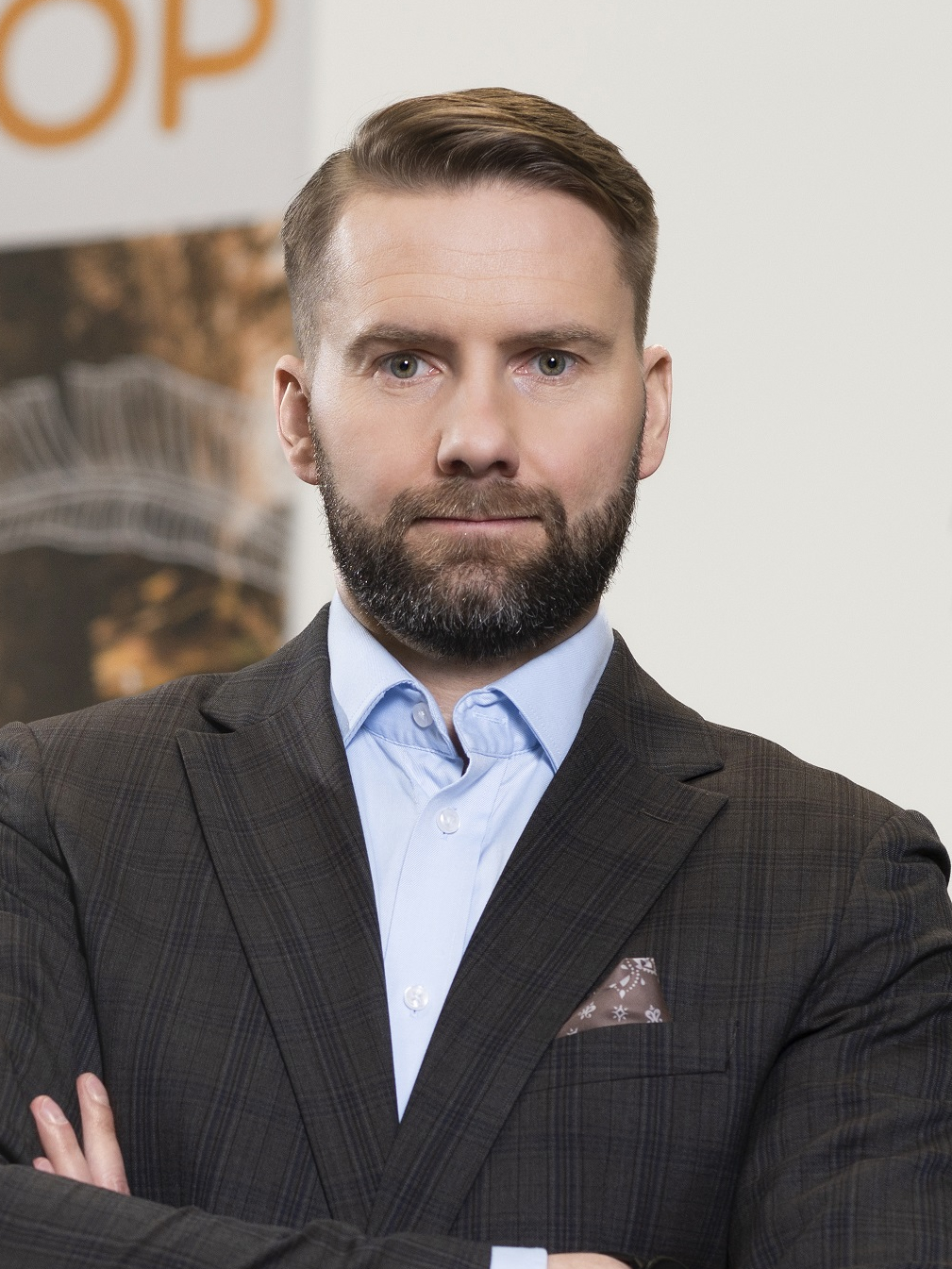 Forecasts for Poland, Germany, and the European Union for 2026 are moderately optimistic, and initial data, including incoming orders in German industry, point to a gradual improvement in the economic climate. In this context, we can expect a stabilization of demand and a return to more predictable order cycles in the packaging industry.
A significant factor influencing the operations of packaging manufacturers in 2026 will also be the stabilization of the cost environment. The expected relative stability of paper prices and the absence of sudden changes in raw material costs should facilitate better production planning and margins. After periods of high volatility in previous years, cost predictability is becoming one of the key elements in building operational security in the industry.
At the same time, the packaging sector faces significant regulatory challenges, the most important of which is the implementation of the Extended Producer Responsibility (EPR) system. From 2026, manufacturers placing packaging on the market will be required to pay fees depending on the type of material used. Higher costs will apply to packaging made of plastic or polystyrene, while lower costs will apply to materials that are easier to recycle, such as paper. These regulations will have a real impact on manufacturers’ cost structures and design decisions regarding material selection.
In practice, this means an acceleration of the trend of substituting plastics with paper-based solutions and an increase in the importance of protective packaging based on renewable materials. Manufacturers who already possess the appropriate technologies and know-how will be in a privileged position, being able to offer customers alternatives that meet new regulatory requirements while maintaining functionality and transport safety. This change will not only be a regulatory cost but also an opportunity to build an advantage through product innovation.
At MAZOP Group, we are well prepared for this trend. We already possess technologies that allow us to replace plastic packaging with paper solutions or significantly reduce the amount of plastic in protective packaging. We view EPR not only as a regulatory cost but also as an opportunity for further development of our offer and building a competitive advantage in the protective and industrial packaging segment.
Looking more broadly, I believe that 2026 will be a period of greater emphasis on operational efficiency for the packaging industry, rather than aggressive capital investments. Process optimization, automation of selected areas, and the best possible utilization of existing production capacities will be of key importance. Companies that combine a stable macroeconomic environment, cost control, and product flexibility with the ability to adapt to new regulations will be best prepared for further growth in the coming years.
Source: MAZOP Group S.A.