









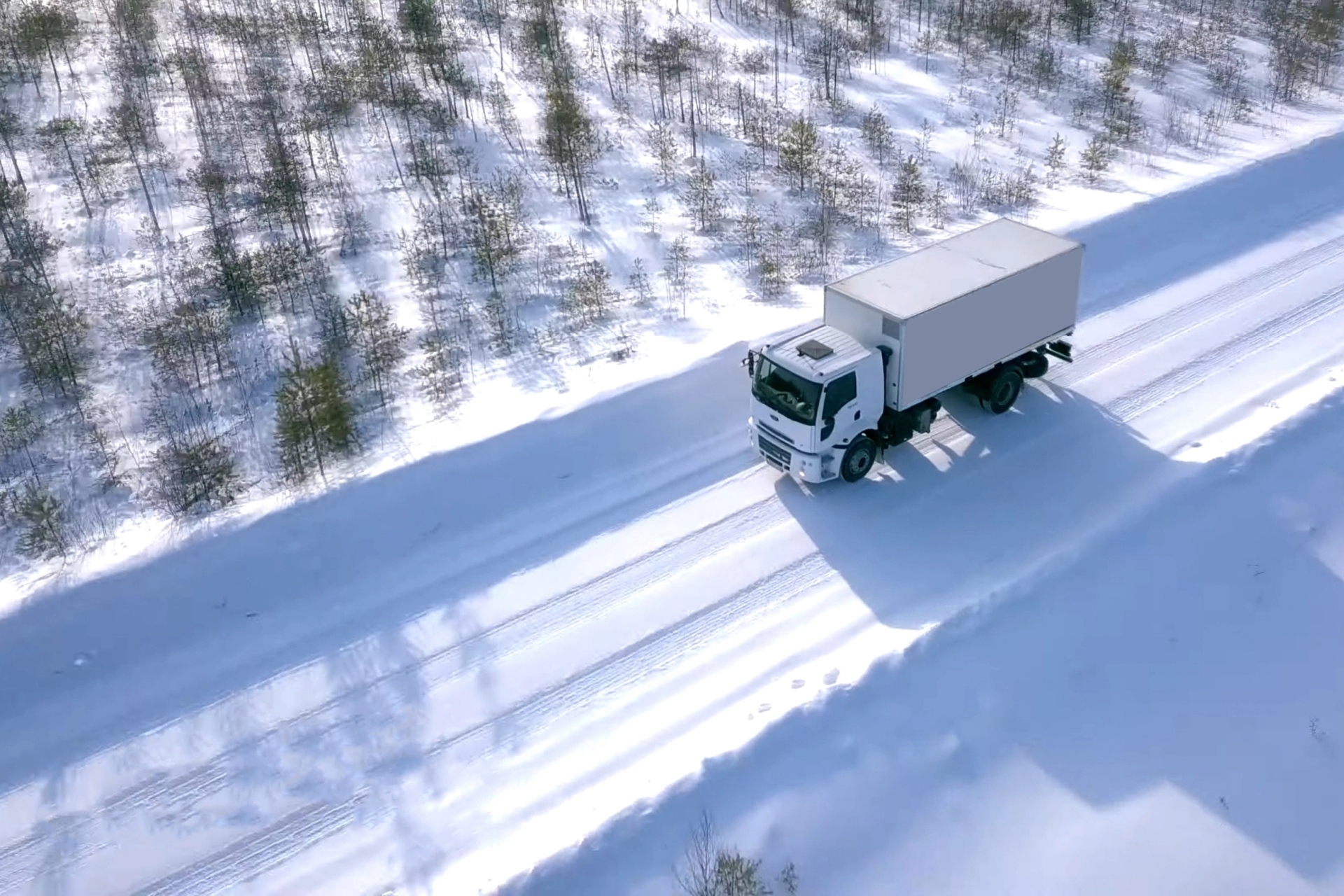
Winters in recent years have been shorter and warmer – in Poland, the average number of winter days has fallen by about 20 days per year over the last decade[1] – yet they can still be challenging. During this time, the logistics industry must pay special attention to transport safety and proper fleet preparation. What threats do drivers face in difficult winter conditions, and how do carriers protect both people and the transported goods to ensure they arrive safely? An expert from Geis PL explains.
An analysis of data from 123 countries and 901 cities conducted by Climate Central shows that since 2014, the number of days with above-zero temperatures has been systematically increasing, and winter has shortened by an average of at least a week[2]. Despite these changes, sudden snowfall and icing still occur, which can catch drivers off guard. Higher temperatures should not create a false sense of security. For the transport industry, every trip in winter conditions requires full readiness and careful planning.
For logistics companies, winter is never just a seasonal inconvenience. Every route requires thoughtful planning and readiness for changing road conditions. Even short-term icing can lead to traffic jams, delivery delays, or collisions, which consequently have a real impact on transport efficiency.
– says Arkadiusz Szopa, Branch Manager at Geis PL, Kraków, Rzeszów.
Weather monitoring and fleet preparation
Preparing the fleet for the winter season is crucial for maintaining operational continuity, driver safety, and minimizing the risk of costly breakdowns.
These actions include both mechanical aspects of the vehicles as well as equipment for drivers and training to improve skills in difficult conditions. Additionally, contracts with carriers include support in the form of reserve vehicles, which allows for flexible responses to potential breakdowns or delays.
– says Arkadiusz Szopa.
A detailed analysis of weather reports before planning routes is essential. It is not just about temperature, but also the dew point, intensity and type of precipitation, wind speed and direction, and visibility in foggy conditions. These parameters allow for the assessment of the risk of black ice, surface grip, and transport safety, especially for light and high loads or transport in difficult terrain, such as mountain sections, bridges, or highways. Based on such information, the distribution department introduces route adjustments and provides detailed instructions to carriers.
Special attention is paid to mountain regions, where adverse weather conditions occur more frequently and the terrain further increases the level of difficulty in transport. In such cases, successfully reaching the recipient with a shipment requires precise planning and a flexible approach to schedules.
– adds Arkadiusz Szopa.
Domestic transport in winter requires taking longer travel times into account. Professional companies use time buffers, alternative route plans, and constant monitoring of road conditions, allowing them to dynamically adjust delivery schedules. It is also important to properly secure transported goods, using additional fastening systems and insulation materials to protect shipments from low temperatures.
Winter does not allow for improvisation in road transport. Even the best procedures and modern systems require constant attention and awareness from drivers and dispatchers. Effective planning, weather monitoring, and proper fleet preparation minimize risks, protect shipments, and ensure timely deliveries. In the logistics industry, where every hour counts, a professional approach to the winter season becomes a key element of safety and operational efficiency.
[1] Winter in Poland is 20 days shorter. What are the effects of climate change?
[2] We may soon lose winter. In 10 years, it has shortened by as much as 20 days
Source: Geis Group