









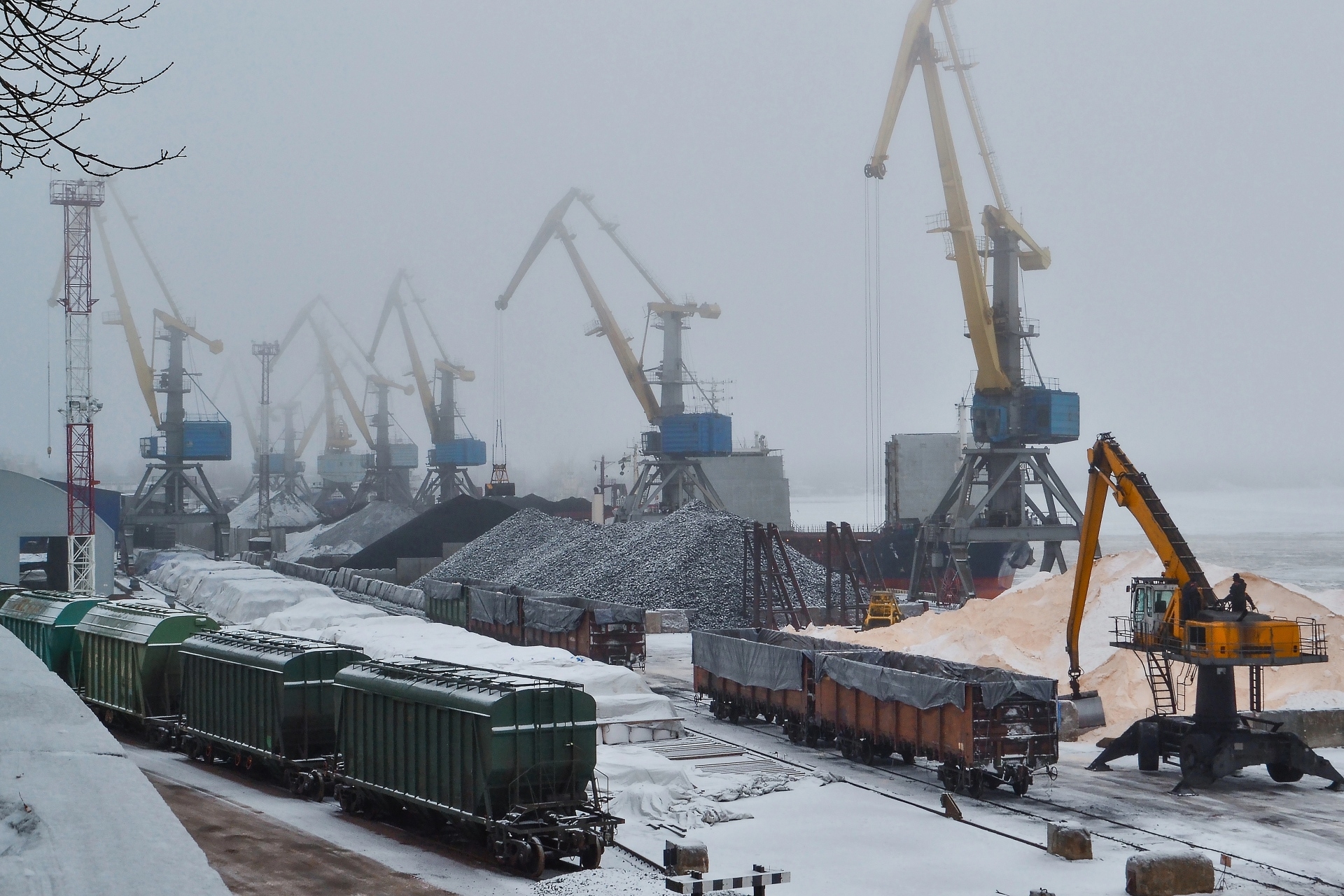
Autumn and winter are times of increased activity for the heating sector. According to industry data, the annual production of wood pellets in Poland is approximately 2 million tons[1]. This shows the scale of the market and the potential challenges associated with fuel distribution — from biofuels, through coal and briquettes, to wood. B2B logistics companies must cope with a simultaneous wave of orders, often in difficult road conditions.
The heating season is a real test for the industry. Freight transport operators face the necessity of handling a surge in orders and ensuring efficient deliveries to warehouses, distributors, and larger customers. It is during this period — especially from September to February — that the demand for fuel rises sharply: customers often want to replenish stocks before winter arrives or before further predicted price increases. As a result, large volumes of goods must be transported in a short time, which requires coordination of the fleet, warehouse facilities, and flexible route planning.
Transporting fuel is a specific challenge – the transport of energy raw materials in the B2B segment, primarily pellets, briquettes, and firewood, requires proper placement, securing, and protection against moisture. We serve both manufacturers and distributors, providing comprehensive delivery logistics to warehouses, fuel depots, and business customers. Thanks to our experience, we are also able to safely handle large volumes of seasonal cargo.
– says Rafał Augustyniak, Branch Manager at Geis PL Stryków.
The situation is further complicated by the weather. Frost, snow, and slush can completely change delivery schedules, forcing carriers to be more flexible. During this time, operators implement special procedures, additional technical inspections of vehicles, and time buffers in travel plans.
During the heating season, transport volumes increase by even several dozen percent. At such moments, quick reaction and prior preparation of resources become crucial. At Geis PL, we use data analysis and TMS systems to forecast demand, scale the fleet, and minimize the risk of downtime.
– says Rafał Augustyniak.
The use of planning tools is becoming one of the most important elements of supply chain management today. Predicting demand and seasonal changes allows logistics companies to act preventively — to prepare warehouses, drivers, and vehicles in advance.
In autumn and winter, the entire system — from manufacturers and distributors to shipping companies — must work flawlessly to ensure the availability of fuel where it is needed. In practice, it is the effective organization of transport that forms the foundation of energy security.
[1] https://panpellet.pl/polski-rynek-pelletu-pod-lupa/?srsltid=AfmBOooc6kiYAOs4FPVIP6DfCt4CglB4XI47gkSAyoh2XpmEw3gUjJAd&utm_
Source: Geis Group