









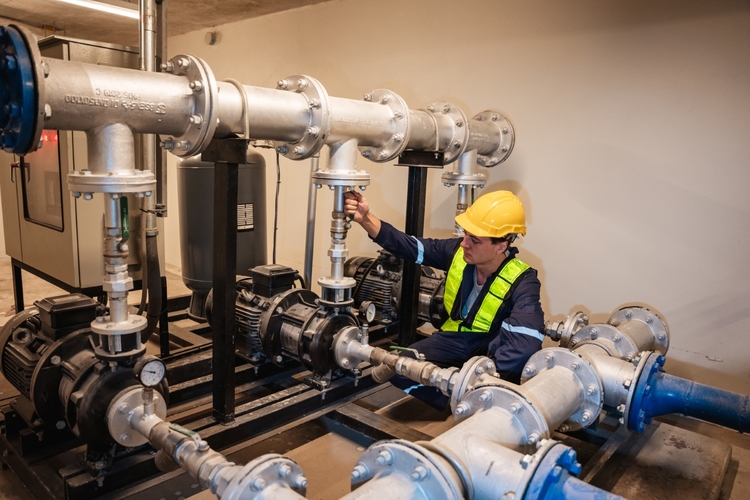
Selecting the right industrial pump is one of the key stages in designing and optimizing processes in the modern supply chain. Whether we are talking about the food, chemical, or pharmaceutical industry, the properly selected pumping technology determines production continuity, medium safety, and operating costs. In practice, this means the necessity of analyzing not only technical parameters but also the characteristics of the transported medium and the installation’s operating conditions.
Which process parameters are crucial when selecting a pump?
The first step in selecting a pump is to precisely define the operating conditions. Key factors include the viscosity of the medium, its chemical aggressiveness, the content of solid particles, and the required range of flow and pressure. Equally important are environmental aspects, such as operating temperature, the frequency of system cleaning, or the possibility of dry running. In the supply chain, where reliability and process repeatability count, the pump must be resistant to variable loads and easy to service. Errors at the selection stage often result not only in a shortened service life of the device but also in downtime that disrupts the entire logistics and production process.
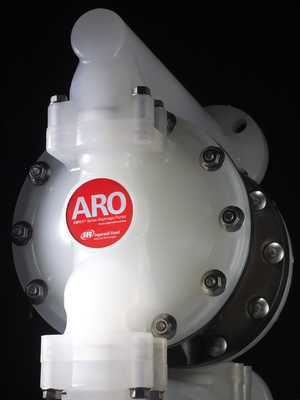
When are diaphragm pumps the most universal solution?
In applications requiring high process flexibility, diaphragm pumps are often used. Their design allows for the safe pumping of liquids with varying viscosity, abrasive products, and shear-sensitive media. The absence of dynamic seals minimizes the risk of leaks, which is of particular importance in the transport of hazardous or expensive substances.
Thanks to their ability to operate in intermittent mode and resistance to dry running, diaphragm pumps work perfectly in critical points of the supply chain, such as unloading, dosing, or transfer stations between process stages. Their versatility makes them frequently chosen as a base solution in multi-task installations.
In which applications do progressive cavity pumps outperform other technologies?
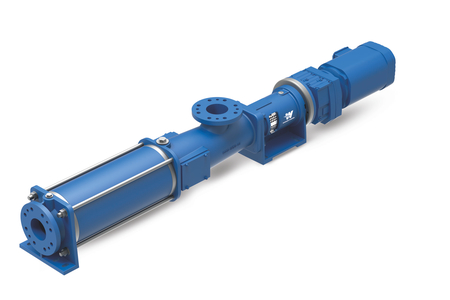
If the process requires a stable, continuous flow of a very high-viscosity medium, it is worth considering the use of progressive cavity pumps. Their operating principle, based on the rotation of a rotor in an elastomeric stator, enables the precise transport of products such as sediments, pastes, food masses, or technological sludge. In the supply chain, progressive cavity pumps often serve as key links in the transport of semi-finished products between production stages. Thanks to low pulsation and the ability to operate at high pressure, progressive cavity pumps ensure process stability and reduce the risk of medium stratification, which has a direct impact on the quality of the final product.
Why are piston pumps chosen for high-pressure tasks?
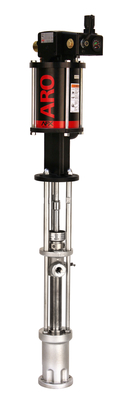
In applications where generating high pressure and precise dosing are crucial, piston pumps are used. Their design enables the transport of media over significant distances and operation in conditions where other technologies reach their technical limits. In practice, piston pumps are used, among others, in the chemical and petrochemical industries and in installations requiring accurate flow volume control. Although they are characterized by a more complex construction, their reliability in demanding conditions makes them an important element of advanced pumping systems.
In summary, it should be stated that the selection of a pump for an industrial application should not be treated solely as a technical decision, but as an element of process management and operational risk strategy. Diaphragm, progressive cavity, and piston pumps address different supply chain needs, offering distinct benefits in terms of flexibility, flow stability, and resistance to difficult operating conditions. Consciously matching the technology to the specifics of the medium and the process allows for increased efficiency, reduced costs, and ensures the operational continuity of the entire installation.
Photos in the content are proprietary.