









The role of a freight forwarder is for people who enjoy coordinating complex processes, solving problems, and seeing the tangible results of their actions. If you are thinking about developing in the TSL (Transport – Spedition – Logistics) industry, discover the opportunities that the freight forwarder profession offers and check how to gain the necessary competencies.
The role of a freight forwarder: when goods must travel thousands of kilometers
As a freight forwarder, you are a specialist in organizing the transport of goods in domestic and international transport. Your activities are service-oriented and regulated by the forwarding contract defined in the Civil Code. In your work, you use various means of transport: road, rail, sea, inland waterway, and air, selecting them appropriately for the type of cargo, distance, budget, and delivery deadline.
Your day is constant coordination and communication. In the morning, you accept new orders, calculate costs, and prepare offers for clients. Then, you plan the execution of approved transports – you choose carriers, set routes, and complete forwarding documentation. In the meantime, you monitor ongoing shipments, react to unforeseen situations (delays, breakdowns, changes in plans), and handle settlements with clients and logistics partners.
In this job, communication skills are very important. Every day you cooperate with drivers, warehouse workers, dispatchers, clients, and contractors. You communicate by phone, email, and through IT systems that support transport management. Knowledge of foreign languages, especially English, is a great asset in international contacts.
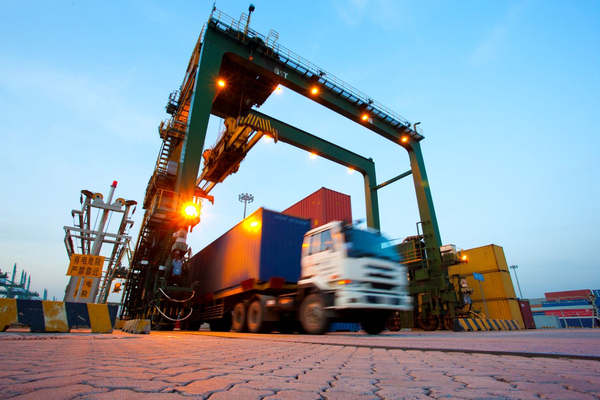
Development prospects
The globalization of trade means that freight forwarders are needed both in small transport companies and in international logistics corporations. It is a profession that offers wide development opportunities — from independently managing orders to specializing in a chosen type of transport or industry.
Specialization can concern, among others, sea, air, or road transport, or the transport of food products, hazardous materials, or oversized cargo. If you have leadership predispositions and a higher education (e.g., in logistics, transport, or economics), a natural step in professional development is promotion to the position of team leader, logistics department manager, or operations director.
How to become a freight forwarder?
If you want to start working in the TSL industry, you need both theoretical knowledge about logistics processes and practical organizational skills. The Center for Professional Development (Centrum Doskonalenia Zawodowego) offers a logistics course (transport and logistics specialist), which will comprehensively prepare you for this role.
The course program covers all essential areas of a freight forwarder’s activity. As part of forwarding and transport, you will learn, among other things, the specifics of various types of transport and learn how to organize transport and forwarding processes in export and import. Find out more about the training and discover other professional courses that will help you develop in your chosen direction. You will find all the details on the cdz.edu.pl portal.