








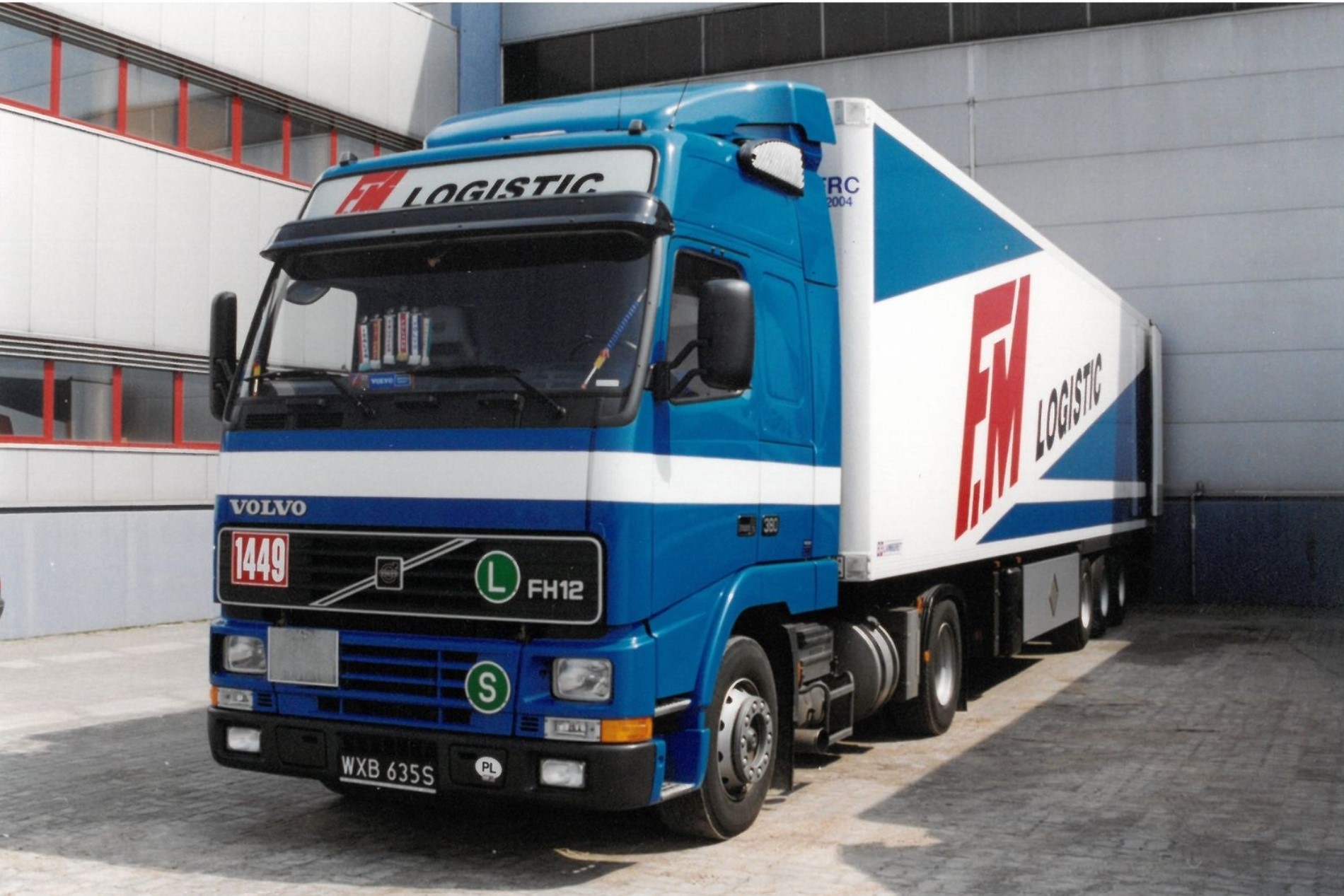
At the beginning of the 1990s, logistics in Poland was still in its infancy. There was a lack of modern infrastructure and technology, as well as knowledge regarding modern supply chain management methods and a professional process-oriented approach. The situation began to change with the entry of international logistics operators into the Polish market. Today, logistics is one of the most dynamic and innovative branches of the Polish economy, which not only keeps pace with European trends but increasingly helps to shape them.
The emergence of international logistics operators was an impulse for changes in the way supply chains were managed, the approach to infrastructure, and the definition of logistics as a strategic element of business operations. One of the first operators to start operations in Poland was FM Logistic – a company with French capital present on our market since 1995. – We entered the Polish market with know-how that was ahead of the realities of the time. By investing in our own warehouses and infrastructure adapted to comprehensive logistics services, we were able not only to offer modern services but also to actively influence the direction of the industry’s development – emphasizes Rafał Woźniak, Operations Director in Poland at FM Logistic.
Three decades later, Polish logistics is one of the most highly developed segments of the economy – with an extensive warehouse network, modern transport infrastructure, and a growing role in European supply chains. The potential of our logistics sector is increasingly recognized by foreign investors, who are choosing to locate their capital in Poland.
Needs created solutions
Changing customer needs and the dynamic development of retail and online commerce meant that logistics companies had to demonstrate great flexibility in their offerings. Over the decades, it was the efficient adaptation of logistics services to changing consumer trends that allowed many logistics operators to consolidate their position on the Polish and European markets.
One of the breakthrough steps was the takeover by operators of some tasks related to preparing goods for sale. Value-added services such as co-packing and co-manufacturing became a natural extension of contract logistics, enabling clients to outsource packaging and product assembly, eliminating investment costs.
Another milestone in the industry’s development was the technological revolution. The growing importance of robotization and automation, in connection with increasingly advanced operations, gave an impulse to invest in modern warehouse technologies supporting teams in their daily processes.
This completely changed the execution of tasks in the warehouse space. Our platforms have been equipped with advanced WMS systems, Locus robots that work with employees on order picking, and automatic sorting lines. This has allowed us to increase operational efficiency and shorten order fulfillment times.
– adds Rafał Woźniak from FM Logistic.
One cannot ignore the aspect that has been increasingly influencing the functioning of the entire economy in recent years – we are talking about sustainable development and green regulations, which set the direction for the actions of many enterprises. FM Logistic is actively responding to these challenges by implementing the Powering 2030 strategy, which aims to achieve carbon neutrality in warehouse facilities. It is taking concrete actions – from route optimization and the use of renewable energy sources in warehouses to plastic reduction strategies in packaging processes, supporting the reduction of the carbon footprint.
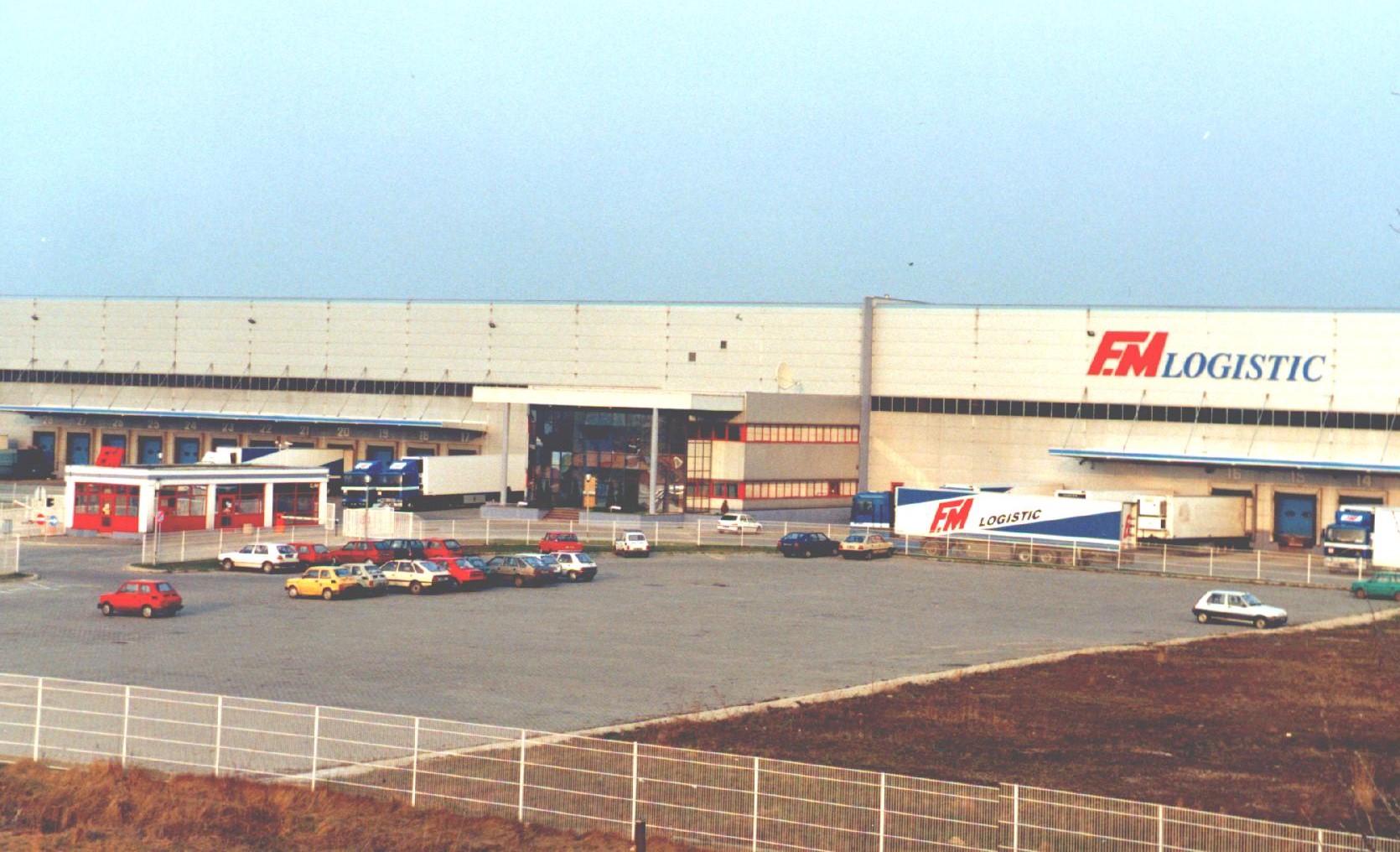
Logistics under the pressure of online shopping
In the last decade, however, the greatest transformation in the industry was forced by the dynamic development of e-commerce. Today, logistics in this respect is unrecognizable compared to the 1990s. Online shopping has completely changed the approach to customer service – short lead times, product availability across multiple sales channels, and the integration of sales systems with logistics systems have become the standard.
Over the last few years, we have been intensively developing our distribution network and competencies allowing for fast order processing in the dynamic realities of e-commerce. Our logistics centers are adapted to handle multiple distribution channels, which allows clients to maintain sales continuity even during the biggest sales peaks.
– explains Rafał Woźniak from FM Logistic.
According to estimates by the Polish Chamber of Commerce, based on Statistics Poland (GUS) data, in January 2025, e-commerce turnover reached a value of almost 7 billion PLN. Thus, the sector achieved a result 9.4 percent better year-on-year, and also the best result in the last 5 years. Such a scale of operation and the dynamic development of online trade in the coming years means that the logistics industry must constantly follow changing trends, flexibly responding to new market challenges.
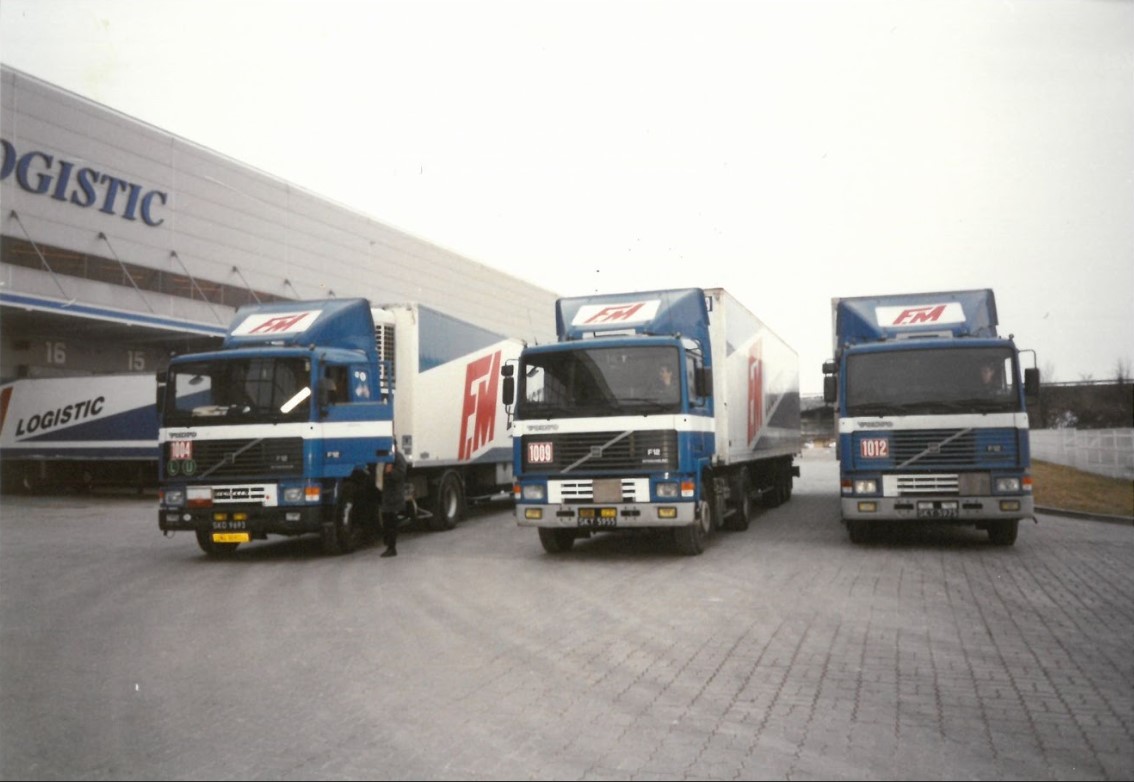
30 years in Poland
The history of FM Logistic in Poland is three decades of bold decisions, thanks to which the company has built a strong market position. Right from the beginning, they focused on a business model based on their own logistics centers – modern, taller than those built at the time, and therefore much more functional. This was ahead of the standards commonly known in the mid-90s and enabled the implementation of services other than just warehousing, such as co-packing or co-manufacturing. This model remains the foundation of the company’s operations to this day.
In subsequent years, FM Logistic systematically expanded the scope of services provided, entering new sectors and responding to the diverse needs of clients. Currently, the company serves such demanding industries as pharmaceutical or cosmetic, which require the highest quality standards, advanced procedures, and specialized storage and transport conditions. At the same time, the demand for operational flexibility grew – both in terms of volume and geographical reach. Opening borders after joining the European Union was an important step for the Polish economy, but also a milestone in the company’s global development. New opportunities gave an impulse to create a Central Europe cluster, which enabled coordinated customer service over a larger geographical area. The comprehensiveness of FM Logistic’s offer was also influenced by the development of transport services. The development of the distribution network and international connections using a modern fleet and the implementation of alternative forms of cargo transport in the form of intermodal transport allowed for increased efficiency and availability of solutions for both large and smaller orders, while maintaining high quality and competitive operating costs.
Three decades of presence on the Polish market have allowed us not only to observe but also to actively co-create the changes taking place in the logistics industry. Poland has become a strategic operational point, but also a valuable source of knowledge that we now use in the Central Europe region. The evolution that the logistics industry has undergone over these three decades is also a unique story of our organization, full of challenges, but also beautiful achievements.
– summarizes Rafał Woźniak.
Source: FM Logistic Central Europe