








Economic nationalism is on the rise in Europe – consumers are increasingly choosing local products, supporting domestic brands. But there are places where quality, price, and convenience still win over national sentiment. Croatia and Bulgaria are exactly such markets – open to foreign e-stores, increasingly digital, and dynamically developing. For Polish brands, this is the perfect moment to take the first step in cross-border expansion and build a strong position before Western competitors do.
Expansion into markets like Croatia and Bulgaria is a real opportunity for Polish e-stores today to gain a competitive advantage, diversify revenue, and build a lasting position outside the country. Both countries are distinguished by relatively low local competition while simultaneously showing great trust in foreign brands – especially those that offer modern and transparent online stores, secure payment methods, and fast, predictable delivery.
Absorbent markets waiting for good players
Croatia, despite a population of about 4 million, is a highly absorbent market – according to forecasts, the value of its e-commerce will reach nearly one billion dollars (USD 960.6 million) in 2025. In Bulgaria, with about 6.8 million people, online sales revenue grew by as much as 19% in 2023. In both countries, the most popular products are in the electronics, fashion, hobby, and cosmetics categories. Customers expect efficient delivery (maximum 2–3 days), prefer well-known and secure payment methods – such as Mastercard in Croatia or card payment and Cash on Delivery (COD) in Bulgaria – and are open to shopping via social media. This makes social commerce strategies potentially extremely effective there.
Polish brands, such as CCC, Vinted, Ziaja, or Eveline, are already successfully operating in the region, building the image of “made in Poland” as a synonym for quality, functionality, and good price. High standards of service, refined purchasing processes, and competitive offers translate directly into conversion and customer loyalty.
Logistics without barriers: faster, cheaper, and closer to the customer
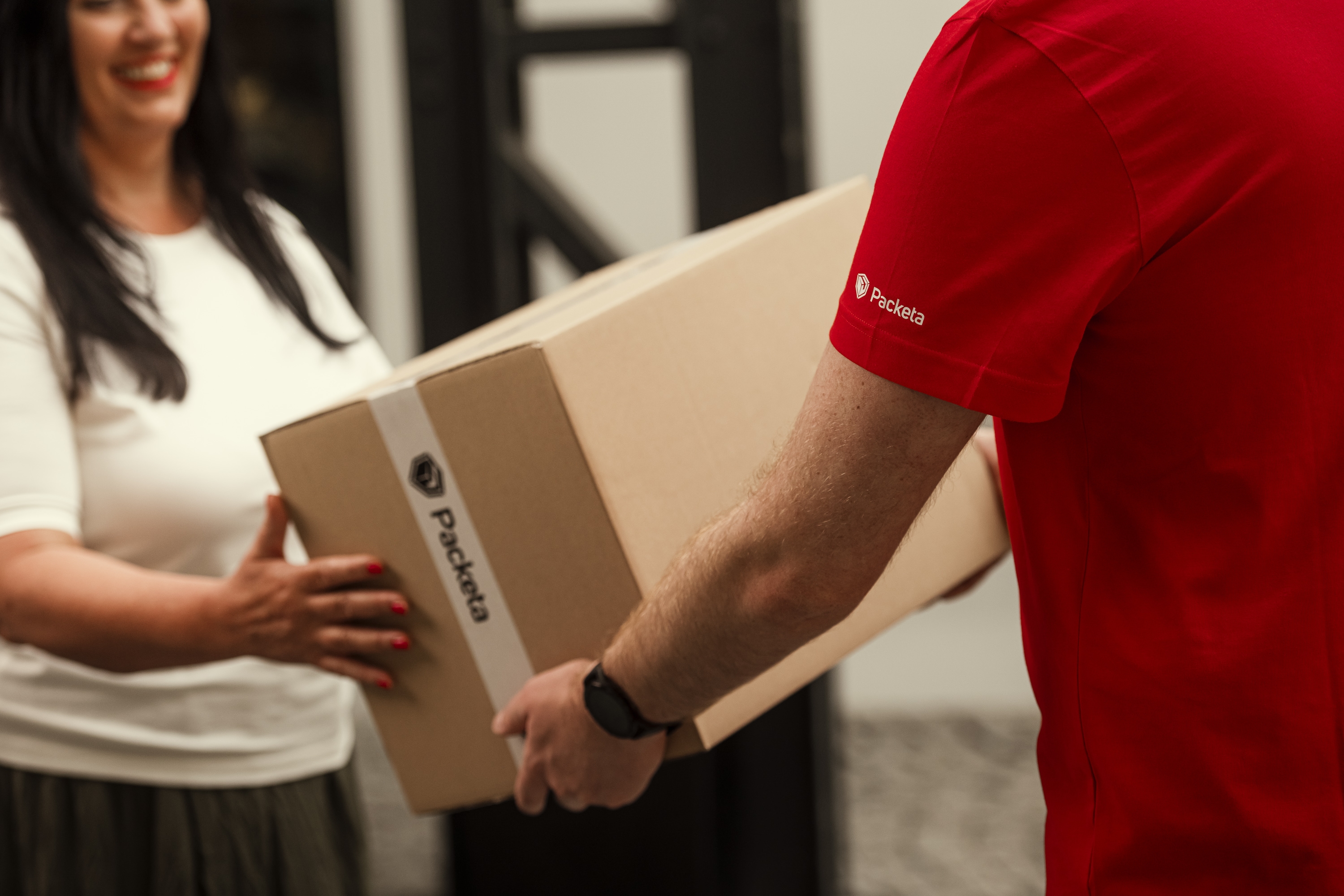
Thanks to new logistics solutions, expansion into the Croatian and Bulgarian markets is becoming more accessible to Polish e-stores than ever before. Packeta, one of the leaders in cross-border logistics, has partnered with a local operator in the Balkan region, which has allowed for a significant increase in the availability of parcel lockers – there are already over 800 points in Croatia and about 700 in Bulgaria.
This translates into faster and more predictable deliveries – the average delivery time is 3-4 days to Croatia and 4-5 days to Bulgaria, respectively. Additionally, customers can use the Cash on Delivery (COD) option, and stores gain the ability to ship parcels up to 15 kg in a convenient and automated form.
It is worth noting that parcel lockers are becoming an increasingly popular form of delivery in the region – in Croatia alone, 34% of e-orders are already delivered to such points, and nearly half of e-shoppers use more than one delivery option. For e-stores, this means not only simplified logistics and lower costs, but above all, better alignment with local preferences and consumer expectations. The development of foreign logistics, primarily PUDO solutions, also eliminates one of the main barriers for Polish e-stores to enter Southern European markets, which is the high cost and long delivery time, and significantly increases their competitiveness.
– says Paweł Banach, Business Development Manager at Packeta Poland
Good advice for expansion:
- ensure full language localization, UX, and a simple e-store checkout – Croatians and Bulgarians are demanding but loyal customers,
- provide local customer service and professional translations – this has a huge impact on conversion and retention,
- focus on performance marketing – SEO, Google Ads campaigns, and presence on local marketplaces.
Source: Packeta