








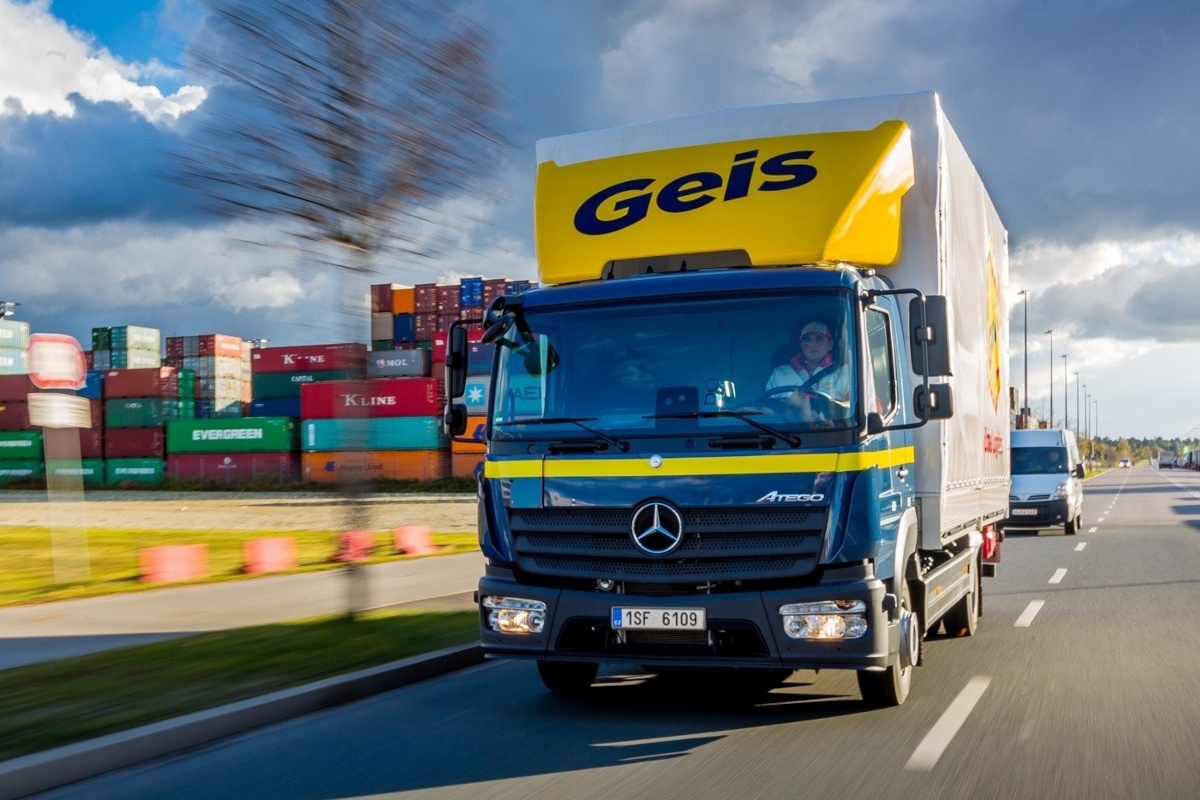
Spring is the time when Poles flock to buy garden and balcony items. However, before these products appear on store shelves or reach customers’ homes, they must travel a long and precisely planned logistical route. What does this process look like behind the scenes? An expert from Geis PL reveals the backstage of the seasonal peak in the gardening industry.
The market for garden products in Poland is developing very dynamically. In 2019, its value was approximately 1.33 billion PLN, and by 2023 it had increased by more than 20 percent – and it continues to grow[1]. A major influence on this trend was the COVID-19 pandemic, which encouraged investment in home spaces – terraces, balconies, gardens, and allotments.
Although sales of garden furniture peak only in the spring, the entire logistical machinery starts much earlier. According to Geis PL, key activities begin as early as September and October: planning orders with manufacturers, booking warehouse space, organizing transport, and creating delivery schedules. It is in the autumn that the operational foundation is built, allowing for the efficient handling of the spring shopping boom. In peak months, the number of transport orders can increase by as much as 1000 percent compared to winter months.
The first large batches of goods reach central warehouses as early as January and February. This is when companies begin building up stocks to meet the rapidly growing demand in March and April, the peak of the sales season. From a logistical point of view, this is the most intense period of the entire year. Wholesalers and retail chains then conduct increased stocking, preparing for the May long weekend – the symbolic start of the garden season, which for logistics means maximum load on transport and warehouses.
– says Rafał Augustyniak, Director of the Stryków Branch at Geis PL.
From Asia to Europe – the journey of garden furniture
Most garden furniture is imported from Asia – mainly from China and Vietnam. From local factories, products reach European ports, from where they are further distributed to warehouses in Poland.
An example journey of a terrace sofa might look like this: a container ship departs from the port of Shanghai and arrives in Gdańsk or Rotterdam, from where the cargo is reloaded and sent to a central warehouse in Poland. From there, the furniture is distributed further – to retail chains, retail outlets, or directly to the end customer via e-commerce channels.
– adds Rafał Augustyniak.
In the case of accessories such as pots, lighting, or decorations, supply sources are more diverse – they often come from Germany, Italy, or the Netherlands. At the stage of domestic distribution, transport from central warehouses to regional centers and stores dominates. The standard delivery time in Poland is up to 2 business days, although it may extend slightly during the season due to the volume of orders.
The logistics of transporting garden furniture and balcony items themselves carry a number of operational challenges. The large dimensions of these products significantly hinder the optimal use of cargo space, which translates into higher transport costs. At the same time, many of them – especially furniture and glass elements – require extreme caution during transport due to their susceptibility to damage. It is therefore necessary to use appropriate security measures to protect the goods from both shocks and moisture. Additionally, the dynamic growth in demand for this type of assortment in the spring season means that logistics must operate with great flexibility, ensuring fast order fulfillment while handling large volumes of goods.
[1] Poles are spending more and more on garden equipment. What were they buying most eagerly in the second quarter of 2024? | RegioDom
Source: Geis Group