








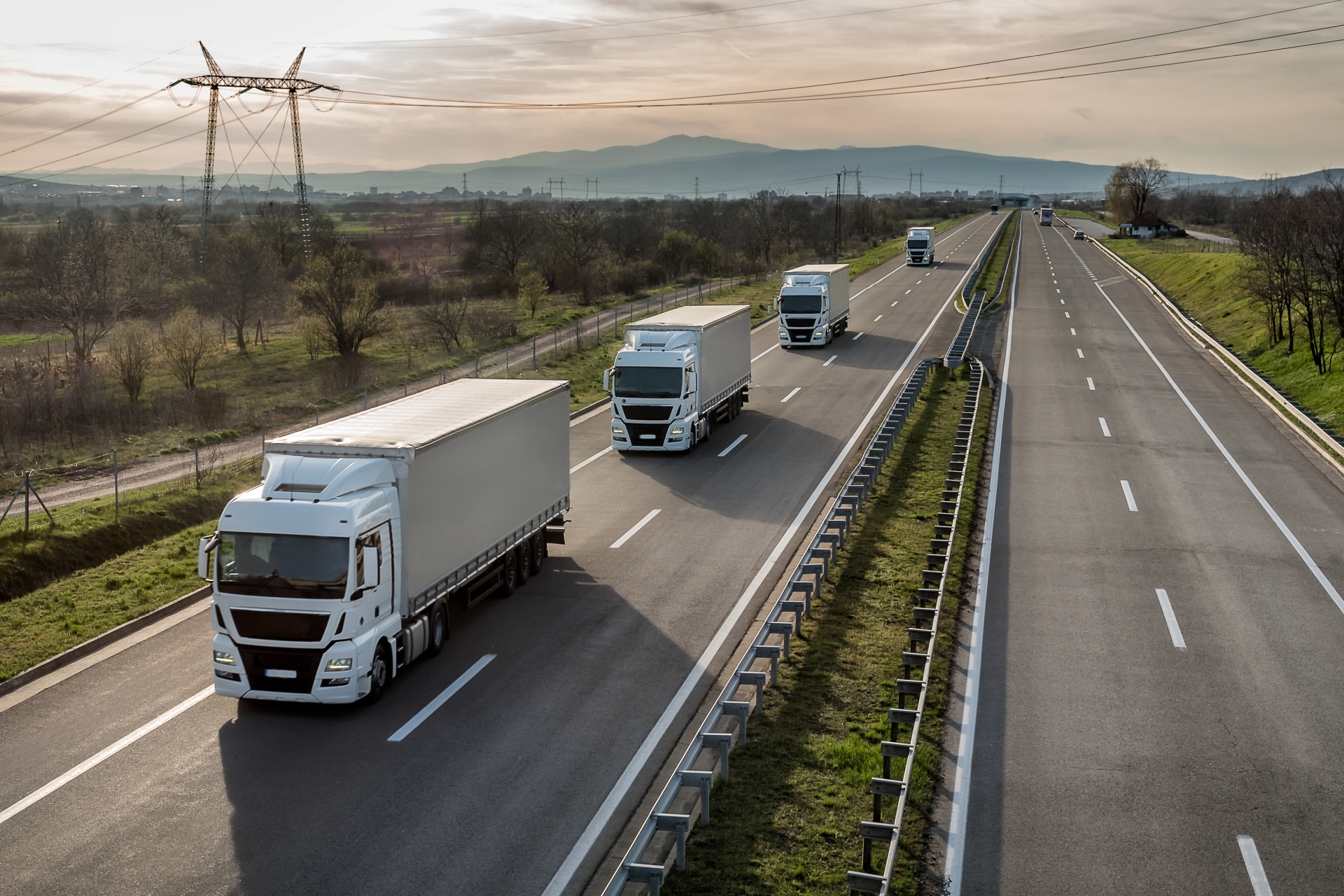
Strict requirements regarding cargo securing, low-emission zones, and tight delivery time regimes are just some of the challenges that transport companies carrying out shipments to Germany and the Benelux countries must face. – Proper preparation for these requirements is crucial for the efficient execution of transport – says Joanna Porath, owner of the customs agency AC Porath.
Transporting goods to Germany and the Benelux countries presents carriers with a number of logistical and organizational challenges. Key areas that require special attention when planning shipments in this direction include knowledge of public holidays and the driving bans in force at those times.
- Transport to Germany and the Benelux countries requires properly prepared documentation;
- Attention should be paid to driving bans during holidays and restrictions in low-emission zones;
- In the case of importing goods to Poland via Germany and the Benelux countries, fiscal clearance is possible, which sometimes causes a number of difficulties.
– Often a holiday or a driving ban does not apply to the entire country, but only to selected states/regions, so it is better to have a list of alternative routes prepared. It is worth emphasizing that there are groups of goods whose transport is exempt from the driving ban. Additionally, when entering Germany and the Benelux countries, road tolls must be taken into account, including the Eurovignette and low-emission zones, where entry is restricted and often requires special permits or the payment of additional fees – explains Joanna Bożek, office manager at Imex Logistics Sp. z o.o. in Mielec.
Requirements regarding vehicle equipment
A particular challenge is the timeliness of deliveries, especially in the food industry. In many plants, loading and unloading are scheduled for specific hours, and delays can result in long waiting times. Deliveries to ports, trade fairs, or airports require additional formalities – not only notification for specific hours but also obtaining special passes. An important aspect is also the working hours of companies, especially in Germany, where plants often work shorter hours on Fridays.
– It should be remembered that Germany takes a very strict approach to the proper securing of goods during transport, hence the need to equip delivery vehicles with an appropriate number of lashing straps, anti-slip mats, or edge protectors. Some companies have their own requirements regarding the length of buckles on straps, the thickness of mats, and even the color of the securing mats – emphasizes Joanna Bożek.
Regulatory challenges and customs requirements
Efficient transport execution requires planning and reporting shipments well in advance to avoid disruptions in the supply chain.
– A good example is the challenges associated with transport during the holiday season. The configuration of this year’s calendar shows that there will be a significant downtime after the New Year. Transport to Poland will be practically shut down for 10 days due to the arrangement of the holidays – says Joanna Porath, owner of the customs agency AC Porath.
VAT from fiscal clearance should be settled in the tax return for intra-Community acquisition using the European tax number of the fiscal representative of a given member state, e.g., Germany or the Netherlands.
– Transport to Germany and the Benelux countries requires transport companies to plan in detail and take many factors into account. Successful delivery in this direction depends not only on knowledge of regulations and procedures but also on proper preparation of documentation and compliance with local regulations – concludes Joanna Porath.
Source: AC Porath