








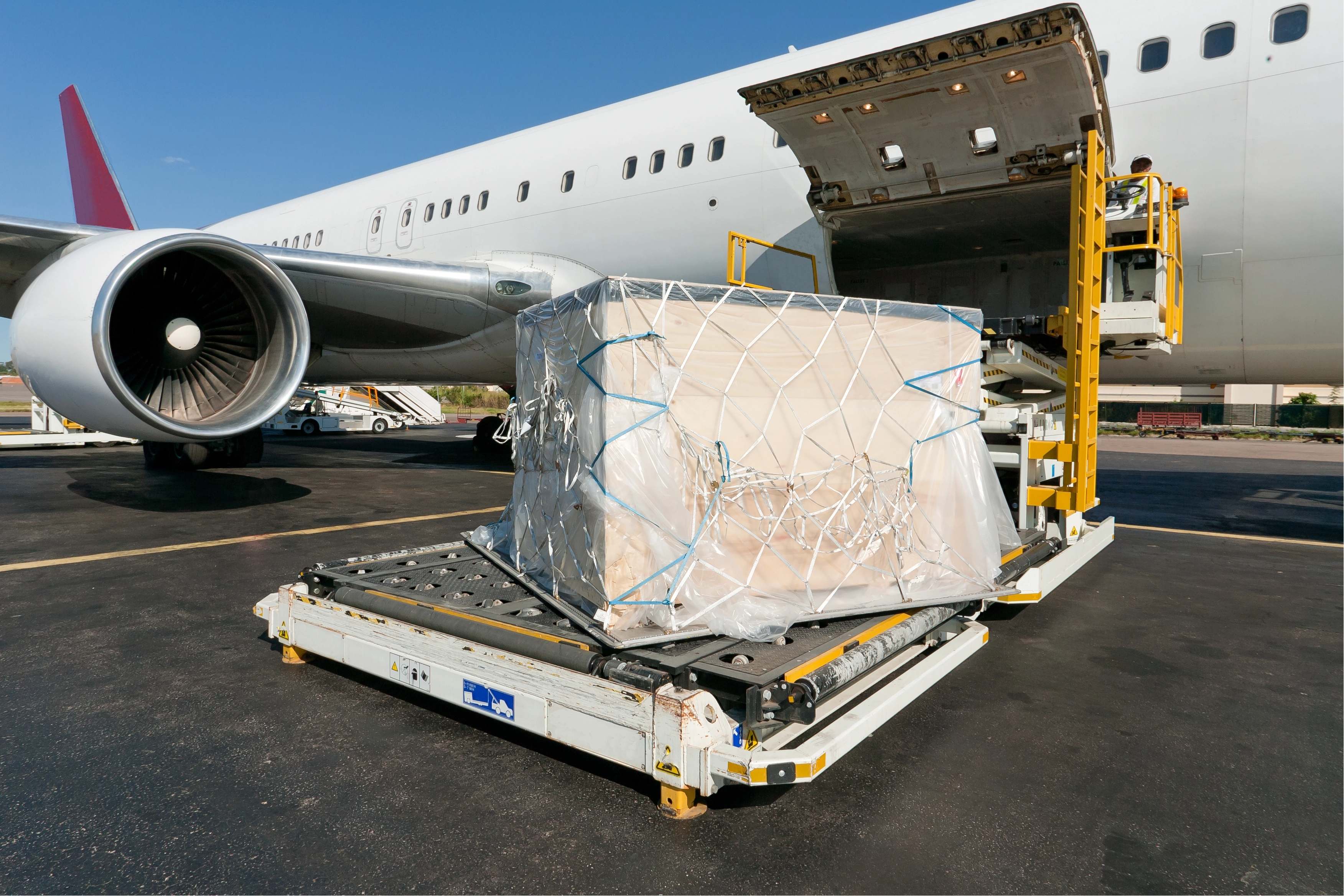
The global air cargo market is in a phase of dynamic growth, although it can be observed that its scale depends on the geographical area and the industries that use this solution. The International Air Transport Association (IATA) reports that profits in this sector increased by approximately 12% last month compared to the same period in the previous year, and by as much as 46% when looking at data from before the COVID-19 pandemic. We also see this in our company statistics. Comparing 2023 to the January-October 2024 period, the volume of shipments in this business has grown by over 25%.
The demand for air transport is not weakening despite the relatively high price of this solution. Customers and industries for whom speed, flexibility, and reliability are particularly important often choose this option. And what is flying on planes today? It is not just fresh fruits and vegetables, flowers, and electronics, but also clothing, components for machines and aircraft, and products for sale in the e-commerce channel.
E-commerce likes to fly
E-commerce is becoming a key player in the air cargo market. This is, among other things, a result of the unflagging popularity of Chinese sales platforms in Europe and the USA. This year, the application of one of the most popular services was downloaded by 100 million users worldwide. Only the aviation business is able to ensure the handling of these goods while maintaining an attractive delivery time for the consumer. According to the research firm Trade and Transport Group, the export of e-commerce and low-value goods from China grew by 30% year-on-year during the first seven months of 2024, and deliveries to Europe and the USA increased by 38% and 30%, respectively.
Currently, the market is dominated by low-cost airlines from the Central Asian region and China, however, it is clearly visible that other players also have a desire to serve this market segment. The topic is being explored by, among others, airlines from the EU, and it is evident that they are redirecting part of their freighter fleet in search of profits related to e-commerce handling. A similar situation is occurring in the case of carriers from the Persian Gulf, such as Qatar Airways and Emirates, which are developing service towards Hong Kong, which is happening at the expense of, for example, well-priced connections with Australia. The sudden effects of relocating CAO (Cargo Aircraft Only) type aircraft fleets are already visible in South America, and most notably at the largest Brazilian airport, São Paulo – Guarulhos, where after the aforementioned changes, masses of goods are piling up not only in warehouses but also on the airport apron.
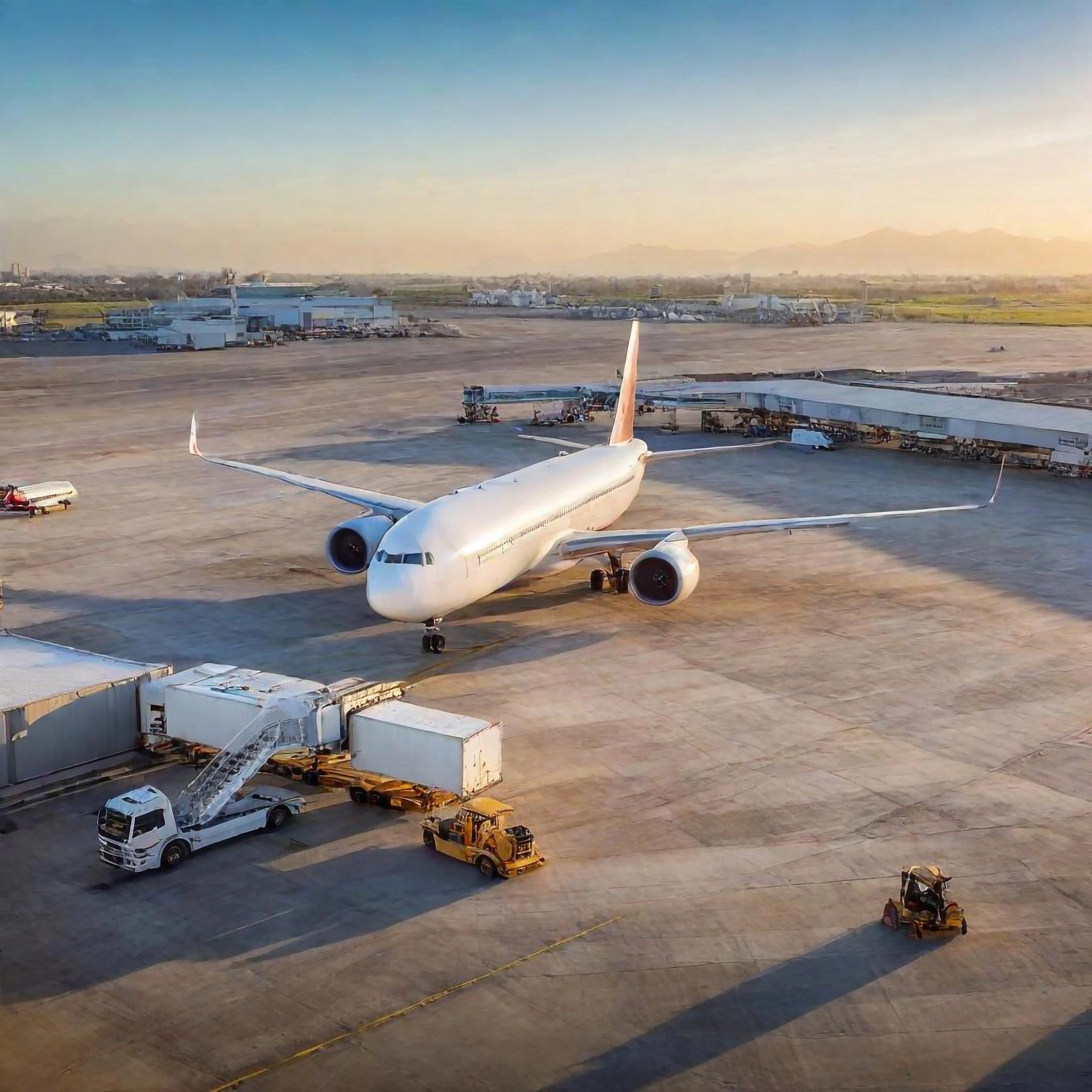
Freight rates in the aviation business and changes in connection networks
The ongoing peak transport season in the aviation business is traditionally causing an increase in air freight rates for imports from China and the Far East to Europe or the USA. On board the planes are goods for Black Friday promotions, Christmas, and also the American Thanksgiving holiday. Companies are very careful not to be late with products for sales, and air transport is a flexible solution for them. On the other hand, on the import route from Southeast Asia, we are observing stable but still high prices, which will most likely not change in the near future. This is a result of the Red Sea crisis. In the face of extended sea transport times, air freight is becoming the only alternative for deliveries from this region to Europe.
It is worth emphasizing that currently, airlines are not changing the number of connections. On the contrary – they are adding more rotations and also redirecting some services to more attractive directions, taking into account new regional ports. This also translates into an increase in the offer for cargo transport. The biggest changes in the air connection network at this time of year are observed in the United States. Some services have been redirected to the LATAM (Latin America) region. According to analyses, passenger connections on the USA-Europe route have been reduced by 25%, while simultaneously increasing connections to Latin America by 25%. It is worth emphasizing that this is a new phenomenon, not seen in previous years. Where does this change come from? It is a result of the growing interest in holiday tourism in this part of the world. This is a very significant transformation in the cargo transport market this year, which has made space on freighters extremely valuable and difficult to obtain. However, carriers have dynamically adapted to the new reality.
Polish airports congested with shipments
The cargo market in Poland is also having a good year. Terminals are loaded to their limits, which results in longer handling times for air shipments. This affects the efficiency of processes, especially in the main terminals in Central Poland (Warsaw or Łódź). In contrast, the Katowice airport and airports in Wrocław and Kraków maintain stable efficiency. Therefore, choosing services with caution is extremely important. It happens that it is faster to ship cargo at a regional port and deliver it to Warsaw than directly through the main terminal.
We are observing with great interest the launch of connections from Katowice directly to Madrid and Barcelona, which are hubs for South America. This is a beneficial solution for customers who want to reach Mexico, Brazil, Colombia, or Chile with their products. Latin America has about 650 million inhabitants, which creates great opportunities for Polish companies. Among the exported product categories, machines and equipment, food products, as well as new technologies such as electric batteries, spare parts, and accessories for cars and mobile phones dominate. Poland’s main partner in this region is Mexico, with which trade is growing regularly. At SUUS, we are observing growing customer interest in the LATAM region, which is why we also have a dedicated manager to manage supply chains in this direction.
Source: Rohlig SUUS Logistics