








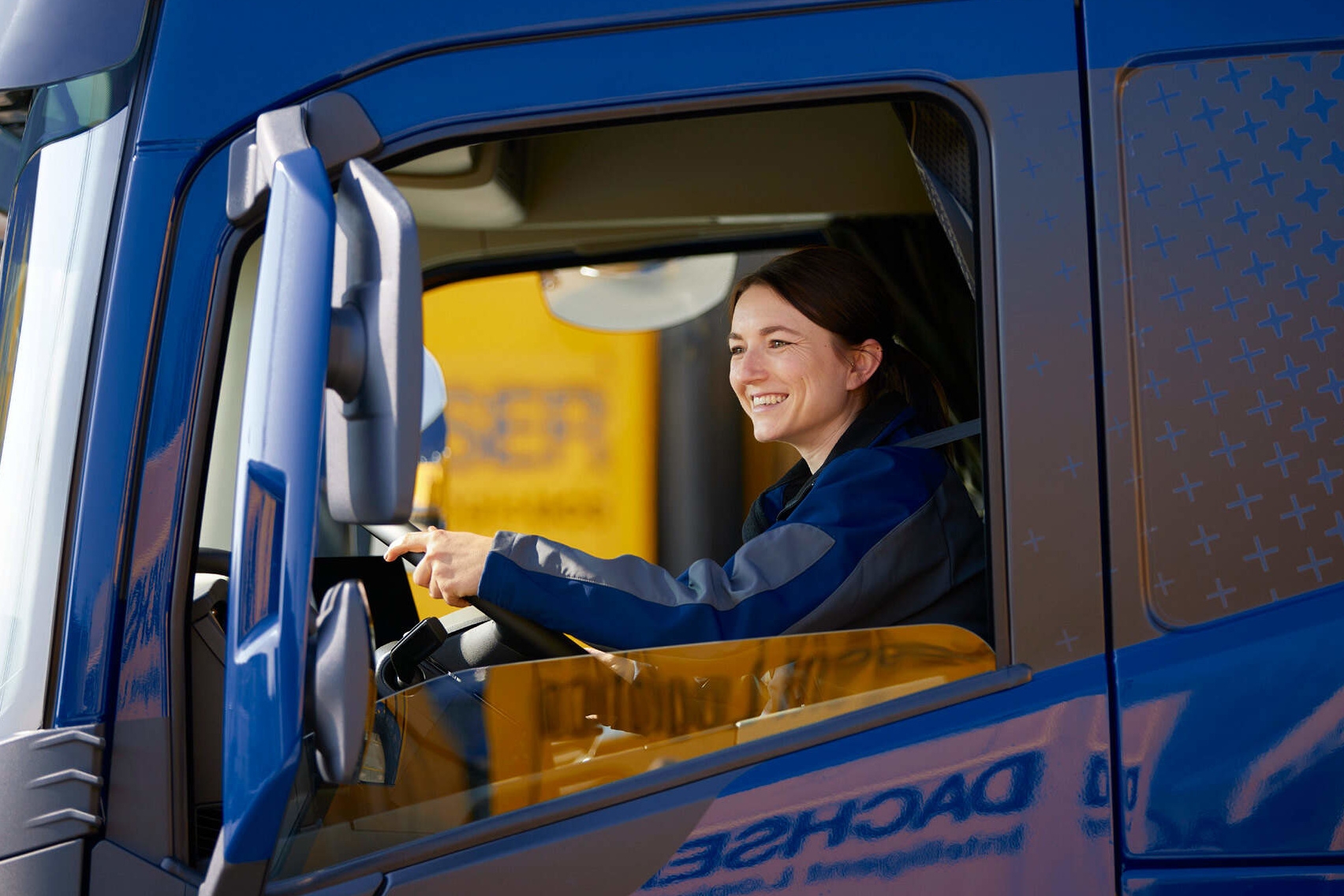
Undoubtedly, this is one of the most important professions in the country – without drivers, as well as logistics, the wheels of the economy would literally stop turning, which would result in, among other things, empty shelves in supermarkets and shopping centers. Even more alarming are the findings of the International Road Transport Union (IRU), according to which Poland is one of the countries with the highest driver shortage, reaching 80,000 people, which accounts for 11% of unfilled vacancies. On a European scale, as many as 62% of carriers admit that they have serious problems recruiting people to drive their trucks.
The main reason for the growing problem of driver shortages worldwide is demographics – a lack of replacement and an aging society. The situation is not improved by the low prestige and attractiveness of the profession, as well as difficult working conditions and inadequate infrastructure, which further discourages potential candidates.
– We cannot allow the current driver shortage problem to worsen – warns IRU Secretary General Umberto de Pretto. – Forwarders are doing their best, but governments and relevant authorities must increase efforts to improve working conditions and access to the profession.
What actions is the industry taking to reverse this trend and make the driver’s job more attractive and satisfying?
Testing the job description
Umberto de Pretto’s words set the agenda for decision-makers. However, to continue providing customers with reliable and predictable transport and logistics services, freight forwarding companies must also adapt. The following questions come to the fore: How to recruit young people to the driver profession? How to “refresh” the job description, which is often perceived negatively, and make it more attractive? How to increase mutual trust and recognition for people “on the road”? How can we present increasingly high requirements as exciting professional challenges? And finally, how can we start individual, targeted training activities that will ultimately be scalable and thus pave the way to ending the driver shortage?
As early as 2014, DACHSER was one of the first companies to start taking action to solve the driver shortage problem.
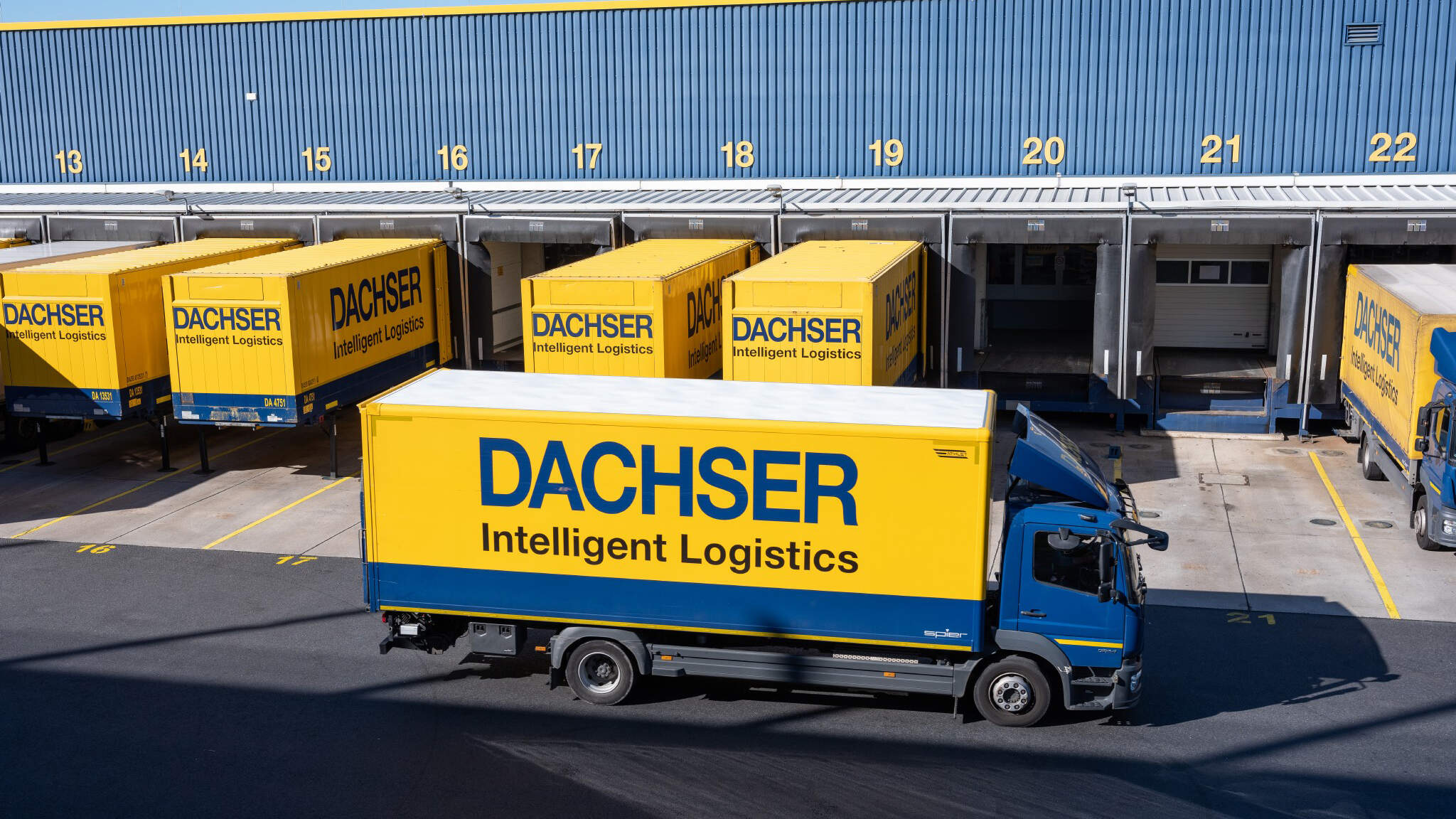
Although the European leader in groupage transport and contract logistics does not own its own fleet of vehicles, preferring instead to work with independent transport companies, it took the initiative ten years ago and launched a qualification improvement program, establishing DACHSER Service und Ausbildungs GmbH. The subsidiary’s goal is to encourage young people to enter the driver profession, inspire them, train them, and secure them in the market for the long term – perhaps in the future they will become transport service providers themselves.
Recruiting and motivating drivers
Since then, DACHSER has qualified over 100 trainees as professional drivers every year. Furthermore, DACHSER Service und Ausbildungs GmbH has refined the TQ1 truck driver training and taken a close look at all processes related to the world of drivers. To meet their specific needs, fleet managers have been hired at DACHSER branches.
At DACHSER, the principle has always been: “Logistics is people business”. It is based on the belief that every employee at every level of the business is important and deserves to be appreciated. For professional drivers, this type of recognition and work culture is expressed not only in modern, pleasant workplaces. The foundation is ensuring that the truck and the driver’s cab are equipped with state-of-the-art technology and ergonomics. Additionally, it is important to support employees in maintaining healthy habits – such as a balanced diet, exercise, and addiction prevention – despite the demanding work.
Moreover, drivers themselves have a key role to play on the path to more sustainable logistics processes. Studies show that proper training can reduce fuel consumption and CO2 emissions by up to 14%. DACHSER drivers’ participation in sustainability efforts does not end there. Trainees participating in DACHSER training systematically have the chance to drive electric delivery vans and e-trucks, which the company is increasingly using in short- and long-haul transport. Engagement in modern forwarding initiatives allows new drivers to earn the title of “first movers” and gain greater confidence that they are on the right path.
Stimulating imagination through innovation and technology
Logistics projects such as “Drive”, a BASF innovation in Ludwigshafen, Germany, aimed at reducing truck travel time, are also attractive from the perspective of young talent. Using new digital processes and RFID technology, the project saved about 30 minutes at the plant entrance and optimized loading processes. For drivers, this means less time wasted waiting and more time behind the wheel. At the same time, it makes drivers aware that their actions are part of a larger context and a factor in common success. This is extremely motivating for all parties involved.
DACHSER regularly conducts comprehensive value stream analyses at its branches. These help to understand the potential for further development of the truck driver job profile and enable the identification of optimization measures. These studies always take into account the drivers’ concerns and their opinions.
Cultivating a spirit of partnership
DACHSER goes a step further. A task force was recently created with the goal of ensuring sufficient transport capacity even during peak hours. Drivers employed in this area work temporarily for DACHSER’s transport partners and support specific branches as needed. The logistics operator has also created a service partner initiative, which brings together employees from the company’s headquarters, regional headquarters, and branches to optimize cooperation in a spirit of mutual respect. As part of the initiative, coordinators were appointed, among others, who, together with transport partners, promote service quality at the interface of strategy and operations. The first steps in this direction have already been taken and are being implemented in all European countries where DACHSER is represented through its own branches.
Even if the various, interconnected initiatives and projects are not enough on their own to solve the structural and global problem of driver shortages, they clearly set a concrete direction for change. Sustainable logistics will be determined primarily by quality – both of services and of the people who provide them every day.
Source: DACHSER