








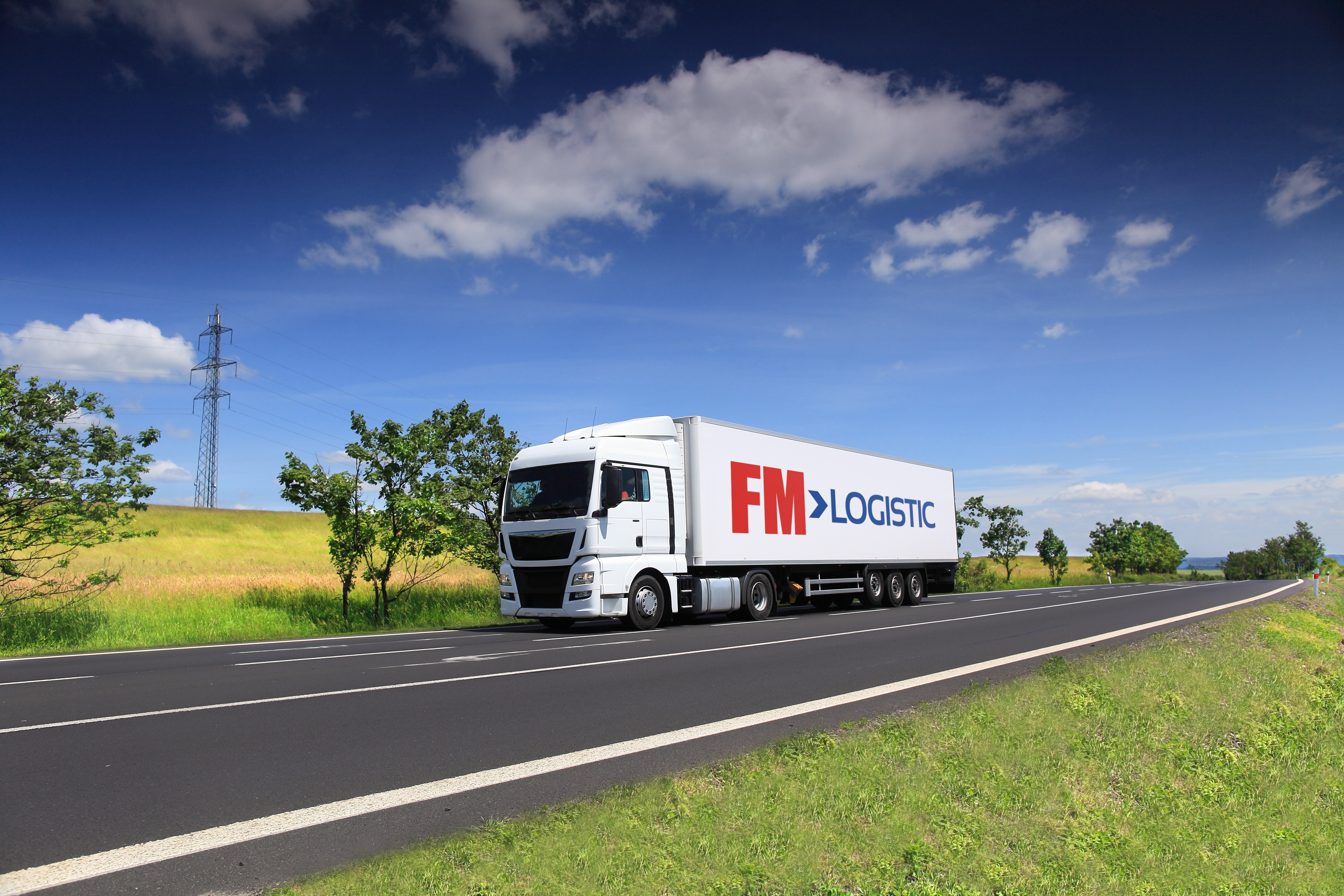
A convenient location at the crossroads of trade routes and a well-developed road and rail infrastructure make Hungary an important point on the transport map of Europe. In recent years, this country has also become an important trading partner for Poland. According to data from the Ministry of Economic Development and Technology, the trade balance between Poland and Hungary has been systematically growing, reaching a value of almost 14 billion euros in 2022, which represents a 20 percent increase compared to 2021. [1] Lively trade translates into more cargo, which in turn affects the transport sector in the entire Central European region.
Polish-Hungarian trade relations are gaining momentum
The commencement of operations of the Polish-Hungarian Chamber of Commerce in Warsaw and Budapest in 2019 intensified the existing economic cooperation between the two countries. In 2022, Polish exports to Hungary amounted to 8,819 million euros and accounted for 2.57 percent of our country’s global exports, while exports from Hungary to Poland amounted to 5,072 million euros and increased from 4,402 million euros in 2021[2]. The transport of goods between the countries takes place mainly using well-developed road infrastructure, which, combined with the short distance, enables efficient distribution of goods to their destinations.
– The trade balance between Poland and Hungary remains favorable for us, which means that shipments leave Poland more often. Especially in the last two years, we have noticed a large increase in shipments from our country’s territory. We recorded the biggest jump between 2022 and 2023, when the number of shipments increased by 15 thousand. In 2024, by October alone, we had completed almost 27 thousand deliveries to Hungary. In turn, we are recording year-on-year declines in the number of shipments from Hungary to Poland. Four years ago, over 2 thousand shipments arrived in our country, while last year this number fell to 1,800. The commodity structure of trade remains stable, however, and the dominant products are electrical machinery, metallurgical, chemical, and agri-food products. As for the transports carried out by us, these are most often FMCG products, cosmetics, clothes, and toys – says Adrian Gradowski, Director of International Transport at FM Logistic Central Europe.
The importance of Hungary in European transport
In recent years, the importance of Hungary in European trade relations has also increased. The Hungarian economy is one of the most open in the world,[3] and exports account for 85 percent of the national GDP. According to the Polish Investment and Trade Agency, Hungary’s GDP grew by 5.9 percent between 2019 and 2022, and current data indicates it is around 182 billion dollars. This places Hungary in 55th place globally in terms of economic size and 17th in the European Union. Thus, Hungary accounts for 1 percent of its total GDP.
The European Commission’s decision in 2024 to include the country in the Baltic-Adriatic Transport Corridor also contributed to the growing importance of Hungary on the European market. A large part of this is undoubtedly due to its geographical location at the intersection of North-South and East-West transport routes. No less important, however, is the very well-developed rail and road system, thanks to which transport is carried out very efficiently.
– Hungary plays a major role not only in the context of economic exchange with Poland, but also in terms of transport in the entire Central European region. It is an important hub on North-South routes, as well as a bridge on the Europe-Asia line. It is also an important point in the network of FM Logistic’s Central European connections. In recent years, carriers have been affected by the complicated and high Hungarian toll, which was increased in 2023. However, the importance of Hungary in trade will grow, and the increasing number of orders should offset the higher costs – adds Adrian Gradowski from FM Logistic.
According to European Commission forecasts, Hungary’s GDP grew by 0.5 percent in 2023. Forecasts for 2024 indicate a growth of 2.5 percent, which shows that the country’s economic potential is still high, and consequently, the good trade relations maintained by Poland may also positively affect our trade turnover.
Source: FM Logistic Central Europe
[1] Ministry of Economic Development and Technology: Information on the economic situation and economic relations with Poland
[2] Trade.gov.pl https://www.trade.gov.pl/wiedza/polak-wegier/
[3] Polish Investment and Trade Agency – Foreign Markets