








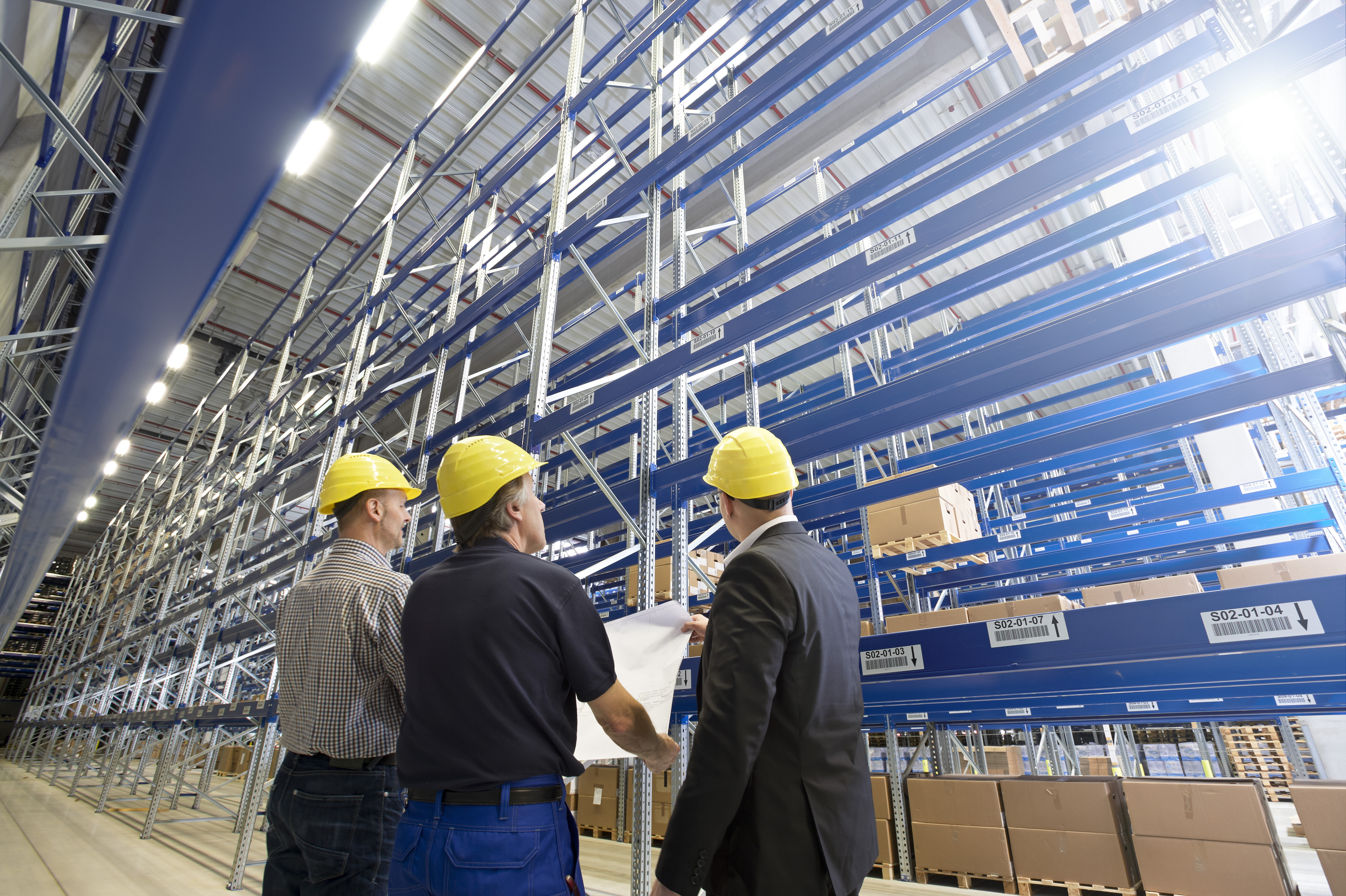
According to the latest data from Statistics Poland (GUS), in the first half of this year, nearly 2,800 people were injured in workplace accidents in the transport and warehousing sector. This is 169 more than in the same period of 2023. This increase, although seemingly small, prompts employers to implement further preventive measures and improve safety management systems. Health and safety training, investments in technology, or employee education – what is the key to reducing risk?
Poles spend an average of 39.3 hours a week at work, placing them among the top European Union countries in terms of the longest working nations.[1] Regardless of whether work is performed in an office, factory, warehouse, or construction site, every place carries risks that can affect health and life. Workplace accidents are still surprisingly frequent – in the first half of 2024 alone, as many as 30,400 victims were reported, which is a 7.2 percent increase compared to the same period in 2023. The transport and warehousing industry ranks 5th in terms of the number of accidents, with nearly 2,800 people injured in the first half of this year.[2]
Employees working in warehouses and at loading and unloading ramps are particularly exposed to accidents. Additional risks are associated with improperly secured cargo, which can shift or fall, creating danger for both employees and equipment. In the case of warehouse work, accidents involving forklifts occur most frequently. Their causes are predominantly collisions and impacts, being crushed by a forklift or its working equipment, and being run over.
Proper preparation is paramount
– Proper preparation and safeguards are crucial. At Geis, we place great emphasis on adhering to safety rules to avoid both accidents and so-called near misses, which could lead to them. We ensure that vehicles in the warehouse area move at a maximum speed of 5 km/h and that employees use only designated routes, exercising extreme caution. Additionally, the installation of spherical mirrors and Blue Spot lamps are proven solutions that effectively warn of approaching forklifts, increasing safety – says Renata Łatkowska, Head of the Health, Safety, Fire Protection, and Environmental Protection Department at Geis PL.
Health and safety specialists play a key role in ensuring safety in companies. Their work covers a wide range of activities, from identifying hazards and advising employers on how to organize work safely, to monitoring compliance with regulations. In this way, employees learn to recognize dangerous situations and know how to react when something goes wrong. As a result, instead of viewing training as a necessary evil, they begin to understand that it is an important tool that helps them protect themselves and their colleagues.
The 5S approach, which is one of the basic elements of effective workplace order management, can be useful in adhering to health and safety rules. Its primary goal is to create and maintain a well-organized and safe workstation in 5 steps, which include: sort, set in order, shine, standardize, and sustain. Implementing the method brings a number of benefits such as increased safety, efficiency, workplace ergonomics, improved processes and work pace, improved technical condition of machines, or improved internal communication. Introducing this method does not generate additional costs, making it possible to incorporate it into any organization.
Safety at the forefront
– Employers must put safety first by investing in appropriate training, regular health and safety audits, and modern equipment. A key element is also building awareness among employees so that they are aware of the risks and know how to avoid them. At Geis, we organize a Safety Week, during which we remind and educate employees about health and safety rules. Understanding the rules of safe movement in loading zones, proper use of forklifts, and taking care of the technical condition of machines are the foundations that allow for effective prevention. Providing clear procedures and following them in daily work can reduce the number of dangerous incidents – says Renata Łatkowska, Head of the Health, Safety, Fire Protection, and Environmental Protection Department at Geis PL.
Taking care of proper preparation, using personal protective equipment, controlling vehicle speed, and using designated pedestrian routes significantly minimize the risk of accidents. Awareness and adherence to these rules are the basis for making daily work not only efficient but also safe for everyone.
[1] Where do people work the longest in the EU? Poland in the lead – Businessinsider.com.pl
[2] Data source: Statistics Poland (GUS)
Source: Geis Group