









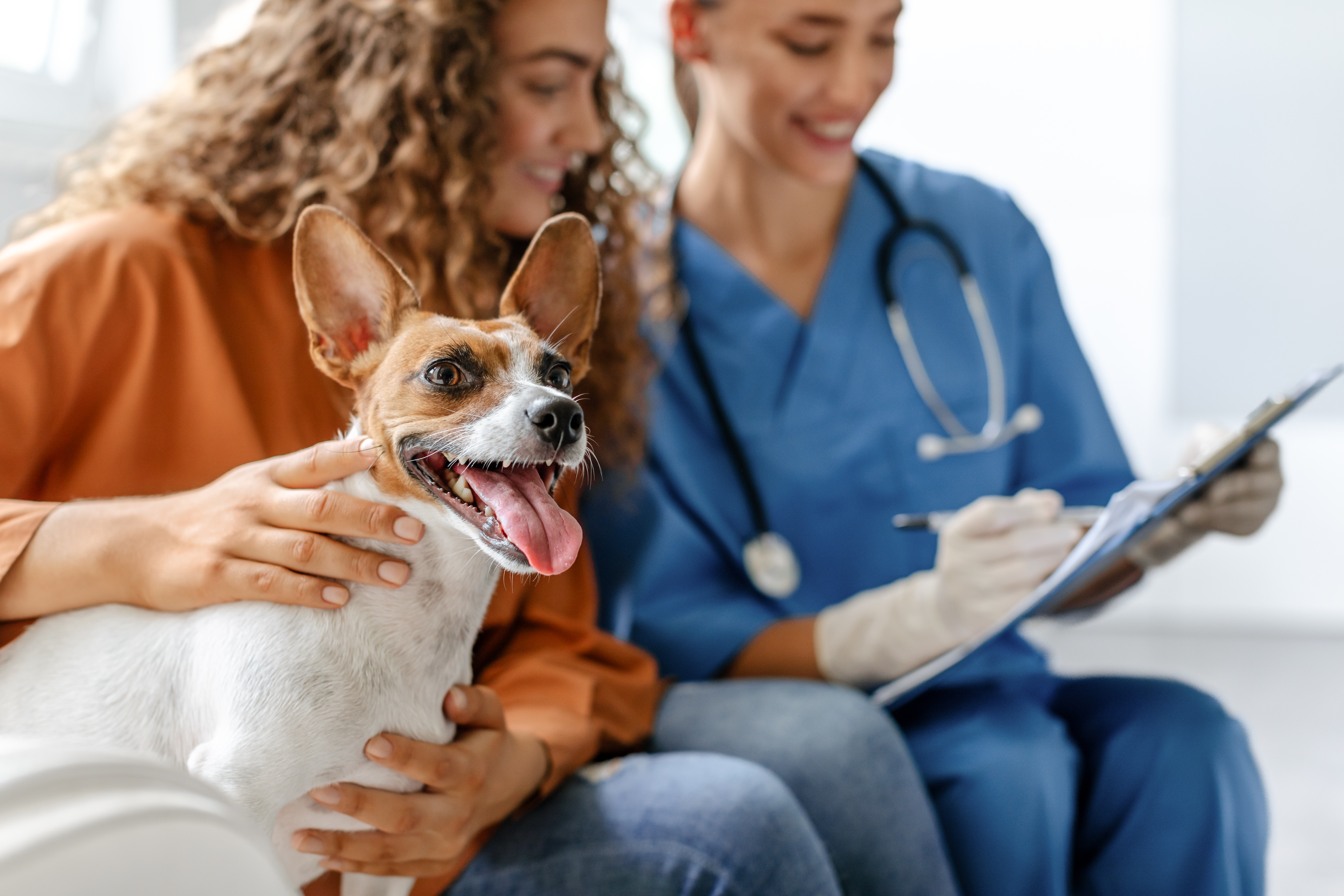
More and more people are choosing to have pets, which goes hand in hand with the growing awareness of owners regarding the health of their animals. The logistics of veterinary medicines is becoming an important aspect of the pharmaceutical market. However, the delivery of these products involves many challenges that must be met to ensure the safety and effectiveness of the medications administered to animals.
According to a CEESA report, the European veterinary medicine sector accounts for approximately 3% of the European pharmaceutical industry. However, health and animal requirements mean that the pharmaceutical logistics of veterinary products is constantly increasing. Medicines for animals, just like those for humans, require specialized storage and transport conditions, as well as compliance with strict pharmaceutical regulations. What procedures should be implemented to ensure their safety and effectiveness?
Veterinary logistics vs. human pharmaceutical logistics
Although pharmaceutical logistics for the human and veterinary sectors are based on similar principles, there are some differences that must be taken into account when planning the delivery of individual medications. Both the transport of medicines for humans and for animals is subject to strict safety regulations, including Good Distribution Practice (GDP). The primary challenge in the case of veterinary medicines, however, is the diversity of their recipients. These include veterinary pharmaceutical wholesalers, veterinary clinics, research units, and veterinary inspectorates, each of which has its own specific logistical needs.
– The first key element of veterinary logistics is appropriate warehouse infrastructure – explains Joanna Mazur, manager of the veterinary pharmaceutical wholesaler Pharmalink. – That is why our company has warehouse facilities that ensure appropriate storage conditions for veterinary medicinal products in accordance with requirements, both in terms of the cold and warm chain. We have separated and appropriately adapted rooms for storing narcotic drugs, psychotropic substances, and feed. We also have seven chambers located in different regions of the country, which enables safe transshipment and fast delivery of shipments. All this influences the safety of veterinary products in the logistics process – adds the expert.
Specific transport requirements for veterinary medicines
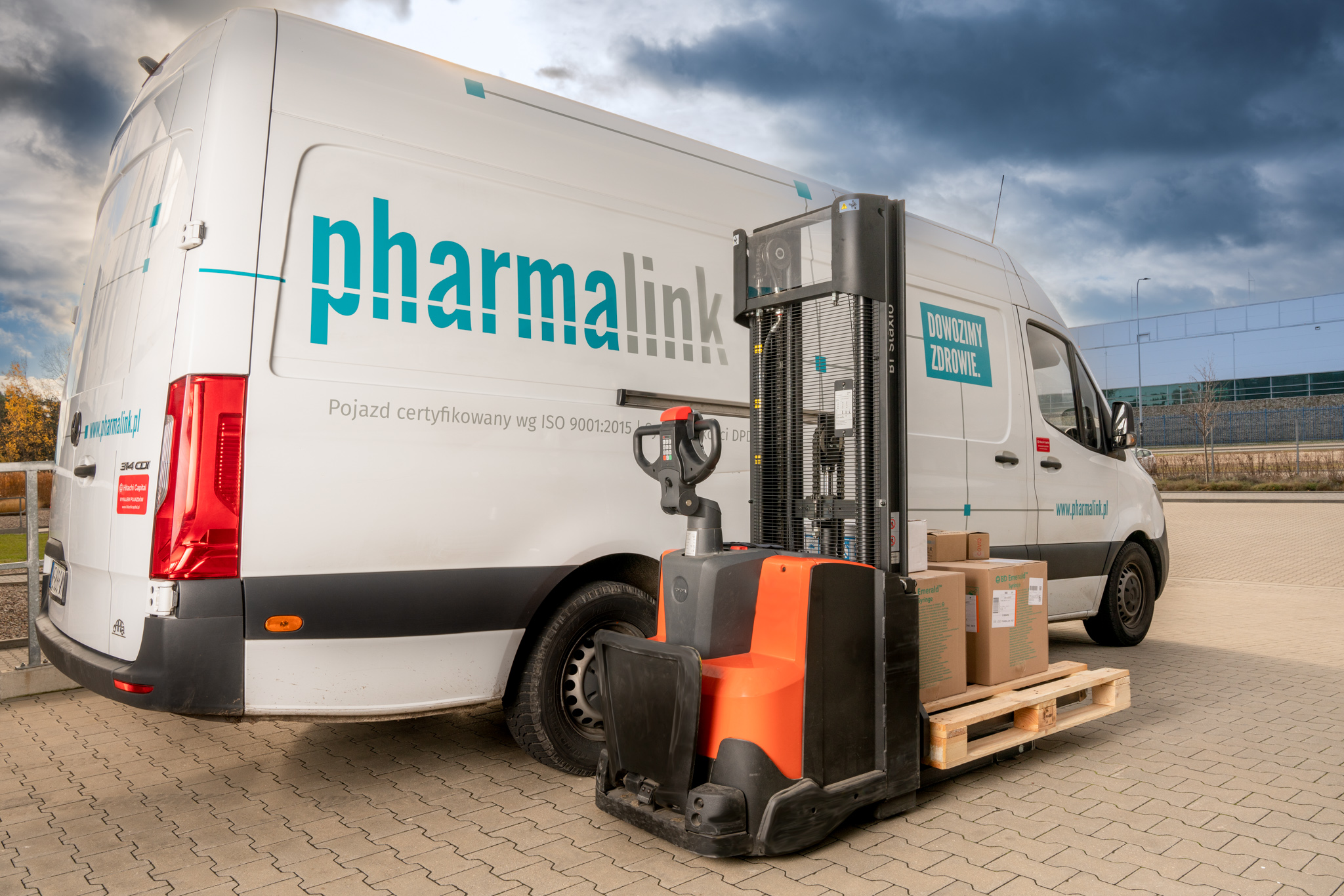
The second key element of the logistics process, necessary to ensure the safety of veterinary products during their journey from the sender to the final recipient, is transport. The transport of veterinary products requires maintaining appropriate temperature conditions to ensure the safety and effectiveness of the medications later administered to pets. Logistics companies specializing in the transport of medicines for animals must have a fleet of vehicles that meet strict standards, as well as possess appropriate documentation confirming the efficient operation of the devices installed in them. Each of the vehicles used in distribution should be properly equipped with temperature monitoring systems and allow for the protection of transported products against damage and contamination. Furthermore, it is necessary to optimally plan the travel route so that the medicines reach the recipient in the shortest possible time.
– Our means of transport are vehicles equipped with, among other things, refrigeration units enabling the maintenance of cold chain continuity, as well as equipment for monitoring and recording temperature conditions, which is essential for maintaining the effectiveness of medicinal products for animals. All this influences the safety of veterinary products throughout the entire logistics process – summarizes Joanna Mazur from Pharmalink.
The transport of veterinary medicines, especially over longer distances, can be carried out by land, air, or sea. Air transport, although faster, is often associated with higher costs and the lack of the ability to fully control temperature conditions. Therefore, road transport remains the most frequently chosen form of transport for veterinary medicines, especially on domestic routes. In the case of international transport, refrigerated sea containers are also used, which allows for maintaining appropriate conditions.
Safety and documentation – an essential element of logistics
Every transported veterinary medicine must be covered by strict transport documentation. It contains information necessary for proper transport, such as: temperature, sender and recipient details, or annotations regarding products requiring special transport conditions, such as controlled substances. This type of data is necessary to ensure full control over the quality of the transported products.
– We use advanced temperature monitoring systems and also take care of accurate transport documentation to ensure that the medicines retain their properties until they reach the recipient – emphasizes Joanna Mazur, a Pharmalink expert.
Moreover, regulations and logistics procedures impose requirements on carriers regarding the vehicle, its technical and sanitary condition, equipment, and cleanliness. Carriers are obliged to carry out regular inspections, maintenance, and calibration of recorders to ensure constant monitoring of transport conditions. Thanks to this, it is possible to maintain appropriate conditions and the required temperature for veterinary medicines, which guarantees their effectiveness and safety. Personnel involved in transport also undergo training in emergency procedures, which allows for proper response in crisis situations.
The logistics of veterinary medicines, although in many aspects similar to the logistics of human medications, requires adaptation to the specific needs of the veterinary market. Maintaining appropriate transport conditions, special care for the cold supply chain, and strict control of documentation are key elements guaranteeing the safety and effectiveness of medicinal products for animals. In the face of the growing number of pets and the increasing awareness of owners, proper veterinary logistics is becoming an indispensable element of the pharmaceutical market, which requires continuous investment in infrastructure, knowledge, and modern transport technologies.
All this provides a guarantee that the medicines reach the recipients in an intact state, which is crucial for ensuring their safety and effectiveness. Logistics operators take all measures to maintain appropriate storage and transport conditions throughout the entire chain – from the moment the product leaves the manufacturer’s warehouse until it is delivered to veterinary pharmaceutical wholesalers, veterinary clinics, and other recipients.
Source: Pharmalink