








The transport, logistics, and forwarding market plays a key role in the global economy, and its importance is constantly growing in the face of dynamic technological and social changes. Currently, this sector is facing challenges that force changes in the way many companies operate. On one hand, consumer expectations are rising, and on the other, the industry must deal with issues such as labor shortages, rising operating costs, and pressure to meet sustainability goals.
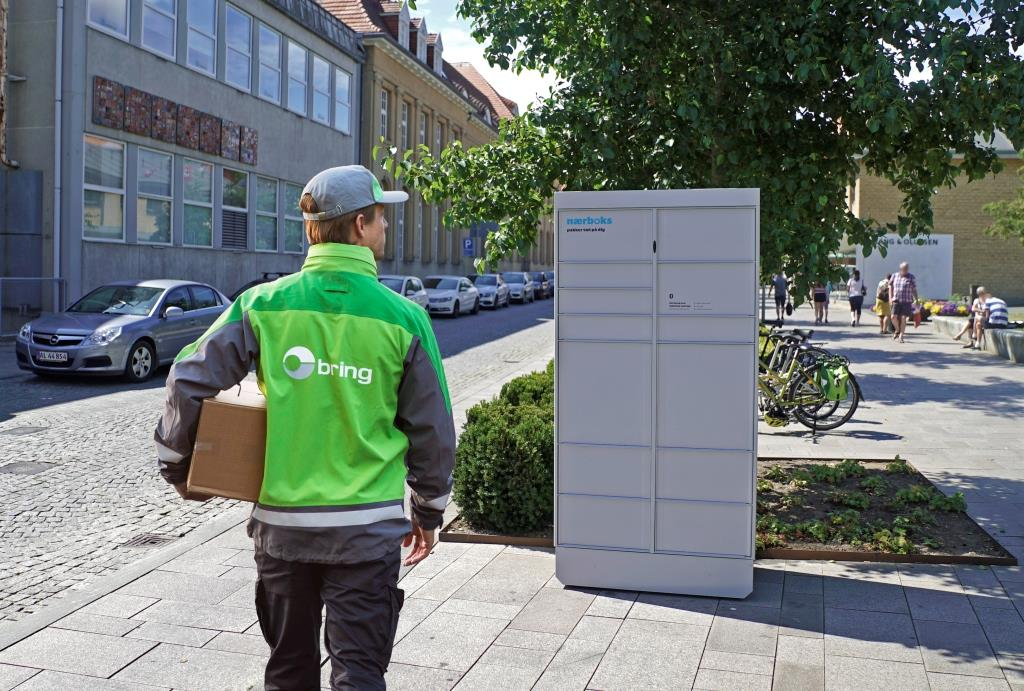
One of the most important challenges facing the logistics industry today is the growth of e-commerce, which has changed the way consumers shop and expect their ordered goods to be delivered. Customers are increasingly demanding flexible and fast delivery options, which forces logistics companies to adapt to new service standards. As a result of the COVID-19 pandemic, online shopping has become a daily routine, which in turn has caused a rapid increase in the volume of shipments that must be delivered quickly and effectively to recipients. In this reality, parcel lockers provide an effective response to growing consumer expectations. They allow for the collection of shipments at a time convenient for customers, eliminating the problem of having to wait for a courier. Outdoor lockers, available 24/7, provide a convenient way to pick up packages, which allows logistics companies to deliver shipments faster while reducing operating costs.
Searching for new technological solutions
Another significant challenge facing the logistics industry is the shortage of workers. As data from the ManpowerGroup report shows, as many as 75% of Polish logistics companies have difficulty recruiting staff, including drivers and warehouse workers. This problem is deepening due to increasing requirements regarding the speed of delivery, which forces companies to look for new technological solutions that can automate some processes. Parcel lockers are one such solution that allows for a reduction in the number of employees needed to handle shipments. Automating the process of delivering packages to a single collection point, instead of to individual recipients, allows for more effective use of human and technological resources.
It is also impossible to ignore issues related to environmental protection and sustainable development. An increasing number of transport and logistics companies are trying to meet requirements regarding the reduction of carbon dioxide emissions and other pollutants in order to join global efforts to limit climate change. Road transport, which dominates the delivery sector, is one of the largest sources of CO2 emissions. Therefore, companies are looking for ways to optimize delivery routes, reduce the number of trips, and introduce electric vehicles. Parcel lockers play a significant role here, allowing for the delivery of many packages to a single point, which limits the need for multiple trips. Optimizing the route of a courier who has to serve only a few lockers, instead of hundreds of individual addresses, contributes to the reduction of exhaust emissions and lower fuel costs. In the long term, parcel lockers can help companies achieve their sustainability goals and improve their ESG performance.
The future marked by revolution
Automation of logistics processes is the direction in which the industry is heading to meet growing market demands. However, the development of technology does not end with parcel lockers alone. Integration with modern solutions, such as the Internet of Things (IoT) or artificial intelligence (AI), can further increase the efficiency of the logistics sector. In the future, parcel lockers may communicate with autonomous delivery vehicles or drones, which will allow for even greater automation of the shipment delivery process. Although these technologies are still in the development phase, their implementation in combination with parcel locker networks could revolutionize the way deliveries are carried out.
Undoubtedly, the future of the logistics industry will be closely linked to further automation and digitization of processes. Parcel lockers are already becoming a standard in many countries, and their role will grow as companies look for new ways to improve operational efficiency and reduce costs. In Poland, such solutions are enjoying growing popularity – according to research, as many as 68% of consumers prefer to pick up packages from parcel lockers, which indicates their high market acceptance. In the face of challenges related to rising operating costs, staff shortages, and the need to reduce the carbon footprint, parcel lockers provide a real answer to the needs of modern logistics companies. They offer a number of benefits, such as lower delivery costs, reduced CO2 emissions, improved operational efficiency, and increased convenience for consumers. Combined with other modern technologies, logistics automation will become an inseparable element of the future of the transport and forwarding sector, contributing to the construction of a more efficient and sustainable delivery system.
Source: SwipBox Poland