








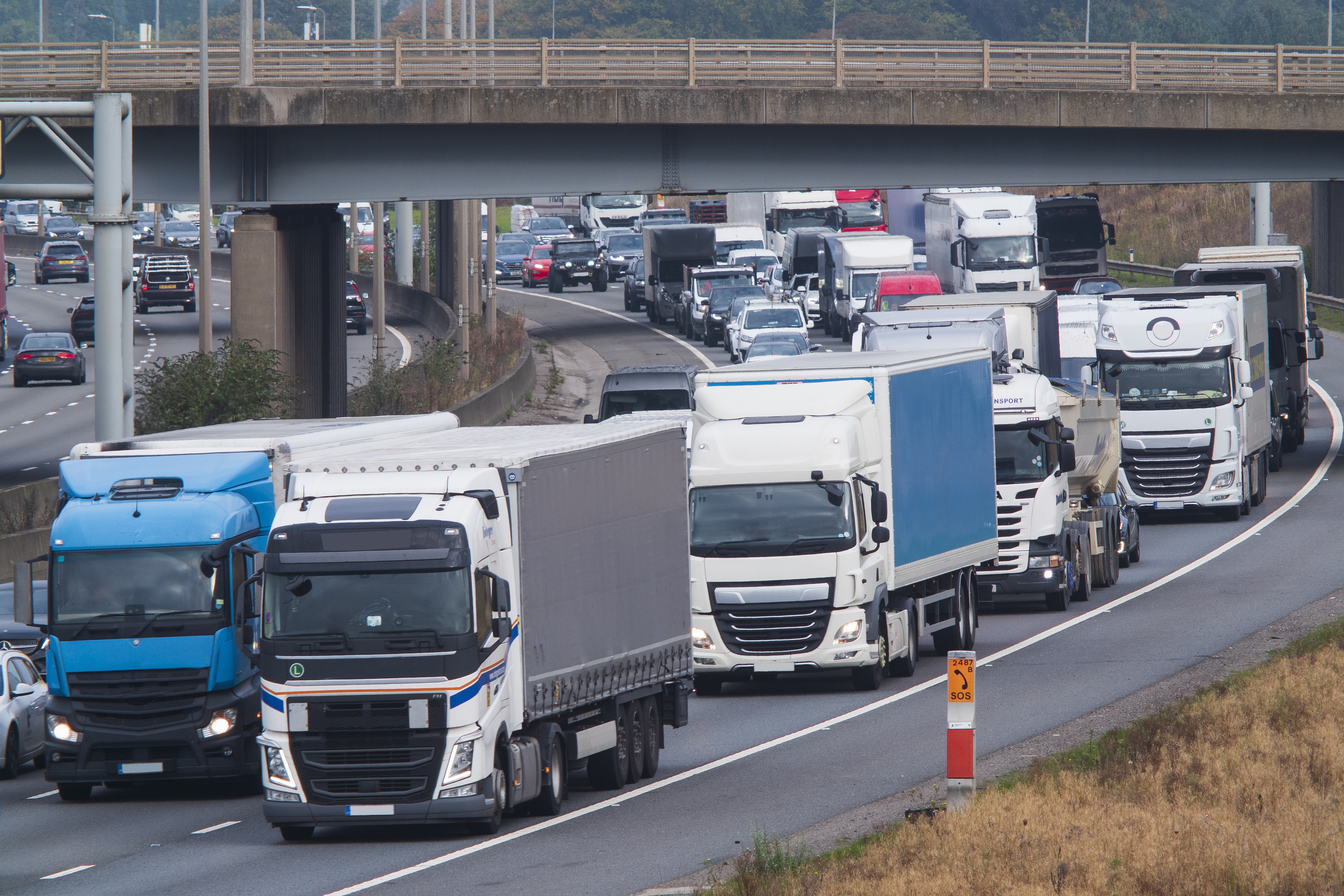
Credit or leasing are not always the only ways to finance a company fleet. Following the model of Western countries, rental is gaining increasing importance among Polish companies. A study commissioned by EFL shows that 9% of SMEs have used this solution. Manufacturing companies (25%), transport companies (16%), and logistics companies (14%) rent vehicles most often. No impact on creditworthiness, service support, and full insurance for the duration of the contract are the benefits most frequently recognized by entrepreneurs in rental.
– Among Poles, including entrepreneurs, a greater desire to own rather than rent still dominates. However, numerous studies and our experience clearly show that representatives of the youngest generations, primarily Gen Z, increasingly have a different approach to ownership and an awareness of the benefits of renting. They view this solution as an option for greater benefits than purchasing for ownership. They are the so-called post-millennials who were born in a globalized world. They do not need to own a car; they prefer to use Uber or car-sharing. This also translates into their approach to business management, including the issue of ownership of company fixed assets. Furthermore, the socio-economic environment, which often forces certain behavioral changes, is also significant. This was clearly visible during the pandemic and after the outbreak of the war in Ukraine, when, due to supply chain disruptions, the prices of vehicles and machines rose at a dizzying pace, and in many cases, selected models were unavailable or the waiting time for them was several to a dozen months. At that time, many entrepreneurs were looking for new forms of investment financing, and rental was an attractive option then – says Radosław Woźniak, President of the Management Board of EFL.
Manufacturing companies rent most often
The study commissioned by EFL shows that over the last 3 years, 9% of micro, small, and medium-sized enterprises have rented a company vehicle. The smallest entrepreneurs employing up to 9 employees used this solution the least (4%), while small companies used it the most (16%). Among medium-sized ones, the percentage is at the level of the entire sector (9%).
Taking into account industries, rental has the most supporters in manufacturing. Every fourth company in this sector rents a vehicle (25%). In the case of transport, the percentage of renters is 16%, and in logistics – 14%. Construction, trade, and services are industries that have not yet been particularly convinced by rental – here the percentage of those using this solution is 5% or less.
The future looks similar to the present. Every tenth SME company (10%) plans to use rental in the next 3 years. And it is also manufacturing (23%), transport (16%), and logistics (10%) companies that most often make such a declaration.
A long list of benefits for everyone
Thanks to rental, companies have more capital and time to conduct their core business, and fewer surprises that may catch them off guard in the future. This is how the benefits associated with the rental solution can be summarized. The EFL study shows that 32% of companies pointed to no burden on the company’s balance sheet and creditworthiness, 31% of companies to service support for the entire duration of the contract, and also 31% of companies to access to a vehicle without the need to commit funds for its purchase and the fact that rented vehicles are insured and the client does not incur any additional costs.
Taking a closer look at individual industries – “when in Rome, do as the Romans do.” Transport companies most often point to no burden on the company’s balance sheet and creditworthiness (47%), logistics companies to access to a vehicle without the need to commit funds for its purchase (48%), and manufacturing companies to the fact that rented vehicles are insured and the client does not incur any additional costs (29%).
Methodology:
The study was conducted on behalf of EFL on the Ariadna panel on a nationwide sample of N=311 representatives of micro, small, and medium-sized enterprises. The respondents were people managing the company or members of the top management. Implementation period: August 20 – 30, 2024. Method: CAWI.
Source: EFL S.A