








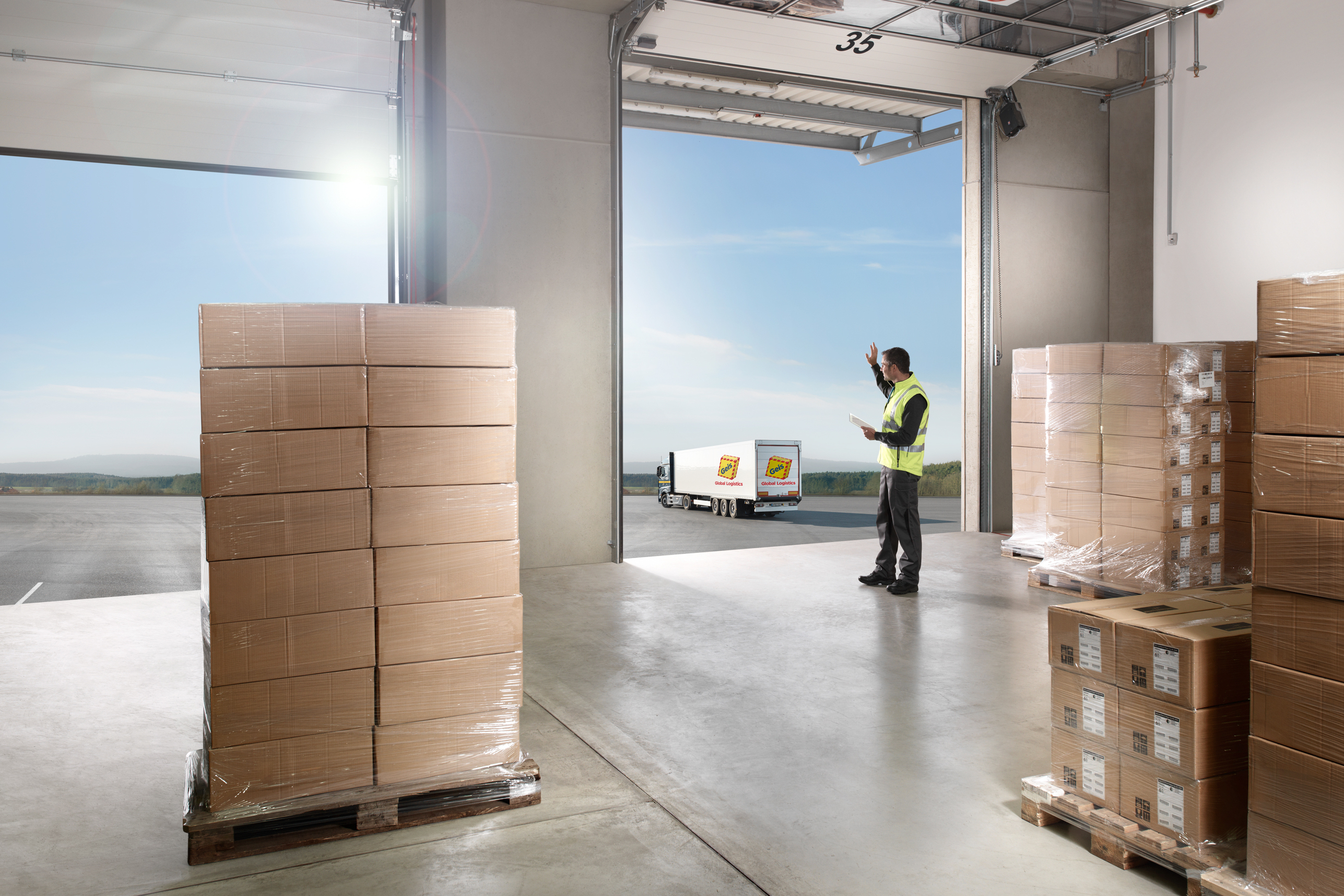
The growing interest in physical activity leads to an increasing demand for sports equipment, such as treadmills or stationary bikes. For shipping companies, this means the need to adapt services to the specific requirements associated with transporting large devices. A proper approach not only improves the quality of services provided but can also significantly increase competitiveness.
According to the MultiSport Index 2023 study, 64 percent of Poles are physically active at least once a month, and 48 percent exercise at least once a week. The most common forms of physical activity include cycling (35 percent), running or jogging (31 percent), and gym and fitness classes (31 percent), which have increased in popularity by 11 percentage points year-on-year. Many people also choose to lead an active lifestyle in the comfort of their own homes. This trend gained particular momentum during the pandemic, when significant restrictions were in place regarding movement and the use of public spaces, including gyms. Currently, home exercise is a good alternative for people who do not have enough time or serves as a supplement to other activities.
Home workouts are often supported by the purchase of specialized sports equipment, such as treadmills, dumbbells, or stationary bikes. In this situation, logistics companies are expanding their offerings to include the transport of sports equipment, which requires not only appropriate technical facilities but also high-quality security measures. Transporting large and heavy devices is a challenge because it is necessary to use specialized protective materials to ensure their safe arrival to customers.
– Transporting sports equipment, especially large-sized items, requires precision in operations and the experience of a logistics partner’s team. The devices are usually heavy, bulky, and at the same time delicate, which means that even minor damage can significantly affect their functionality. It is therefore crucial to adapt transport to the specific needs of each piece of equipment, which includes using durable protective materials, properly preparing vehicles, and maintaining the highest standards of caution during loading and unloading. At Geis PL, we have experience in these types of deliveries. Our comprehensive approach ensures that we are able to deliver equipment in pristine condition, ready for immediate use – says Waldemar Jakubowicz, Branch Director at Geis PL.
It is not only the home or the gym where initiatives related to physical activity are developing. More and more companies are getting involved in promoting a healthy lifestyle among their employees. Regular activity affects not only physical condition but also well-being, reducing stress and increasing satisfaction. Employers, wanting to support their employees, are increasingly implementing various initiatives, such as cards providing access to fitness clubs, organizing sports activities on company premises, or creating employee teams that represent the company in sports events.
– Companies can effectively support employee physical activity by implementing programs that promote a healthy lifestyle in the workplace. Sports initiatives not only motivate regular activity but also foster team integration and improve the work atmosphere. As part of our efforts in this area, at Geis PL we offer employees internal sports programs such as: FITGeis and G-Race, through which we collect money for every kilometer, which we then donate to a Łódź-based foundation supporting children. We also look for events where we can participate as a team. Recently, teams from the entire Geis group took part in the largest charity relay race in Poland. Thanks to these activities, we see that employees become more engaged, satisfied, and efficient, which in turn positively affects the entire organization – adds Dorota Wójcik, HR Manager at Geis PL.
The upcoming autumn-winter season may somewhat discourage outdoor activity. Therefore, home exercise is gaining popularity, offering convenience and flexibility, which are particularly valued during this period. However, the increased interest in home training during this time is associated with logistical challenges, as the growing sales of sports equipment require efficient and safe transport of these devices. This places new demands on shipping companies, and suppliers and operators must adapt to the changing needs of consumers. Operators who effectively meet these challenges will have the opportunity to grow and strengthen their market position.
Source: Geis Group