








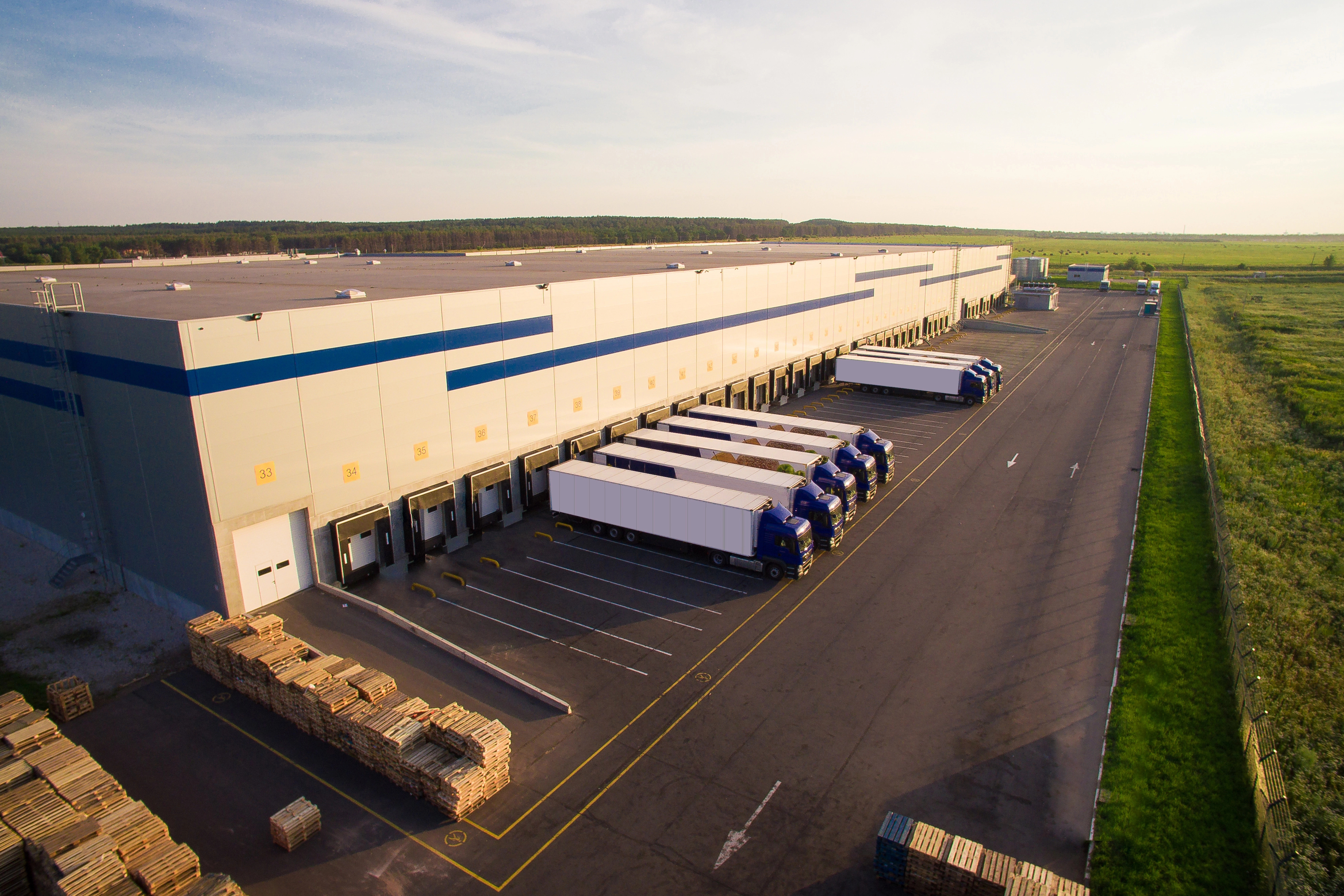
Logistics centers play a key role in the development of international business by providing supply chains with stability and transport efficiency, while also helping to bridge spatial and supply-demand gaps. Thanks to a wide range of solutions offered—from warehousing and value-added services to comprehensive transport handling—these centers often act as hubs in the logistics system. They not only optimize operations and supply chains but also directly contribute to companies achieving a competitive advantage and enabling their dynamic growth in the global market.
Logistics centers are specialized spatial facilities equipped with the necessary infrastructure to organize the flow of goods in such a way as to ensure their availability in the expected quantity, place, and time. The primary task of a logistics center is to store goods, thereby fulfilling an important function of ensuring product availability in the right quantity and at the right delivery time. Their role in supply chains is primarily based on eliminating the risk for recipients associated with limited availability resulting from production processes and the supply chain itself.
A logistics center is responsible for coordinating and optimizing a large portion of logistics processes, such as warehousing, order picking, and inventory management, but it can also influence transport processes and, consequently, distribution. Logistics centers act as a link between manufacturers, distributors, and retailers, influencing resource utilization and operational efficiency. Their number and locations have a fundamental cost impact on the supply chain. Proper planning has a direct impact on achieving a competitive advantage, economic results, and product availability. It is important to consider the availability and cost of human resources and their maintenance costs when designing them. Their location near major transport hubs and supporting infrastructure, such as sea or inland ports, airports, and railways, is also significant. Access to this infrastructure further increases their importance in global trade.
– Logistics centers, managed by logistics operators such as Geis, make it easier for both domestic and foreign companies to focus on their core business and seek market advantages related to their products. Offering efficient distribution through the use of logistics centers and distribution terminal networks opens up opportunities for companies to leverage the potential of a logistics operator specialized in handling large volumes of orders for many recipients at the same time. Companies can expand their sales markets in selected countries based on international logistics networks and the logistics centers they operate, without significant internal investments. In this case, the logistics operator handles comprehensive service, allowing companies to focus on building and expanding their customer base without worrying about order fulfillment processes – says Dr. Grzegorz Lichocik, Vice President of Geis PL.
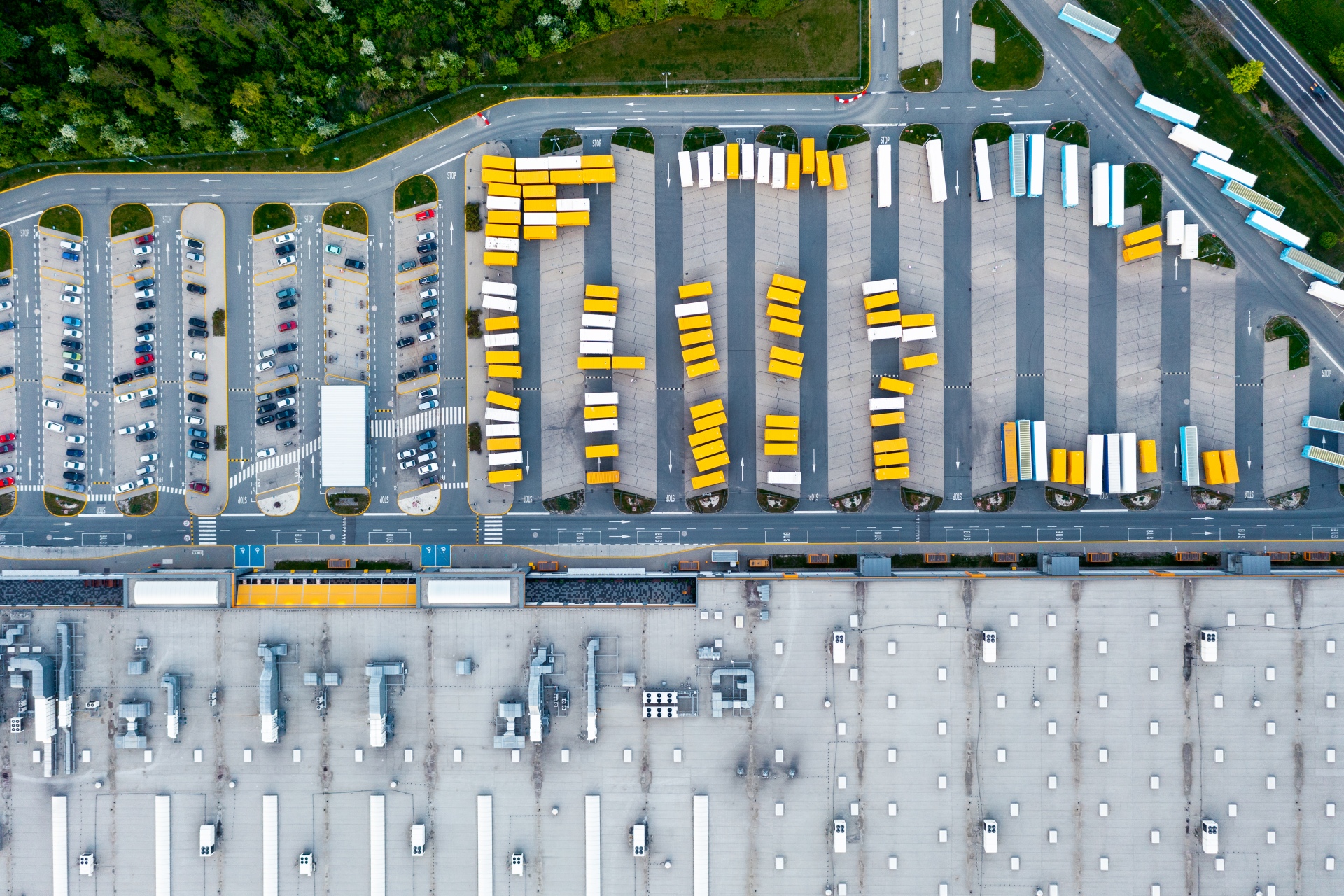
In addition, modern centers are increasingly using advanced automation technologies, such as warehouse robots, autonomous transport vehicles, and automatic sorting systems. These innovations significantly increase operational efficiency, reduce the risk of errors, and shorten order fulfillment times.
Some of them also use advanced IT systems that enable the collection and analysis of vast amounts of data, which allows for trend forecasting, inventory optimization, performance monitoring, and rapid response to changing market conditions. Big Data also plays a key role in better route planning and predicting potential disruptions, while advanced information technologies enable real-time supply chain tracking and management.
Logistics centers are also investing in sustainable solutions in response to global climate challenges and local environmental requirements. This includes, among other things, the use of renewable energy, waste management systems, and transport route optimization to reduce CO2 emissions. This is not only important for environmental protection but also allows companies to achieve their ESG goals.
Particularly important in international trade, centers can provide customs and regulatory services, which helps companies navigate complex international trade regulations. As a result, companies can effectively manage global supply chains, reduce operating costs, and shorten delivery times.
– Due to its location, Poland is a very attractive country for operating logistics centers. We are also the largest market in the region, which makes us a natural hub for logistics operations. Moreover, market leaders have noticed that thanks to significant modernization of transport routes, travel times have been shortened, which means that logistics centers can now operate for neighboring countries, offering the same goods flow services as they do domestically – adds Lichocik.
Logistics centers are today an extremely important element of the entire supply chain, allowing for the streamlining of the goods delivery process. It is predicted that in the coming years, these facilities will continue to develop in parallel with the progress of transport automation and innovative logistics management systems, which will further strengthen their role in global trade.
Source: GEIS PL