








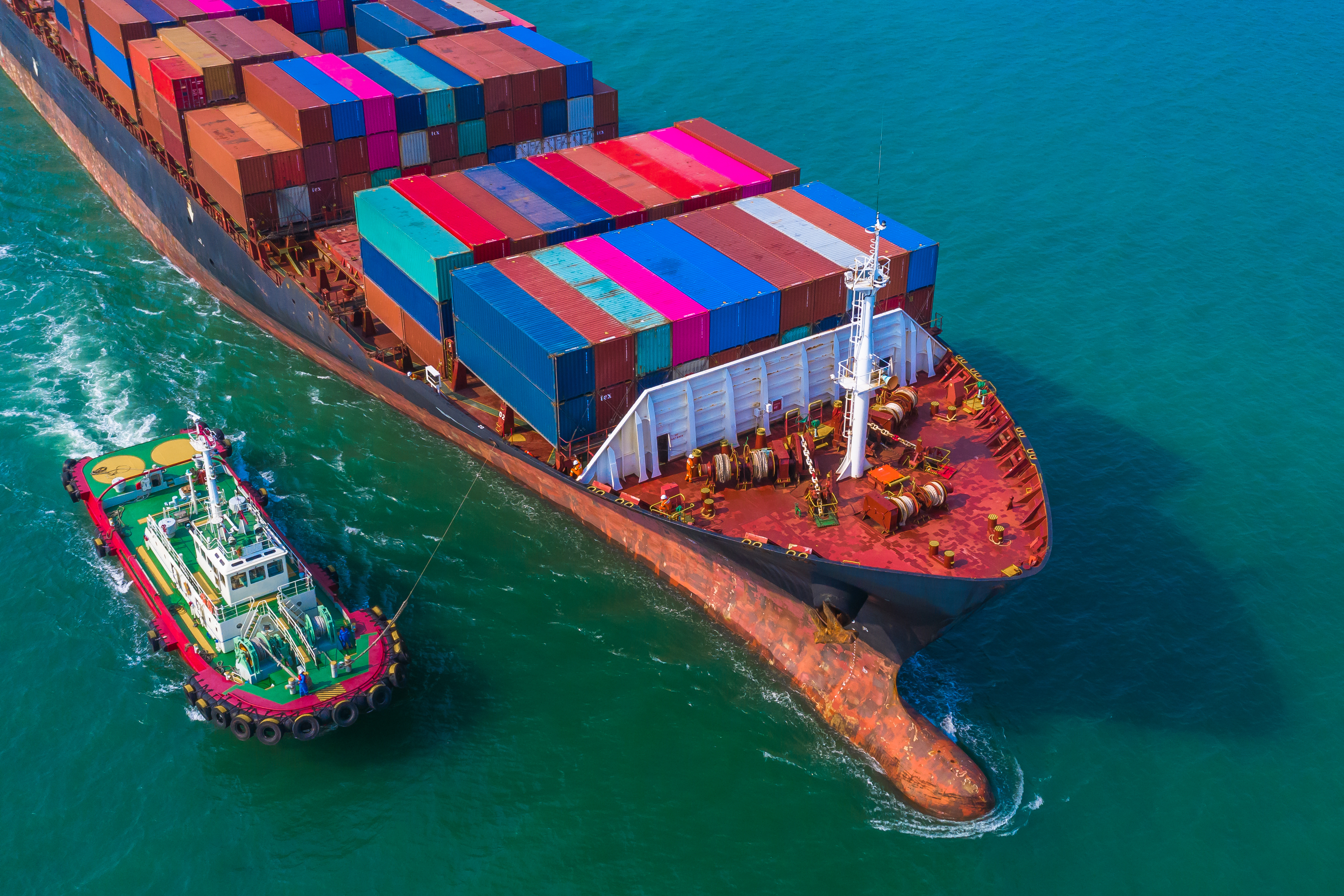
According to World Trade Organization data, sea transport accounts for approximately 80 percent of the volume of global trade. It is therefore crucial for the proper functioning of the global supply chain.
Despite the great importance of sea transport, this industry faces numerous challenges, especially when it comes to the transport of dangerous goods. How, then, can safety be ensured during the transport of chemicals and other hazardous materials by sea? This question is answered by DACHSER expert, Ewelina Staszewska-Kobiela.
Sea transport is excellent for carrying large loads from distant regions. The most popular goods include liquid bulk cargo, including crude oil, dry bulk (iron ore, coal, and grain), gas, food and beverages, metal and chemical products (data from the UN report – “Review of maritime transport 2023”). The value of international trade by sea is increasing year by year, which means a growing need for proper securing of cargo that poses a potential threat to the life and health of the ship’s crew and the environment in maritime transport.
IMDG requirements
The transport of chemical goods, especially dangerous ones, by sea is an area that requires special attention and strict adherence to standards and regulations. The International Maritime Dangerous Goods (IMDG) Code, developed by the International Maritime Organization (IMO), constitutes a key set of rules governing the safe transport of hazardous materials on seas and oceans. The purpose of the code is to minimize the risk of accidents and incidents, protect human health, and prevent marine pollution.
According to the code, dangerous cargo is defined as materials that, due to their physical, biological, and chemical properties, may pose a threat to health or the environment in the event of damage during transport or handling. These include flammable, toxic, explosive, corrosive, or radioactive substances.
The code’s regulations include, among other things, proper labeling and classification of goods, packaging, and, in specific situations, guidelines regarding separation from other cargo.
- Container labeling: enables quick identification of the type of material being transported and includes, among other things, the name of the substance, its properties, and any procedures to follow in case of failure, as well as the potential need to separate dangerous goods from other cargo.
- Packaging: always depends on the class and type of cargo, and the selection of appropriate packaging allows for protecting the transported goods against mechanical damage or leakage. The material from which the packaging is made must not enter into any reaction with the transported substances.
Additionally, when carrying out sea transport of dangerous goods, the following documents are required:
- Dangerous Goods Declaration
- Container Packing Certificate
- Material Safety Data Sheet
– The Dangerous Goods Declaration (DGD) is a basic document that must be provided before shipment, confirming that the consignment has been labeled, packed, and declared in accordance with the regulations concerning dangerous goods. It is worth knowing that the decision to place a container in a specific location on the ship comes from this very document; it allows for the proper application of segregation and stowage rules. That is why its correct completion is so important – says Ewelina Staszewska-Kobiela, Business Development Manager at DACHSER Chem Logistics in Poland.
ADR Agreement
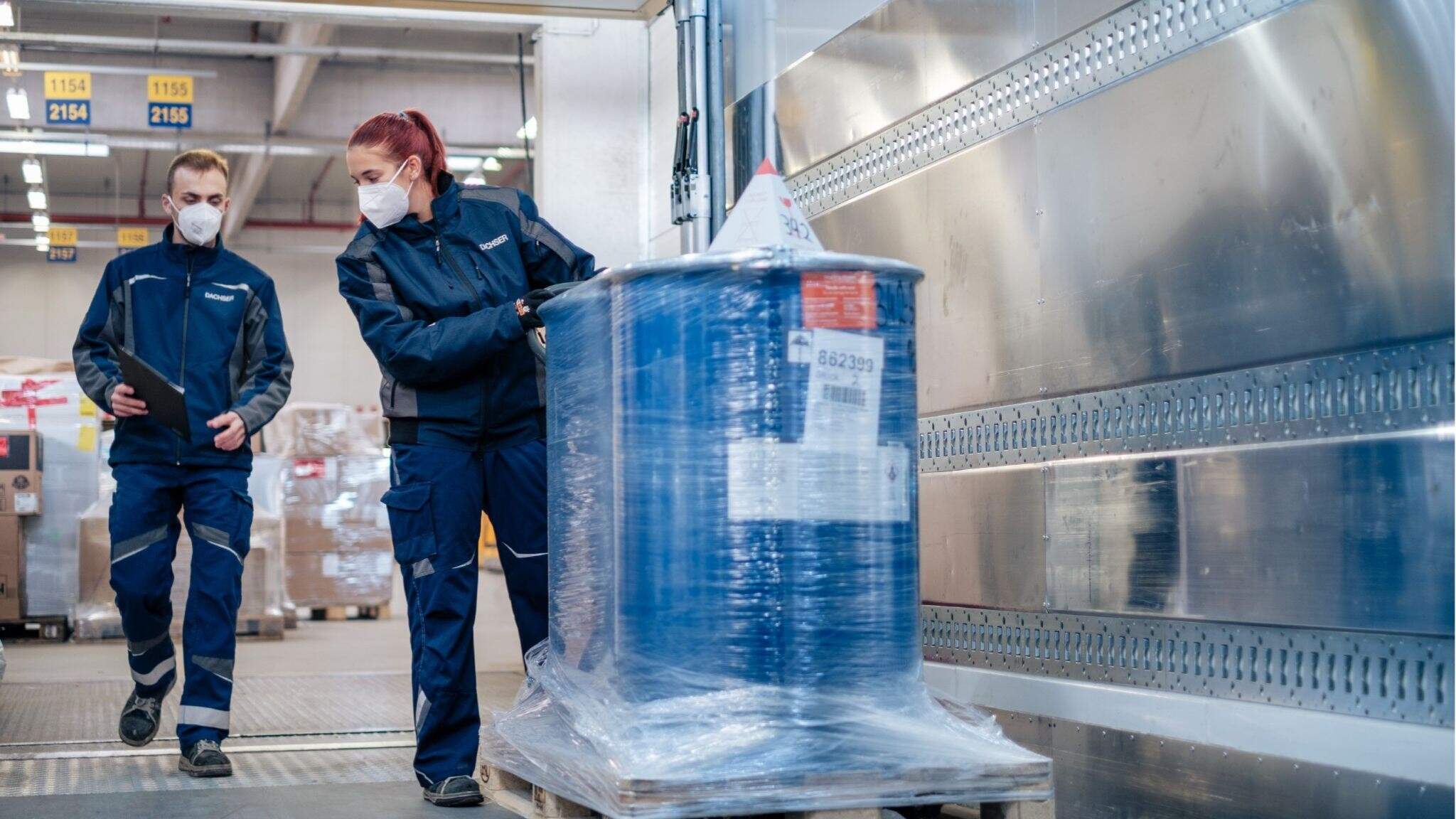
In the case of transporting dangerous goods, it is impossible to carry out sea or air transport without the participation of road transport, which is why the ADR agreement is also of key importance. These regulations concern the international road transport of dangerous goods. However, it should be remembered that in the case of combined transport of dangerous goods, the provisions of the ADR agreement define guidelines in this regard so as to carry out the transport in a clear and safe manner (1.1.4.2 ADR).
– The transport of dangerous goods, especially in international trade and using various forms of transport, is a huge responsibility that requires caution and adherence to strict restrictions. To this end, a few years ago, a change in regulations occurred in the ADR Agreement, imposing on every company whose business is based on consigning and transporting dangerous goods and the associated packing, loading, or unloading, the obligation to appoint one or more Dangerous Goods Safety Advisers (DGSA). At DACHSER, we took care of these issues a long time ago and currently employ about 250 regional dangerous goods safety advisers who conduct regular internal and external training for about 15,000 employees around the world every year – comments Ewelina Staszewska-Kobiela.
Dedicated DACHSER Chem Logistics solution
Safe transport of chemical goods, especially dangerous ones, by sea requires rigorous adherence to standards and regulations and cooperation with a trusted, experienced operator. To this end, DACHSER has a dedicated industry solution, DACHSER Chem Logistics, which is offered for sea, air, and international groupage transport, of which the operator handles about 80 daily export lines to Europe in Poland. Thanks to its global road, air, and sea network and high quality and safety standards, the logistics service provider is a trusted partner in the chemical logistics industry.
In the central dangerous goods management system, standardized internal regulations with specific transport exclusions and risk assessments have been defined. Furthermore, 29 DACHSER branches located around the world have already been assessed for the Safety and Quality Assessment for Sustainability (SQAS) by the European Chemical Industry Council (CEFIC). The logistics operator also has a history of cooperation with the German Chemical Industry Association (Verband der Chemischen Industrie e.V. or VCI). The partnership has been ongoing since 2009, and the current agreement is valid until 2029.
In 2023, DACHSER Chem Logistics handled approximately 3.7 million shipments with a total weight of 3.1 million tons, including 1.2 million shipments of dangerous goods. The DACHSER Air & Sea Logistics business unit transported approximately 21,000 CBM of LCL and approximately 17,000 TEU of FCL chemical goods by sea.
Source: DACHSER