








Adrenaline, also known as epinephrine, is an invaluable medication for severe allergic reactions, such as anaphylactic shock, which can occur after insect stings, ingestion of a food allergen, or other allergen exposures. Especially during the summer season, when the risk of stings is higher, it is important to always have this medication on hand.
The demand for adrenaline increases in the summer, mainly due to greater outdoor activity and more frequent contact with allergens such as insects or plants. People with severe allergies should always carry adrenaline with them during vacations and trips to the forest.
Who should have adrenaline?
This medication is available by prescription, so people at risk of anaphylactic shock should consult a doctor to obtain it. During allergy diagnostics, through skin or blood tests, the degree of allergic reaction is determined, which can be the basis for prescribing adrenaline. People who have never had such tests may not be aware of their risk, so it is important to undergo diagnostics, especially if any allergy symptoms have occurred.
– Adrenaline is a medication that can save a life in the event of a sudden, severe allergic reaction. It is important that people at risk of anaphylaxis always carry an auto-injector and know how to use it – emphasizes M.Sc. Pharm. Paulina Milcz, Deputy Manager of the Pharmalink Pharmaceutical Warehouse.
Local allergic reactions can include pain, swelling, elevated temperature, and general malaise. Anaphylactic shock, which occurs in a small percentage of people, manifests as swelling of the airways, the entire body, and difficulty breathing, which poses a high risk of suffocation. Adrenaline works by constricting blood vessels, preventing the formation of edema, and relaxing the muscles of the airways, which facilitates breathing. It is important that people around the patient are aware of the risk of anaphylactic shock and know how to administer adrenaline at home – the medication that allergy sufferers possess is injected into the thigh muscle.
How to store adrenaline?
Adrenaline is available in two main forms: in ampoule-syringes and in auto-injectors, such as EpiPen. Auto-injectors are preferred due to their ease of use and the ability to store them at room temperature. However, it is important to keep them at a temperature not exceeding 25°C and avoid places where they may be exposed to high temperatures, such as a car glove compartment in the summer. Ampoule-syringes are best stored in a refrigerator at a temperature of 2-8°C. They can also be stored at room temperature for up to six months, but it is important to write down the date of removal from the refrigerator to know how long the medication is suitable for use. Furthermore, adrenaline is sensitive to light, so it should be stored in packaging that protects it from direct exposure.
Adrenaline transport matters
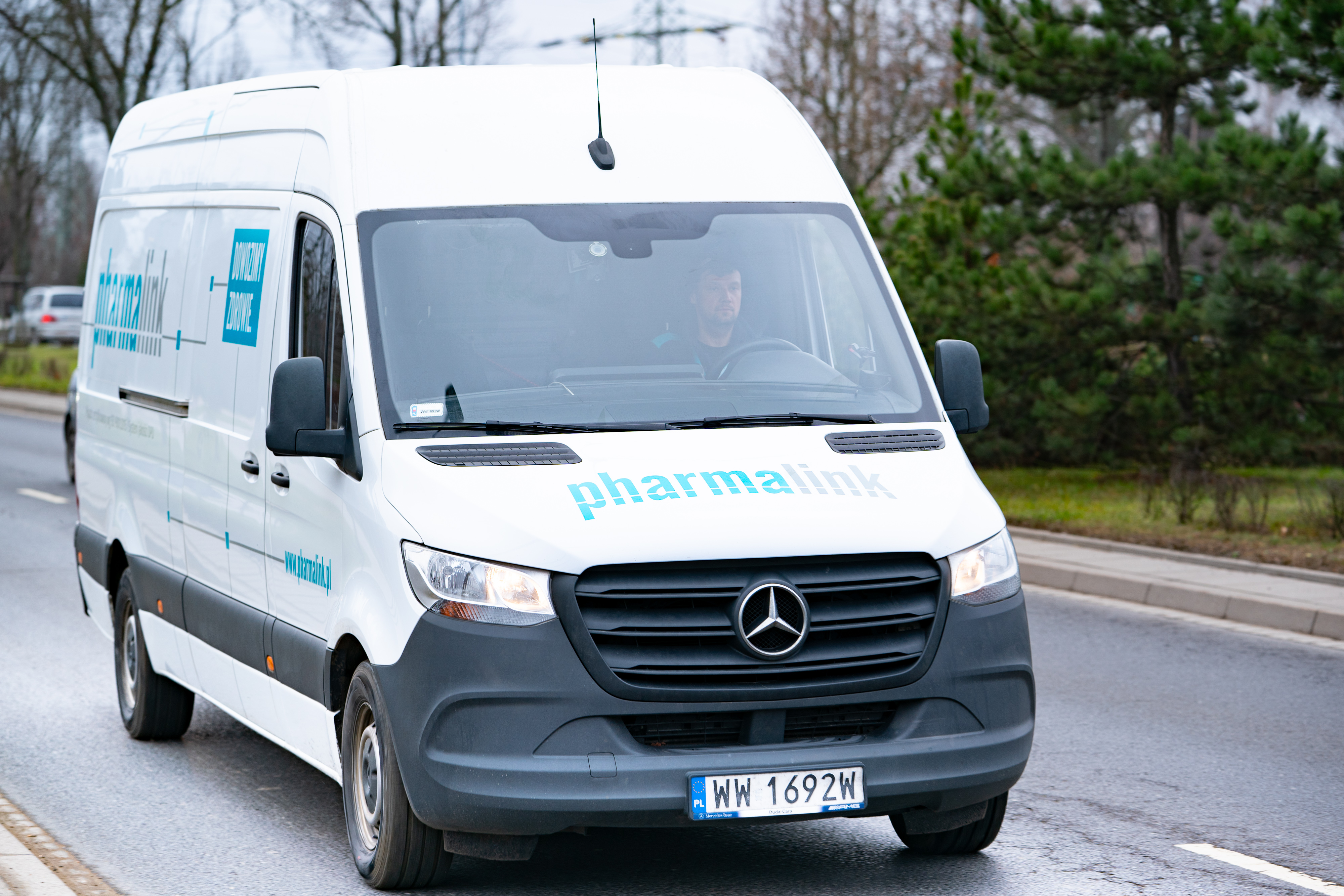
Pharmaceutical logistics companies play a key role in ensuring the availability of adrenaline where it is needed most. They guarantee safe and fast transport, ensuring that this medication reaches hospitals, pharmacies, and first aid points in ideal conditions. Adrenaline must be transported in a way that ensures a constant temperature is maintained, which is crucial for preserving its effectiveness. Specialized vehicles that transport medicines should meet the highest safety standards and be equipped with modern monitoring systems to control conditions inside the vehicles.
Drivers carrying out such deliveries have appropriate training and are aware of how important it is to maintain proper transport conditions and document them correctly. During delivery, in addition to the documents, the driver provides the pharmacy with a temperature printout so that the pharmacist can be sure that the transport was carried out in accordance with quality requirements. Where does the data on the temperature inside the vehicle come from? The best practice is to use GPS loggers and a validated system for monitoring temperature in transport and warehouses, which not only records temperature data but also allows for alarms in case of temperature changes outside the required range.
– The transport of adrenaline must be carried out in compliance with all safety rules and thus guarantee the integrity of its physicochemical properties. It is also crucial to deliver the medication urgently if the need arises. Deliveries within 24 hours and even in a shorter time, i.e., in “cito” mode within 6 hours, are possible for us and are frequently practiced – emphasizes Paulina Milcz, an expert from Pharmalink.
There should be no situations where there is a shortage of adrenaline in hospitals or pharmacies. Therefore, the role of pharmaceutical logistics companies in express securing of stocks of this medication is crucial. This commitment to safety and reliability of deliveries makes specialized logistics companies an invaluable partner for medical facilities, especially in the context of saving lives in emergency cases.
Source: Pharmalink