








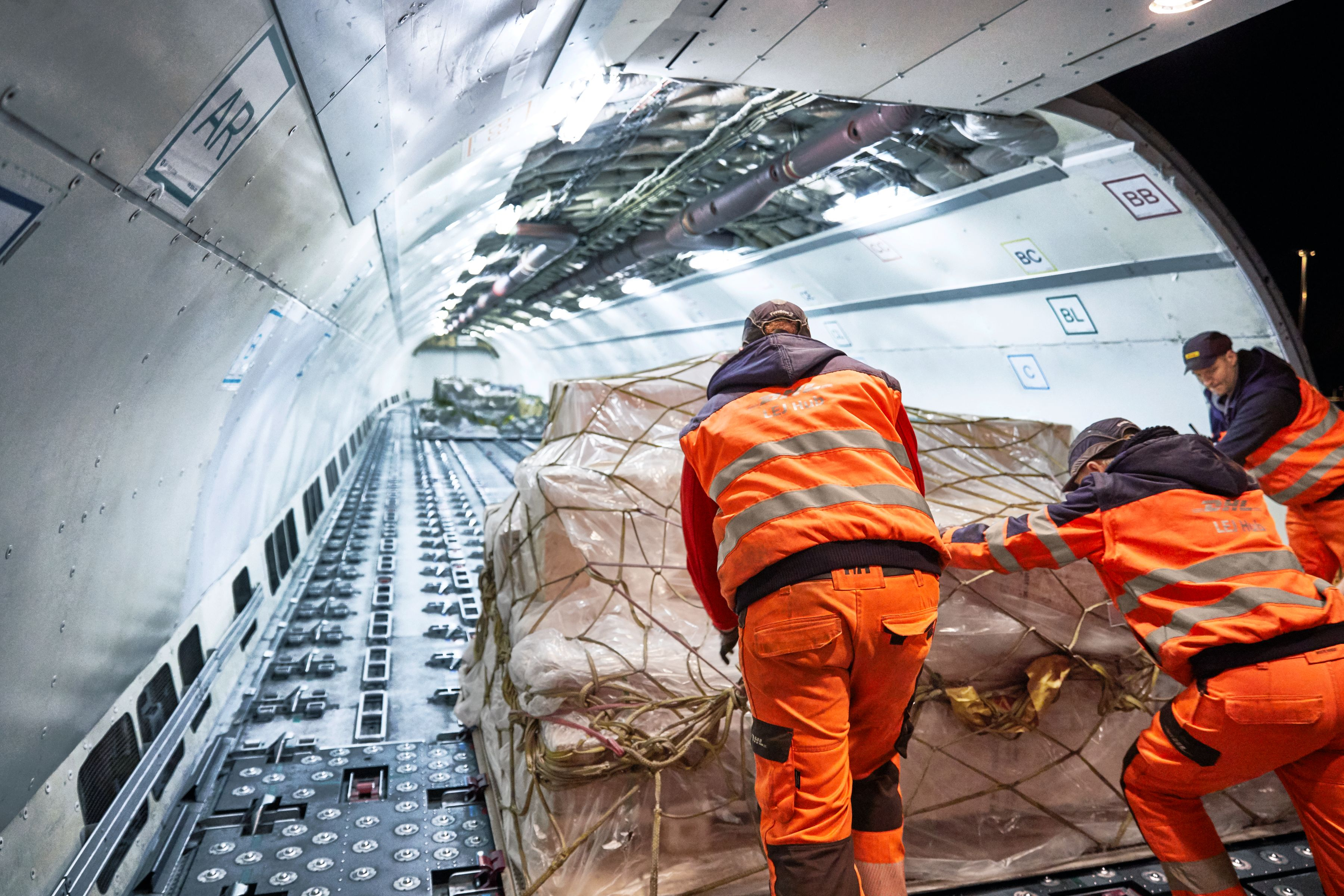
In recent years, the technology industry has experienced dynamic development, which has brought both challenges and opportunities – also for logistics companies. Logistics, like many other segments of the economy, has faced numerous difficulties resulting from the pandemic, armed conflicts, or inflation. All of this has affected the supply chain, causing, among other things, an increase in operating and investment costs. Often, enterprises saw the solution to emerging challenges in the adaptation and integration of artificial intelligence (AI), and the optimization of logistics processes became not just a trend, but a necessity.
Breakthrough challenges and innovations
According to the opinions of Deloitte analysts[1], in 2024, logistics companies faced new challenges, such as the development of spatial technologies and the industrial metaverse, which could change the way supply chains are managed. Generative artificial intelligence has also become a catalyst for growth, influencing the automation and streamlining of processes. The most interesting data from recent years show that revenues driven by the industrial metaverse will reach nearly USD 100 billion by 2030[2]. By 2028, 75% of software engineers employed in enterprises will work with AI coding assistants, which is a significant increase compared to the beginning of 2023, when this percentage was below 10%[3].
Logistics and technologies function like a system of communicating vessels. Challenges in one segment affect the other and vice versa. The development of the technology industry affects the prosperity of logistics companies and the entire supply chain. Challenges in the technology industry therefore have a wide reach, while simultaneously requiring the industry itself to be flexible, innovative, and ready to quickly adapt new solutions. Logistics companies offering services to the technology sector should not only track these trends but also actively participate in shaping them to ensure the competitiveness and efficiency of their services.
The technology industry from a logistics perspective
The technology industry is at the forefront of key sectors served by DHL Express in Poland and is the industry with the largest weight share. The average weight of shipments is 13.5 kg. The carrier’s analysis shows that the largest technology companies using its services are located in the south of the country, especially in the Upper Silesia region. DHL Express mainly carries out air transport for clients from this industry (accounting for nearly 70% of services provided), but also delivers shipments by land.
Several branches are particularly active – with the “distributor” segment on the podium (over 40% of the volume resulting from serving this industry in 2023). This category concerns companies that act as intermediaries between technology manufacturers (e.g., computer hardware, software, electronics) and end users or other companies that sell these products at retail. Subsequently, high volume values in 2023 were observed by DHL Express in the case of serving companies responsible for components (over 26%) or electronic equipment manufacturers (16%). The largest increases in this regard, comparing Q1 2024 to 2023, are visible among distributors, manufacturers, or the “Imaging&Printing” segment (these are companies involved in the production and distribution of equipment and software for image processing and printing, such as: printers, cameras, lenses). In the first quarter of 2024, businesses in this area generated a 62% increase in revenue compared to the entire previous year.
Sustainable flights
According to DHL Express data, the technology segment is focusing on green logistics to reduce its carbon footprint and, among other things, is choosing sustainable aviation fuel (SAF). This possibility is provided by the GoGreen Plus service, which DHL Express launched as one of the first global express carriers, allowing for the reduction of carbon dioxide emissions associated with the transport of shipments precisely through the use of SAF fuel. The carrier’s customers can use GoGreen Plus and purchase SAF for all or only selected shipments – technology companies rank second and account for 13% of all industries served by DHL Express that decide on this solution.
A recipe for the future
We observe that the logistics sector in Poland and Europe is constantly developing, implementing new technologies, and preparing for the challenges of the future. This is confirmed by an analysis conducted by McKinsey[4] among 250 global freight forwarders and logistics service providers. Further investments in innovation will be essential to ensure the efficiency and competitiveness of services – including those provided to the technology industry. Cooperation between the logistics sector and the technology industry is crucial for the development of both areas, while simultaneously allowing for the creation of more integrated and intelligent logistics systems.
[1] Technology Trends 2024 – Deloitte report | Deloitte
[2] Technology Trends 2024 – Deloitte report | Deloitte
[3] Gartner – Top Strategic Technology Trends 2024
[4] Digital logistics and the technology race | McKinsey
Source: DHL Express Poland / Expert: Edwin Osiecki, Vice President of Marketing and Sales at DHL Express Poland