









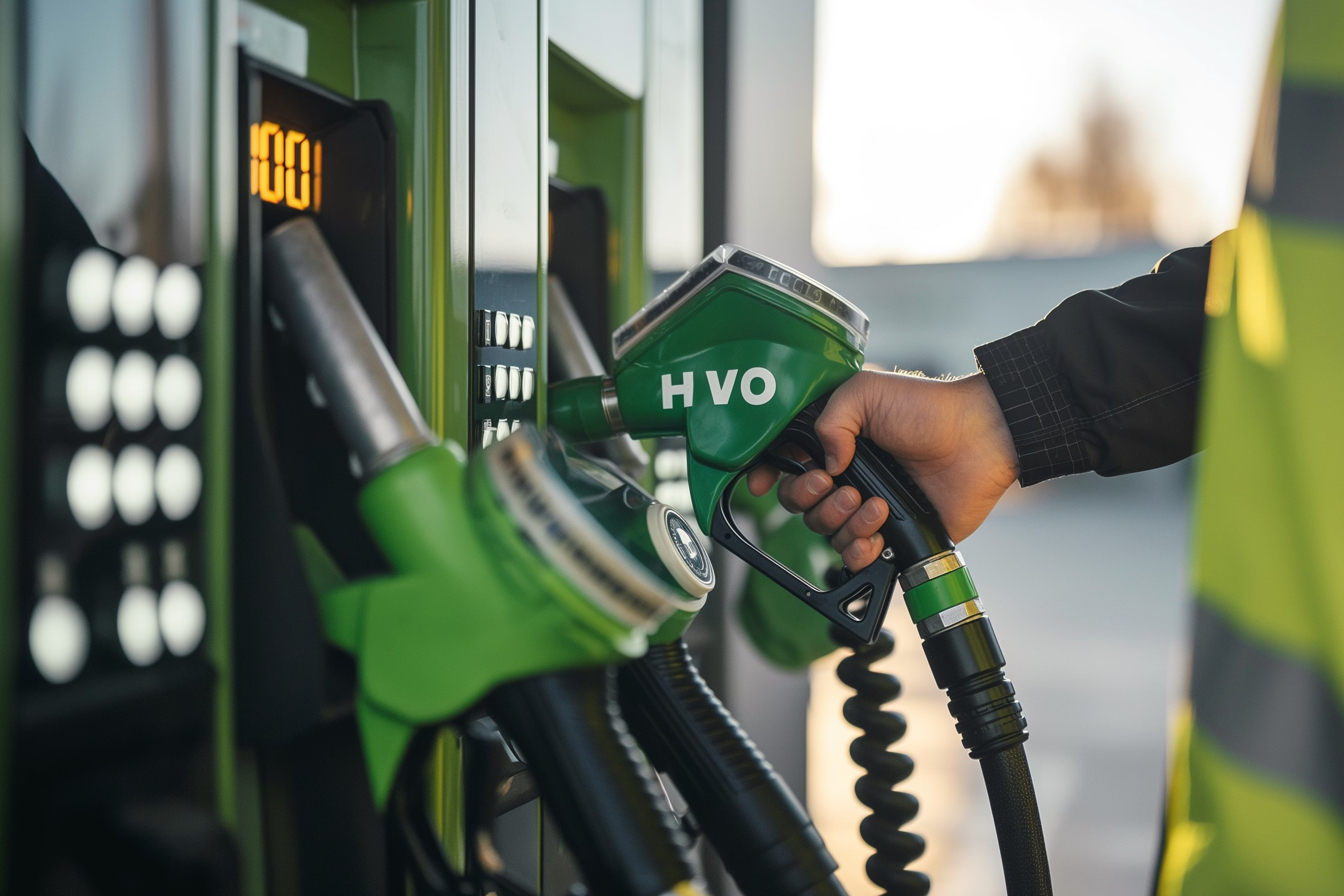
In the modern fight against climate change, the transport industry is at a critical juncture when it comes to innovation and sustainability. Until now, implementing commercially viable changes in areas such as road freight has been difficult. However, some progress can be observed. Are biofuels a real opportunity to reduce emissions in the transport industry?
Recently, PostNL and our international subsidiary Spring announced the introduction of four million liters of HVO100 diesel into the European road transport network. Interestingly, this groundbreaking initiative aims to reduce carbon dioxide emissions by 12 kilotons per year. This is an achievement comparable to removing 5,000 gasoline-powered cars from the roads annually.
A key moment for transport
Long-haul road transport, especially on an international scale, has always posed a real challenge for sustainability efforts. However, HVO100, a renewable alternative to traditional diesel, can already be used today to make an impact across Europe.
Transformative technologies, including electric or hydrogen-powered trucks, are still in the development phase, and charging and refueling infrastructure in various countries remains a costly challenge. Therefore, the seamless introduction of HVO100 for use within the existing European network of diesel-powered vehicles represents a breakthrough for those looking to reduce carbon emissions in the logistics sector.
A smooth transition to renewable fuel
The benefits were therefore obvious to us. HVO100, short for “100% Hydrotreated Vegetable Oil,” is a renewable diesel fuel derived from various organic materials, including vegetable oils and waste.
Compared to traditional diesel, HVO100 emits up to 90% less CO2, using sustainable resources to power transport. The composition of HVO100 reflects the properties of regular diesel, which facilitates the transition to cleaner energy sources.
Even the production of HVO100 is environmentally friendly. It uses waste and residues without the need for deforestation. This eco-conscious approach ensures a minimal ecological footprint while offering compatibility with diesel-powered vehicles. All this without the contamination issues that plagued first-generation biodiesel.
Most importantly, the versatility of HVO100 allows it to be blended with fossil diesel in various proportions without compromising engine performance or maintenance cycles. This is a significant issue for transport companies that rely on a reliable fleet of delivery vehicles in these uncertain times.
The aforementioned factors make HVO100 a sustainable solution that could revolutionize the transport industry. Especially when we consider the up to 90% lower exhaust emissions compared to traditional diesel.
Accelerating sustainability efforts in transport and logistics
While at the local level, the solution to reducing environmental impact may be delivering parcels on foot, by bicycle, or using electric vehicles, solutions for longer-distance road transport must be driven by ambitious, innovative initiatives.
The path to introducing this initiative has taught us that innovation and collaboration within our industry have allowed us to gain momentum toward a carbon-neutral future.
In times of global economic turmoil and uncertainty, promoting the right actions for environmental stewardship is more important than ever, but it cannot always be done alone.
Looking beyond one’s own operations to set standards and accelerate the transition to sustainable practices – regardless of the sector in which one operates – is crucial if we are to ensure a sustainable future.
Source: PostNL / Spring