








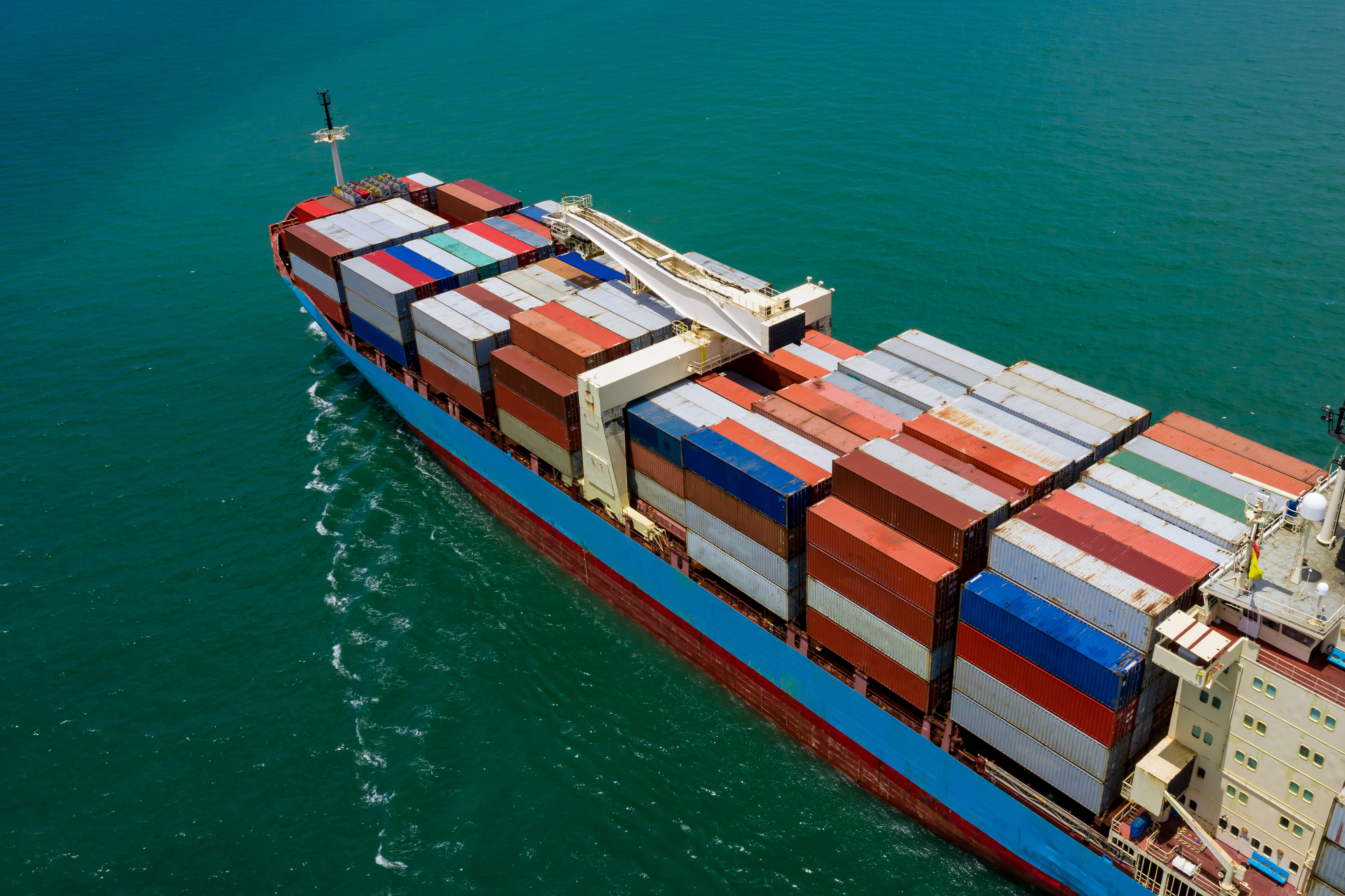
From January 2024, the EU ETS will be extended to include emissions from maritime transport to help Europe achieve its net emissions reduction target. In the EU ETS, the government sets a maximum allowable amount of emissions, which in practice means that shipping lines will have to purchase and surrender (=use) EU ETS emission allowances for every ton of reported CO2e emissions and pass these costs on to their customers.
100% of emissions occurring between two EU ports, as well as 50% of emissions from voyages starting or ending outside the EU (including ports located less than 300 nautical miles outside the EU).
The above changes will cover:
- Ships with a gross tonnage of over 5000 tons
- All ships entering and leaving EU ports, regardless of flag
The changes will be introduced gradually, starting with 40% of verified emissions from 2024, 70% of emissions in 2025, and 100% in 2026. Emission allowances can be purchased on the primary market through auctions, but also on the secondary market, where allowances can be sold bilaterally or through various derivatives offered by financial institutions. Currently, the EU ETS price is approximately 80 EUR per ton of CO2 (October 2023).
European Green Deal
The European Green Deal, announced in 2019, is a plan to achieve net-zero emissions by 2050. To implement it, structural adjustments are necessary. One of them is the Fit for 55 package, announced in 2021. It is a set of policy initiatives designed to help Europe achieve the goal of reducing net emissions by at least 55% by 2030 compared to 1990 levels.
EU ETS
The EU Emissions Trading System (EU ETS) is one of the regulations included in this plan, based on a “cap and trade” system. It sets a maximum limit on the total amount of greenhouse gases that can be emitted by companies within the EU in a given year, in specific industries. Companies subject to the EU ETS must purchase allowances based on the amount of greenhouse gases emitted and surrender them accordingly.
From January 2024, an additional surcharge will be introduced, which will apply to all shipments on board vessels calling at European ports. The costs of allowances will change depending on the value sold at auction and will therefore be adjusted according to index performance.
Source: DB Schenker