








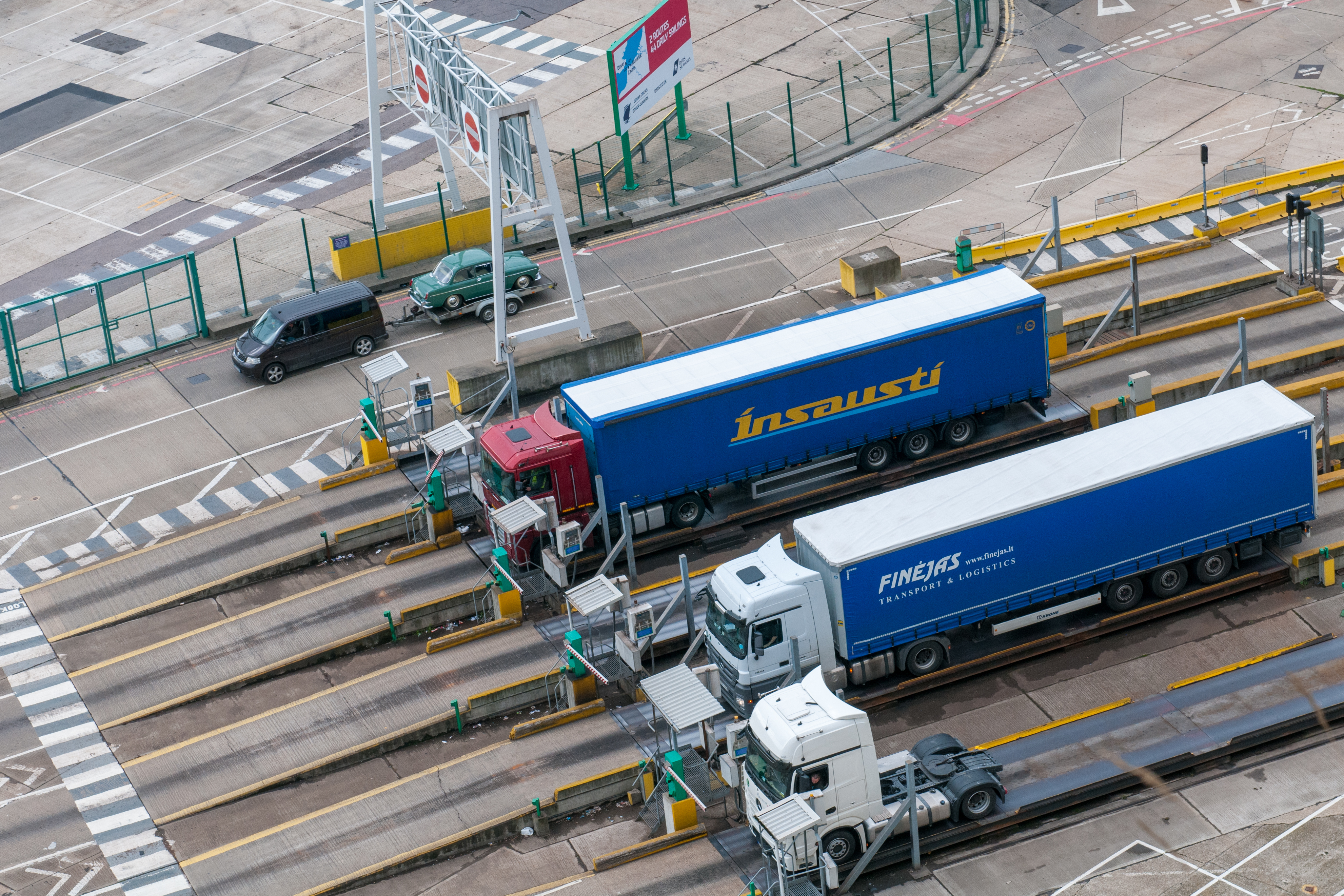
Starting tomorrow (April 30), physical and documentary checks on sanitary and phytosanitary goods will begin at the UK borders. This is the result of the UK introducing the so-called Export Health Certificate (EHC). – Importers and exporters who are not properly prepared for the inspections must expect serious consequences – says Joanna Porath, owner of the customs agency AC Porath.
Since January of this year, the UK has required certificates for products including: animal origin, plants, fruits, and vegetables. British authorities announced that certification was the first step, and the next would be physical inspections of food imported into the UK.
– This involves additional time and extra costs due to vehicle downtime at the borders. In the worst-case scenario, if British or European phytosanitary standards are not met, the carrier must expect the cargo to be returned to the sender – says Joanna Porath.
Required health certificates
The biggest changes under the Export Health Certificate (EHC) concern products of animal origin. Health certificates will be required for meat products and all raw milk-based products. The control measures changed by the UK regarding the import of animal and plant products assume that all meat and dairy products will require prior notification, and only heat-treated dairy products will not require a health certificate. Regulations also remain in force according to which imported animals and plants for planting always require health certificates and are subject to inspection.
In the case of fruits and vegetables from the EU, inspections will be based on the risk assigned to the goods, i.e., low, medium, and high. In most cases, they will not have to undergo British commercial standard checks or plant health inspections. However, the British government encourages carriers to check which goods imported into the UK will be subject to inspection.
Source: AC Porath