








The TSL industry has been operating in a state of crisis for four years: starting from the pandemic, through the war in Ukraine, to the disruptions in the Red Sea. Faced with these factors, many companies are facing the necessity of transformation and changing their way of operating. What challenges is the Polish TSL industry facing? Commentary provided by Joanna Porath, owner of the customs agency AC Porath.
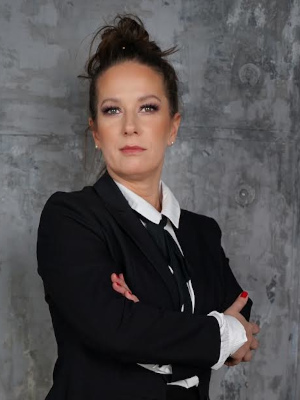 According to a ManpowerGroup study, one in three companies in the logistics and transport sector is planning employee layoffs in the second quarter of this year. The Polish TSL industry is losing its ability to compete with large entities from other European countries, according to the report “The TSL industry in the face of automation and war” published by the Polish Economic Institute. Our country is beginning to lose the race with its neighbors to be a strategic transshipment hub, and the TSL industry should look not only for savings but also focus on modern business solutions.
– The situation is serious and decisive and concrete solutions are needed – says Joanna Porath, owner of the customs agency AC Porath.
According to the “ManpowerGroup Employment Outlook Barometer” report, from April to June of this year, as many as 34 percent of companies in the TSL industry announce the need for staff reductions. As the authors of the report assessed, “hiring plans of companies in the transport, logistics & automotive industry are definitely less optimistic than before.” What challenges is the Polish TSL industry facing?
- unstable geopolitical situation;
- stagnation lasting for several months and still weak economic prospects in a large part of EU countries, especially in the largest economy in Europe, Germany;
- border blockades and strikes have led to higher rates in road transport;
- fears of losing financial liquidity;
- increase in the number of debt collection cases for companies in the TSL industry;
- changes in intra-EU regulations and with third countries, to which one must adapt;
- changes in the approach of European importers, who are beginning to avoid Poland as a transshipment hub, with ports in Koper and Trieste gaining ground.
– In a situation of constant crisis and the possibility of the Polish TSL industry losing its competitiveness on the European market, the state should think about systemic solutions. The TSL industry is still an important branch of the Polish economy – says Joanna Porath, owner of the customs agency AC Porath.