








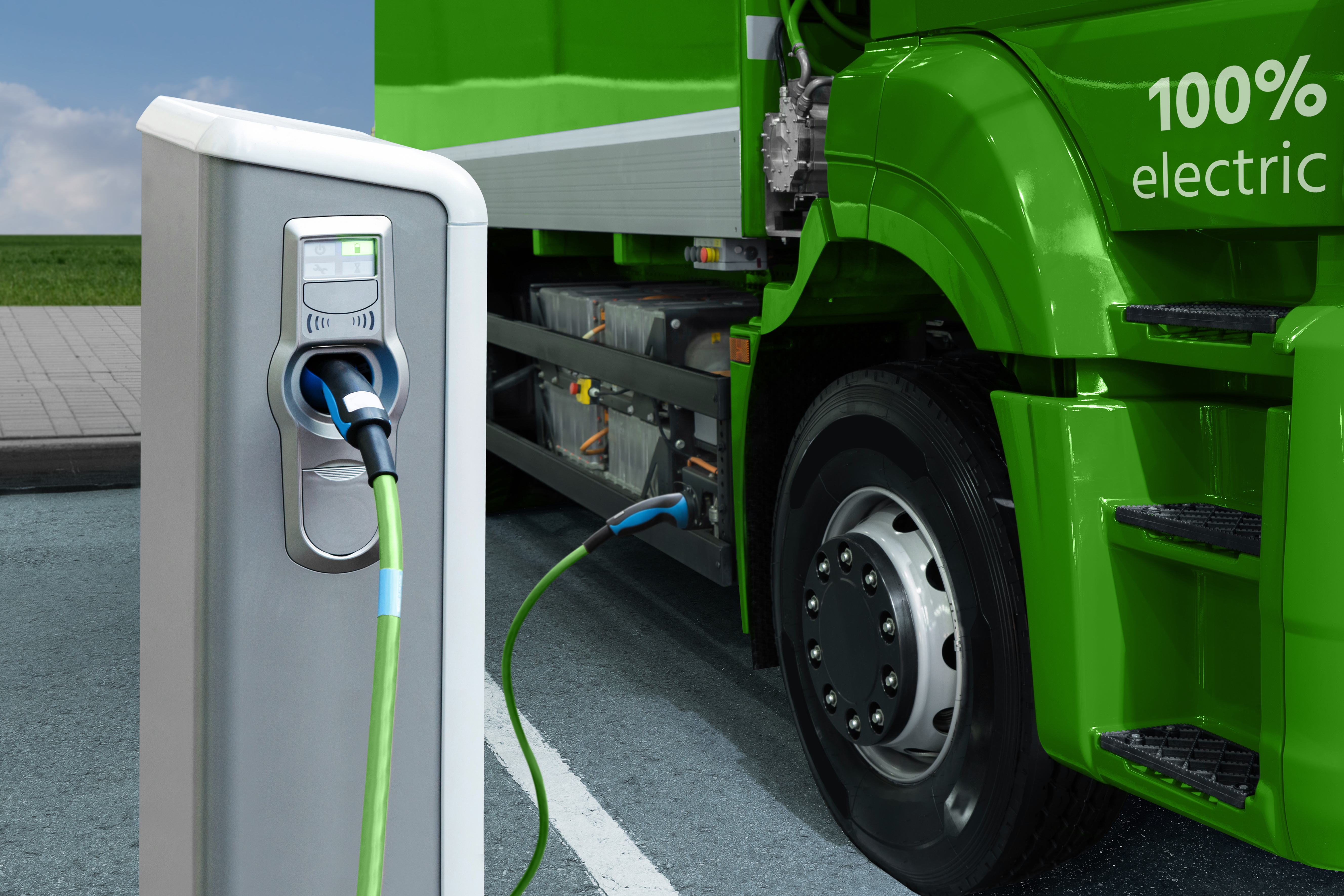
Rohlig SUUS Logistics has conducted a pilot of the eActros 300 truck, which confirmed the feasibility of effectively using electric vehicles for shuttle services in heavy transport. During the two-week test, the truck covered over 2,200 km, reducing greenhouse gas emissions by 3.9 tons. The initiative is part of the largest Polish logistics operator’s ESG efforts. The project was carried out in cooperation with Żywiec Zdrój and Daimler Truck Retail Polska.
On the path to decarbonization with Żywiec Zdrój and Daimler Truck Retail Polska. The pilot took place in the first half of February 2024. It involved daily full-truckload transport of Żywiec Zdrój spring water between factories and the client’s warehouse, located in the Silesian Voivodeship.
– The cooperation model, based on fixed, shuttle connections between the production plant and the warehouse, is currently the most effective solution for using electric vehicles in heavy transport. This is the first step towards the electrification of the industry – says Fabian Szmurło, Domestic FTL Product Director at Rohlig SUUS Logistics. – Currently, using an electric fleet for transport involves high costs, which is why a key condition for implementing such projects is the right relationship between the client, the logistics operator, and the carrier, as well as their readiness to commit to long-term and stable cooperation – he emphasizes.
– The pilot allowed us to verify the efficiency of using an electric truck for heavy cargo transport. By selecting appropriate transport solutions for this vehicle, including a trailer with increased load capacity, and keeping in mind its range limitations, we achieved this goal. Over two weeks, the vehicle traveled over 2,200 km, carrying loads sometimes reaching 25.5 tons. The truck consumed an average of approx. 107 kWh per 100 km, and its use on this route allowed for a reduction in greenhouse gas emissions by 3.9 tons – explains Piotr Winiarski, Fleet Development Manager at Rohlig SUUS Logistics. Importantly, the vehicle also met the drivers’ expectations. They highlight, among other things, the quieter ride compared to combustion-engine trucks, the vehicle’s adequate dynamics, and the use of modern solutions such as the Mirror Cam system, which facilitates reversing. They also note that the charging process is safe and the device is easy to operate.
– For years, Żywiec Zdrój has been implementing a sustainable development strategy, part of which is a significant reduction in our carbon footprint. All our bottling plants already use renewable electricity sources, and we are systematically increasing the share of recycled packaging and optimizing transport – says Grzegorz Bobek, Environmental Protection and Sustainability Manager at the DANONE group of companies – The pilot allowed us to test one of the transport models using renewable energy sources. The success of these tests opens up new possibilities on our path to reducing emissions – he adds.
The eActros 300 pilot is another SUUS initiative in the area of transport electrification. The operator has already conducted other tests of electric-powered trucks in domestic full-truckload transport. Furthermore, as part of the delivery of oversized goods, such as furniture or home appliances on the so-called last mile, the EXPERT company, belonging to the SUUS group, uses electric delivery vans. These initiatives are also part of the ESG strategy currently being implemented by SUUS.