








Loading grain onto a ship currently takes twice as long in Poland as it does in Germany, and unloading a train carrying it takes up to four times as long. Therefore, transport infrastructure, particularly rail and port facilities, requires immediate expansion and modernization so that the potential of Polish agricultural exporters can be fully utilized – this was the main conclusion of an expert debate on food security organized during the Resilience Congress 2024.
The Resilience Congress was the first conference in Poland fully dedicated to issues concerning comprehensive action, both by state structures and citizens, in the field of civil protection and crisis management in the face of a series of current geopolitical threats. One of these is undoubtedly the issue of ensuring the country’s food security, including by strengthening the production and export capabilities of the agricultural sector.
Meanwhile, Russia’s aggression against Ukraine and progressive climate change are posing a series of unprecedented challenges for Polish farmers today. At stake, however, is not only the future of a specific sector but of the entire economy: Poland is one of the main European grain exporters (over 10 million tons annually).
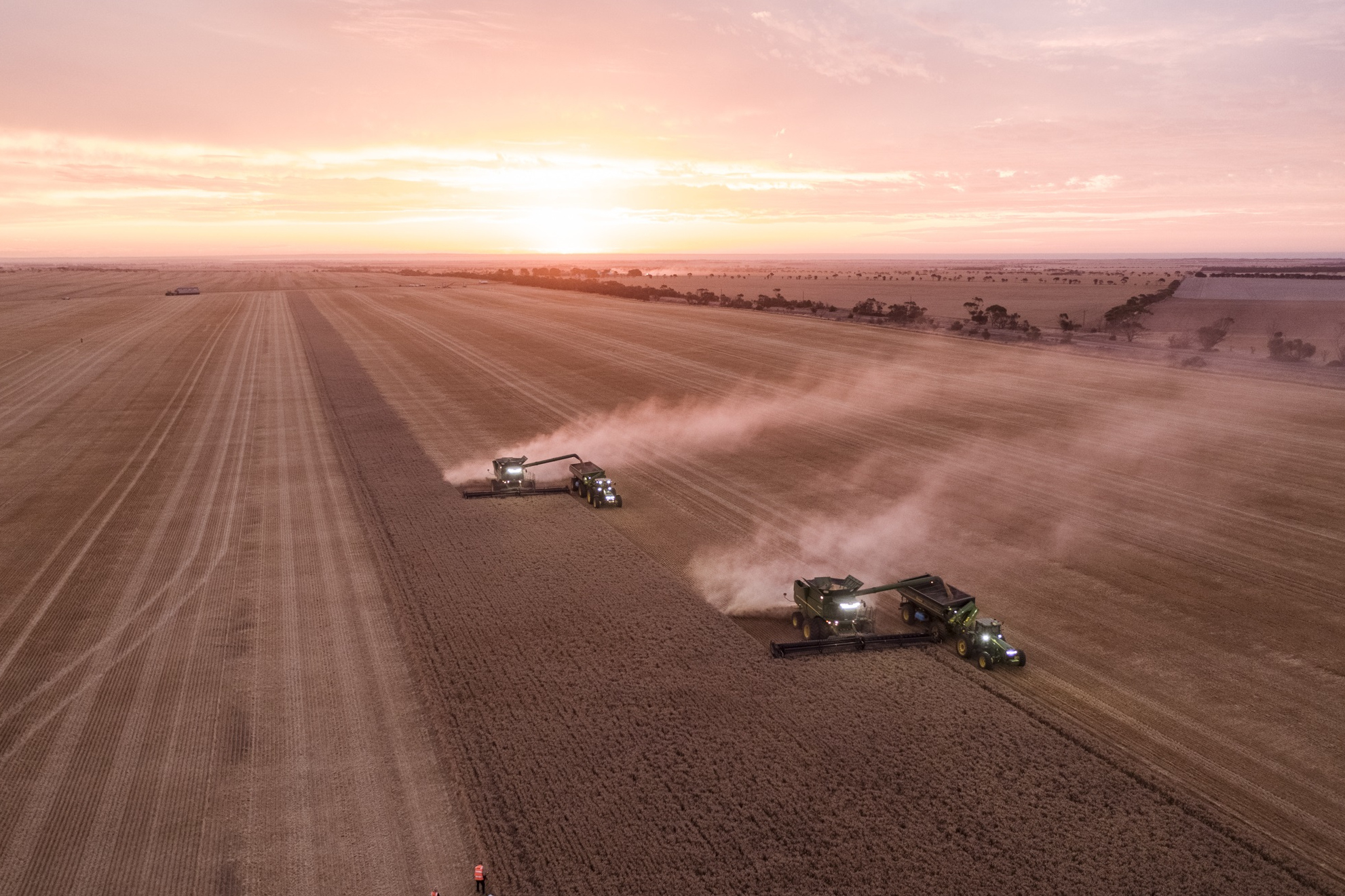
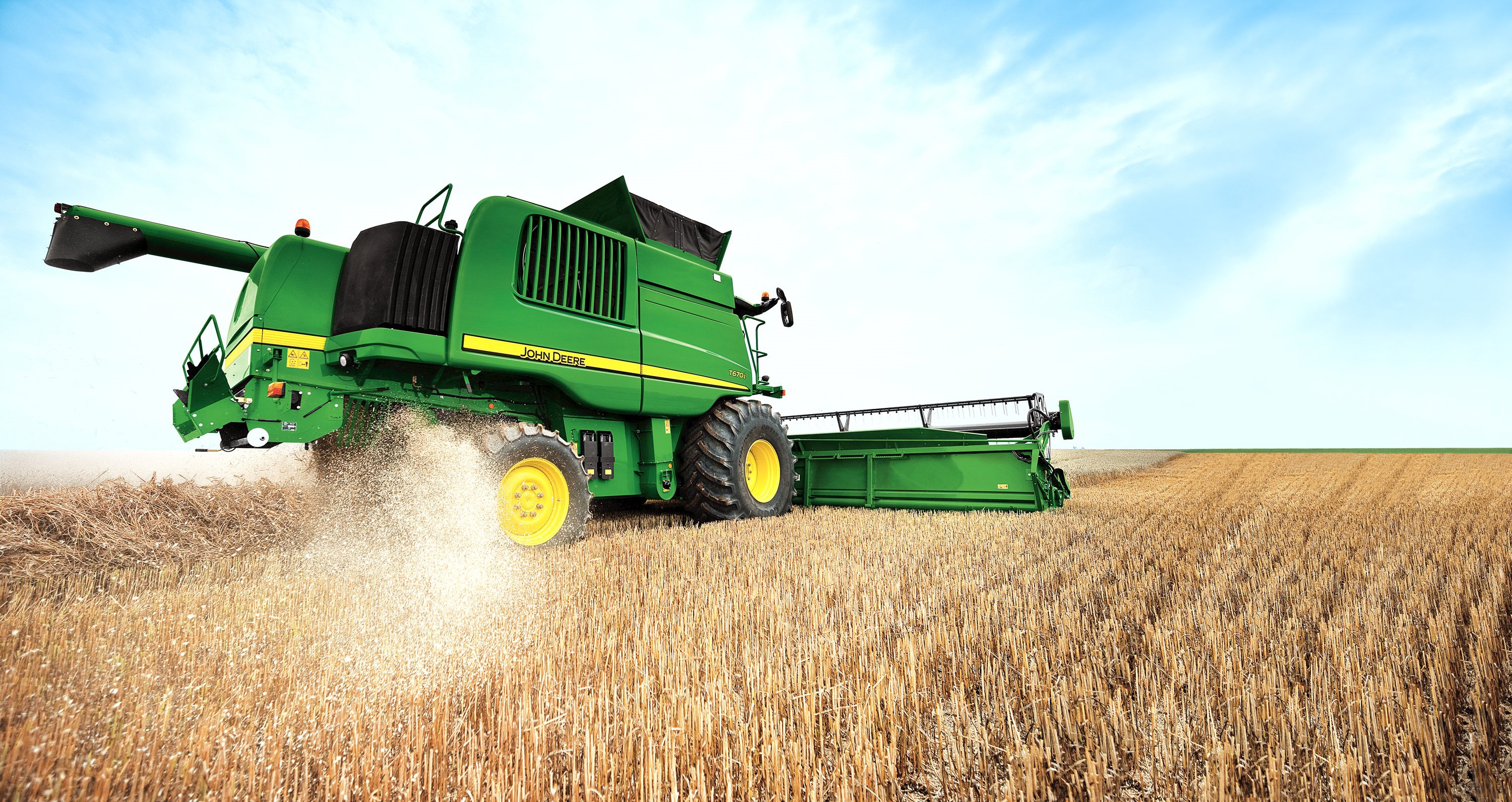
– Polish agriculture has made a veritable civilizational leap since our country joined the European Union. Once, the harvest lasted a month and a half, and now we can harvest up to 35 million tons of grain in two weeks. This is a great opportunity for our exports, which, however, we are not utilizing due to significant infrastructure neglect – argued Adam Turoń, a board member of Viterra Polska, during the expert debate at the Resilience Congress 2024.
The representative of one of the leading European companies involved in agricultural product logistics pointed primarily to the issue of low throughput in Polish ports – and it is maritime transport that is not only the cheapest and fastest but also allows cargo to reach the most distant markets without obstacles. Meanwhile, the infrastructure of Gdańsk, Gdynia, Szczecin, and Świnoujście, as the Viterra Polska representative warned, still dates back at best to the 1950s.
– Loading a Panamax-type ship with grain currently takes up to 10 days, which is several times longer than in Western European ports. Over the last few decades, we have also built only a few port warehouses, and grain waiting for export is still stored under tents and shoveled using traditional shovels. At the same time, in the face of increasingly serious geopolitical and economic challenges, we simply cannot afford to waste any more time on the development and modernization of the necessary port infrastructure – he explained.
Similar observations were shared by Monika Piątkowska, President of the Grain and Feed Chamber. In her opinion, the current situation is the result of many years of neglect and ignoring the appeals of representatives of the agricultural producer industry.
– I remember the damage, not only financial but also reputational, caused by the “clogging” of our ports last year when, in addition to exporting agricultural goods, they also handled coal imports. As early as 2018, state institutions promised us the construction of a proper agro-port, and this project has still not been implemented – the expert noted.
The debate participants recalled that food security is an entire, complex “farm-to-fork” chain consisting of closely linked elements: production, processing, trade, and distribution (including exports). The weakness of one link must inevitably lead to the disruption of the entire process, involving measurable losses for all stakeholders.
– Let’s be open: at this moment, Poland has guaranteed food security. Moreover, we have surpluses, the failure to export which threatens serious consequences in the form of, for example, price depression. However, to sell effectively and profitably, we must finally carry out the necessary infrastructure investments – assessed the President of the Grain and Feed Chamber.
It turns out that seaports are not the only “bottlenecks” for Polish agricultural product exports. Their transport is still based on road vehicles, while other EU countries (both for financial reasons and market expectations regarding the achievement of climate goals) are increasingly focusing on rail.
– Leaving aside the gaps in the network of connections or necessary installations such as ramps or sidings, the problem is the speed of freight trains, which is about 24 km/h, i.e., twice as slow as across our western border. Meanwhile, one simply must invest in rail transport, as one train replaces up to 80 trucks. It is worth noting that Viterra intends to carry out 30 percent of all deliveries in Poland by this very means of transport by 2025 – noted Adam Turoń.
As explained by Lt. Gen. Bogusław Samol, former commander of the NATO Multinational Corps Northeast, currently a lecturer at the War Studies University, food security is one of the pillars of the country’s broader defense strategy.
– As military personnel, when developing plans for wartime, we always focus on national resources and capabilities, which therefore must be as large as possible – the general explained.
The experts agreed that dialogue and cooperation between individual farmers (of whom there are over 1.2 million in Poland), large and specialized trade and logistics companies (possessing appropriate experience, staff, and infrastructure), and state institutions – including State Treasury companies – must play a key role in improving the condition of Polish agricultural production.
– For our part, we declare full commitment because we are all playing for the same goal. Our company is already making warehouse space available for strategic food reserves. We also want to invest up to 250 million PLN in the Grain Terminal in Gdynia, and as part of a global network with branches in 37 countries, we are opening new sales markets for Polish producers – declared the Viterra Polska board member.
Source of information: PAP MediaRoom / Viterra Polska