








According to data from the end of December 2023, a total of 57,065 fully electric passenger and commercial vehicles (BEVs) were registered in Poland. Over the 12 months of last year, their number increased by 23,651 units, i.e., 52% more than in 2022, according to the Electromobility Meter launched by PZPM and PSPA.
At the end of December 2023, there were 98,348 electric passenger cars on Polish roads. The fleet of fully electric passenger cars (BEVs) numbered 51,211 units, and the fleet of plug-in hybrids (PHEVs) amounted to 47,137 units. The number of electric delivery and heavy-duty vehicles was 5,880 units. The fleet of electric mopeds and motorcycles is also constantly growing, consisting of 19,526 units at the end of December, as well as the number of hybrid passenger and delivery cars, which increased to 679,637 units. By the end of last year, the fleet of electric buses in Poland had grown to 1,179 units.
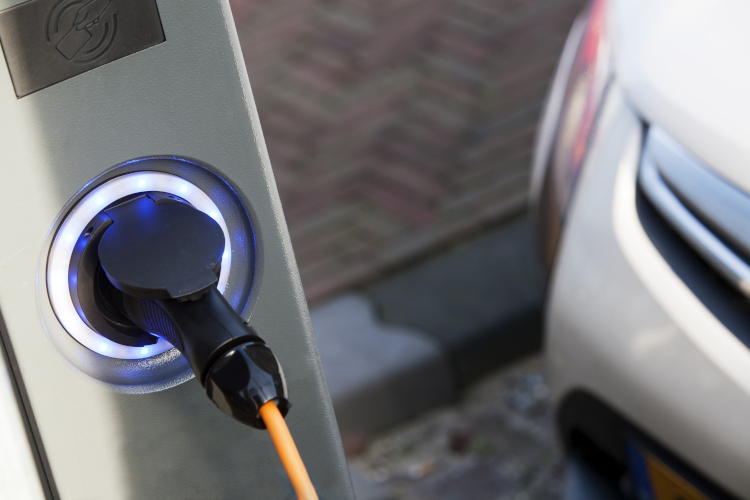
Parallel to the fleet of electric vehicles, charging infrastructure is also developing. At the end of December 2023, there were 5,933 publicly accessible electric vehicle charging points (3,282 stations) in Poland. 26% of them were fast DC charging points, and 74% were slow AC charging points with a power of 22 kW or less. In December, 104 new points were launched.
– At the end of 2023, there were already over 57,000 zero-emission cars on Polish roads. In the last year, the number of registered electric delivery and heavy-duty vehicles and buses, as well as the number of plug-in hybrid passenger cars, has increased significantly. Undoubtedly, the development of the charging network helps in the increasing sales of electric vehicles. And although the number of charging points should be higher, the money recently allocated for subsidizing the construction of new charging stations will certainly bring a positive effect. Customers are also eagerly choosing cars with classic hybrid drives, as their number on Polish roads has increased by almost 40% compared to the previous year. Taking into account European policy, one can be sure that the number of vehicles with internal combustion engines will gradually decrease. This applies in particular to diesel cars – says Jakub Faryś, President of PZPM.
– The total number of newly launched, publicly accessible charging points in 2023 was 1,513. This is a historic record and a 15% increase compared to 2022. However, the industry was counting on a much better result. In 2024, it is crucial for the central administration to implement as quickly as possible the legislative postulates that PSPA, together with over 250 partners, prepared as part of the “White Paper on New Mobility”. The document contains over 30 specific proposals for regulatory and systemic changes in the areas of public infrastructure, building infrastructure, and technical inspections of charging stations. It is especially important to decisively streamline connection procedures. Otherwise, Poland has no chance of meeting the goals of the new EU AFIR regulation, the provisions of which will apply from April this year – says Maciej Mazur, Managing Director of PSPA.