








The “E-commerce in Poland” report shows that online shopping is most popular among respondents from large cities (over 200,000 inhabitants) – 34%. In turn, in medium and small towns, 22% and 23% of respondents respectively use such solutions. The smallest group of respondents are rural residents – 21%. Studies indicate that women shop online more often than men, but the difference is small – 52% compared to 48%. Price, however, is not the most significant factor influencing purchasing decisions.
Online shopping is the domain of e-consumers with higher education (40%), which may be related to their financial situation. Online shoppers are usually 35-49 years old (33%), but they are closely followed by respondents aged 50+ (30%). These are people who value convenience and have adequate financial resources.
An analysis conducted by PwC shows that in 2026, the gross value of the Polish e-commerce market will reach PLN 162 billion. This means an average annual growth of 12%. Sales of food products and the health and beauty category will grow the fastest. Already in 2020, the online channel had a 14% share in the value of retail sales in Poland, which was influenced, among other things, by the pandemic and the accelerated development of e-commerce platforms.
The consumer survey conducted for the PwC analysis shows that over 74% of Poles maintained their level of online shopping after the pandemic, and 10% increased it. Currently, about 150,000 Polish companies sell their products and services online. They use both their own stores and marketplace platforms popular among consumers. PwC experts emphasize that compared to Western European countries, Poland still has a relatively small number of online stores, which is why their number is expected to increase significantly in the coming years. This is the result of new consumer habits, as well as the emergence of new players on the market.
Price is not everything
The “E-commerce in Poland” report prepared by IAB Poland, PBI, and Gemius shows that 75% of internet users shop in Polish online stores, while every third respondent finalized a transaction on a foreign website. High inflation significantly affects the e-commerce market in Poland; we are buying less on impulse. It should be emphasized, however, that such a phenomenon is sporadically observed among consumers with higher education, as they experience financial difficulties less frequently.
The main factor motivating online shopping is 24/7 availability, as declared by over 75% of respondents. Many respondents appreciate that they do not have to drive to a store and have unlimited time to search for products. Price ranks 3rd among the reasons for shopping online. Online stores offer products at a more attractive price, which many customers appreciate, especially in times of high inflation.
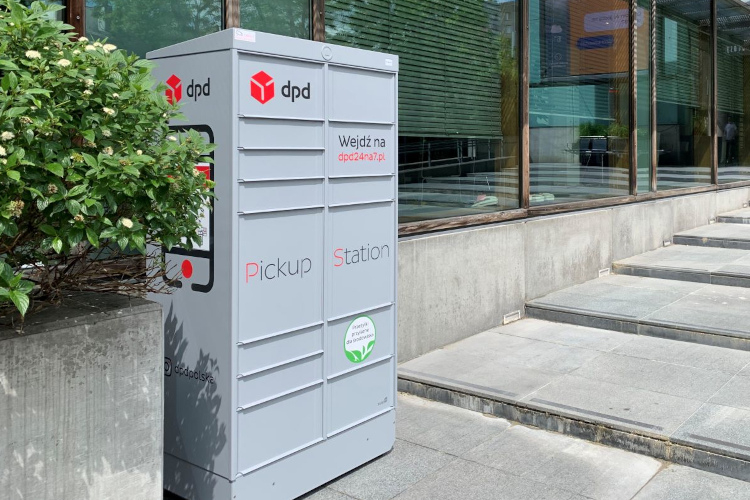
Customers are increasingly paying attention to the delivery method, especially when they live in small towns or their lifestyle prevents them from waiting for a courier. Studies show that over 80% of respondents use parcel lockers because they can pick up their package at any time. Consumers expect couriers to deliver packages between 8:00 AM and 8:00 PM, or 10:00 PM at the latest. In addition, respondents pay attention to whether there is a possibility of free returns via a parcel locker, courier, or in a brick-and-mortar store.
Source: SwipBox Polska / Łukasz Łukasiewicz