








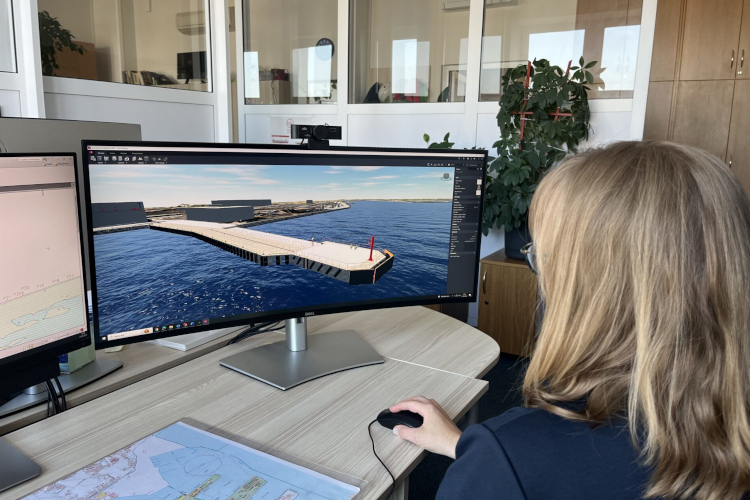
Technological development and digitalization are indispensable elements of the modern world. Implementing modern solutions has a huge impact on the operational efficiency of enterprises, institutions, and urban infrastructure. The Port of Gdynia, one of the most important ports in Poland, is not falling behind and is consistently implementing its digitalization development strategy. A key element of this process is the implementation of BIM (Building Information Modeling) technology, which contributes to integrated port infrastructure management and forms the foundation for future investments.
For several years, the Port of Gdynia Authority has been consistently directing its efforts toward the digitalization of processes and technologies. One of the key achievements is the creation of a platform for managing integrated digital information, known as the “Digital Twin of the Port of Gdynia.” This digital project, which is the cornerstone of the Port’s digitalization strategy, allows employees of the Hydrotechnical Structures Department to use a digital representation of quay infrastructure using BIM models. This means that information related to the maintenance and management of port infrastructure is available in digital form, which significantly facilitates planning and coordination processes.
However, the success of BIM implementation is not just a matter of tools and technology, but also of a strategic approach and the commitment of all parties involved in the process. Looking back, several key elements can be identified that influenced the success of BIM implementation at the Port of Gdynia:
- Awareness and Support of Decision-Makers: An essential step was for decision-makers to understand the benefits that BIM can bring to the organization. The port authorities had to be aware of the potential of BIM and ready to support this initiative.
- BIM Team: Implementing BIM is a change in organizational culture and work processes. Creating an appropriate team, consisting of experienced BIM specialists supported by BIM ambassadors, was essential.
- BIM Strategy and Goals: The Port of Gdynia developed a BIM implementation strategy that defines the goals, schedule, and budget of the initiative, taking into account the specific needs of the enterprise.
- Training and Competence Development: Implementing BIM required appropriate employee training. Informed employees are a key element of success.
- BIM Software and Tools: Choosing the right BIM software and tools tailored to the needs of the Port of Gdynia was crucial.
- Standards and Protocols: Introducing BIM standardization ensured consistency and cooperation between various project participants.
- ZMPG Partners: BIM has influenced new standards of cooperation with partners and suppliers, which includes all parties involved in the investment process.
- Organizational Culture: Changing the organizational culture to foster innovation and BIM-based collaboration was indispensable.
The Port Authority is aware that the BIM implementation process is a continuous one. Designated individuals monitor progress and participate in conferences and events to develop their competencies and raise BIM awareness within the organization.
Introducing BIM requirements into tenders for projects and investment implementations will bring many benefits, including increased efficiency in design and investment execution. The Port of Gdynia is already implementing projects using the BIM methodology, and BIM standardization will contribute to added value, increased efficiency, and will also facilitate the management and maintenance of port infrastructure.
– Modern ports are complex infrastructure that requires effective management, monitoring, and coordination of many diverse activities. The use of digital technologies will help improve the efficiency and safety of port operations. We are taking further steps in our actions, in line with the implementation of the Smart Port concept, which includes the BIM methodology necessary for managing and maintaining port infrastructure in a digital environment – Jacek Sadaj, President of the Port of Gdynia Authority S.A.
For the Port of Gdynia, digitalization is the key to efficiency and development. BIM is becoming not only a tool for managing port infrastructure but also the foundation for future investments and modernization. Thanks to these steps, the Port of Gdynia remains at the forefront of technological change, ready for the challenges of the future and further development.