








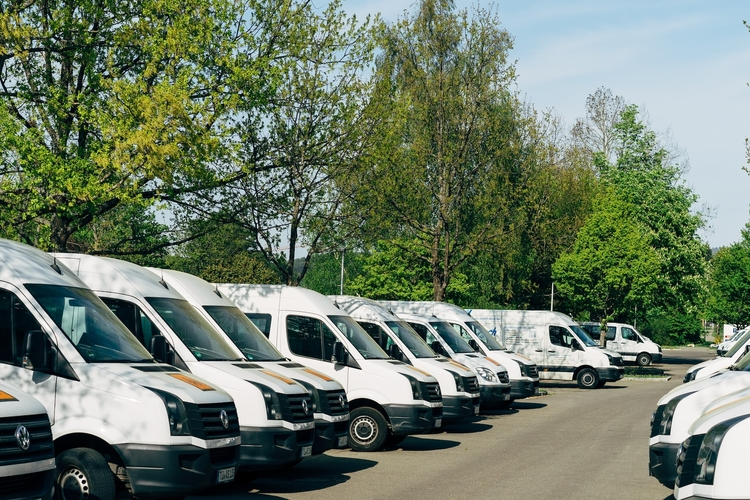
Taking care of vehicles in a fleet is the foundation of its proper functioning. It is not just about monitoring the general condition of vehicles or ongoing repairs. In particular, attention should be paid to the tires, which are the only point of contact with the road surface, and therefore responsible for the vehicle’s grip and stability. The end of summer is a good time to take a closer look at your tires.
New season, new requirements
The arrival of autumn is the perfect time for a thorough vehicle inspection, especially for tires that have been heavily used during the summer period. They may have been damaged or the tread significantly worn down, causing the tires to lose their properties. Checking their condition will ensure the fleet is ready for the transitional period. Although safety remains the most important issue, such an inspection also has a rational economic justification, related to avoiding unexpected breakdowns. Moreover, it is worth starting preparations for the winter season now and looking for the best offers, even though the time for the actual tire change is yet to come. Oponeo.pl offers models in many sizes, including popular ones like 195/55 R16, as well as those less frequently mounted on vehicles. The offer of this online store is tailored to diverse requirements, both for passenger car and delivery vehicle drivers.
Tire inspection before the autumn-winter period
What should you pay attention to during a tire inspection? Here are a few key issues to consider:
- Tread depth – the legal minimum is 1.6 mm. However, it is recommended that it be no less than 3 mm, due to deteriorating grip and increased braking distance as the tread wears down.
- Assessing general condition – you should look for any damage, such as abrasions, punctures, or bulges. Overlooking them can lead to a serious breakdown, which may result in costly vehicle repairs.
- Checking air pressure – inappropriate values can lead to uneven tire wear, which will shorten the service life of a given set. It also has a negative impact on the amount of fuel consumed while driving.
Not just an investment in safety
Managing a vehicle fleet involves organization, working on its efficiency, and effective management, including cost control. Regularly checking the condition of tires after summer can be considered a practice that is profitable and can generate savings in the long run. Good tires from a renowned brand last a long time and may also prove to be less prone to failure – replacing them with newer ones comes a bit later, which translates into real savings. This reduces costs associated with purchasing and vulcanization services, as well as unnecessary vehicle downtime.
Importantly, choosing the right tires proves to be just as important for internal combustion engine vehicles as it is for electric and hybrid vehicles. For fleets, one of the parameters found on tire labels is gaining importance. This is rolling resistance. The better it is, the less fuel the car will consume.