









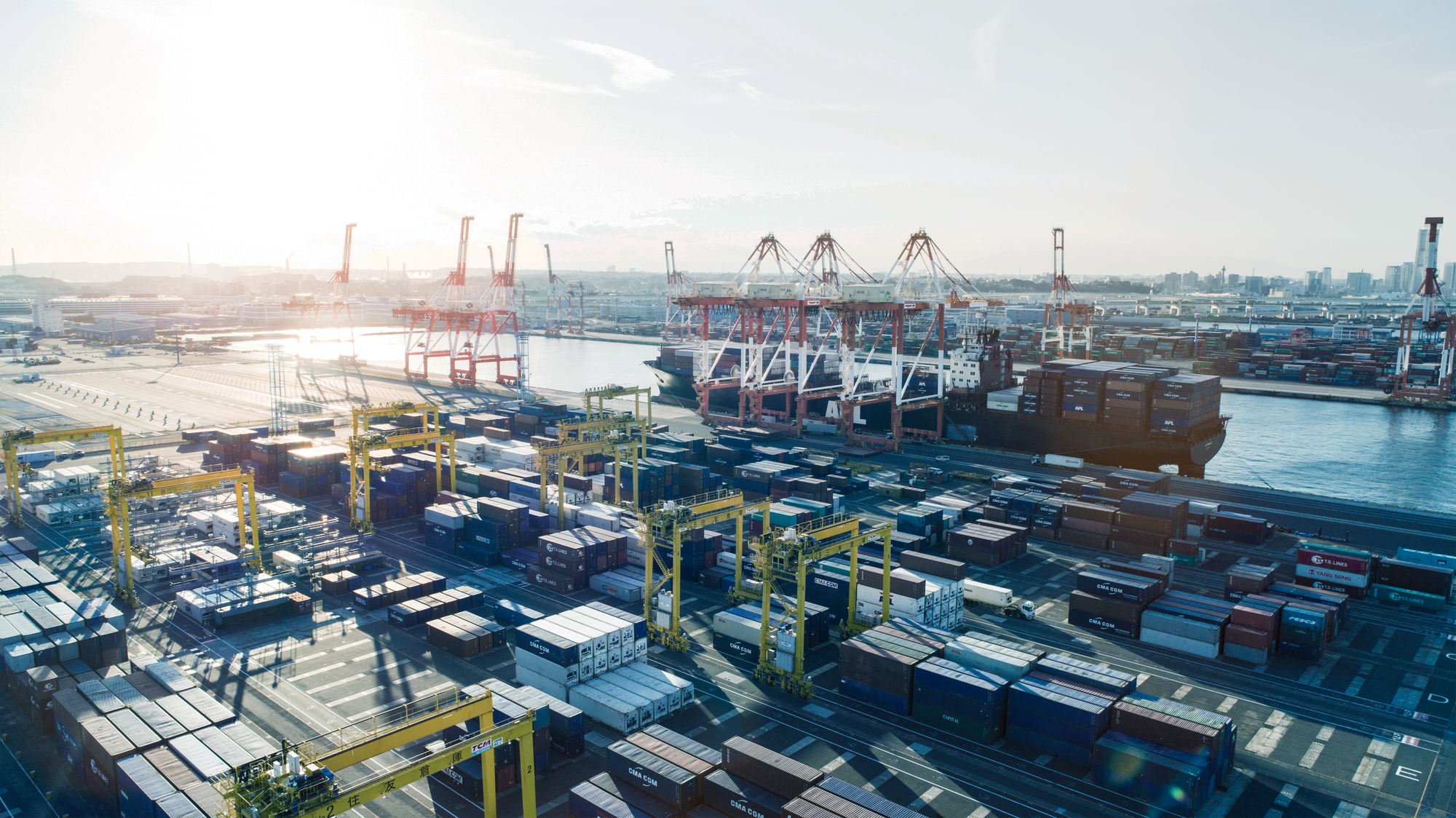
DB SCHENKER and Volvo Cars have started a collaboration for more sustainable maritime transport by shipping 12,000 standard containers (TEU) of car spare parts on vessels using biofuel, which will reduce CO2 emissions by 84% per container. In total, this will save approximately 9,000 tons of CO2 per year compared to fossil-fuel-powered maritime transport vessels.
The program began in June and connects, among others, the Volvo Cars production plant in Gothenburg with ports in Savannah, Newark, and New York. This is the beginning of a new, long-term business relationship between a leading logistics operator and one of the most well-known and respected automotive brands in the world. DB SCHENKER purchases second-generation biofuel based on used cooking oil methyl esters (UCOME).
– We are proud that such a recognized brand as Volvo Cars is joining DB SCHENKER on the path toward cleaner logistics of the future. Our goal is to support customers in reducing Scope 3 emissions from transport and distribution. We will only achieve success in shaping sustainable supply chains when shippers, freight forwarders, and carriers work closely together – says Thorsten Meincke, Global Board Member for Air & Ocean Freight at DB SCHENKER.
– At Volvo Cars, we are on a mission to decarbonize our supply chain. A strong partnership with leading logistics service providers is crucial for creating opportunities such as the use of renewable fuels in maritime transport. We are constantly exploring sustainability opportunities in all aspects of our supply chain, and we also want to encourage other car manufacturers to act to increase demand for low-carbon ocean transport – says Javier Varela, Chief Operating Officer and Deputy CEO at Volvo Cars. The renewable fuel used in such transports is certified by independent organizations and is not produced in competition with food crops. Thus, it has a lower environmental impact, in accordance with the EU Renewable Energy Directive (RED). If renewable fuel is not available for a specific transport for Volvo Cars, it will be used for another customer’s transport elsewhere and allocated to Volvo Cars using a methodology called mass balancing. This method is regularly audited and ensures that the overall reduction in fossil fuel consumption is consistent with their actual use in container ships.
Source: Schenker