








Viterra, an entity in the grain and oilseed trading market, announces further initiatives to introduce more sustainable transport of agricultural products. For two years, the company has been systematically shifting from road to rail and sea transport, and by 2025, it intends to carry out 30% of all domestic deliveries via rail.
Grain production in Poland and Europe is growing year by year, which translates into higher export levels. Between January and July 2022, total exports of agri-food products from the European Union amounted to 127 billion euros, which is 14% more compared to the same period in the previous year.
At the same time, transport remains the only industry where greenhouse gas emissions are still higher than in 1990, the so-called base year. Estimates suggest that nearly 30% of total carbon dioxide emissions in the European Union come from transport, of which 72% is accounted for by road transport. Reducing these indicators is necessary to achieve the goals of the European Green Deal.
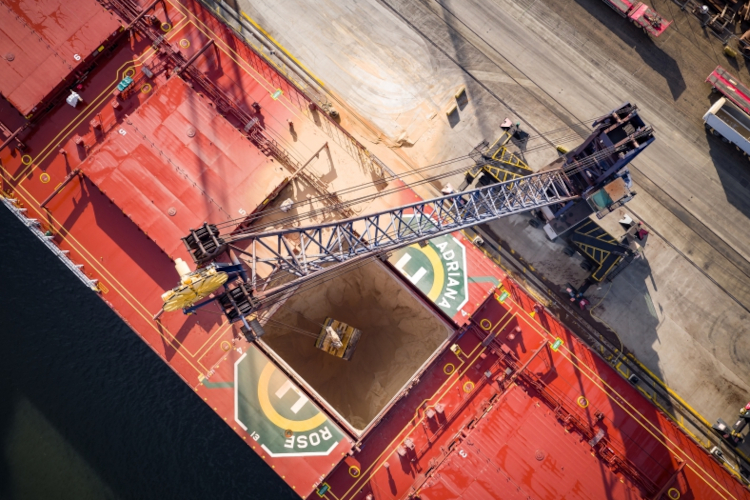
– Companies participating in the food supply chain must switch to the widespread use of more sustainable means of transport. At Viterra, we globally use a fleet of over 2,000 of our own or leased railcars, and we can load as much cargo onto one train in Poland as 80 trucks can carry. Interestingly, in other regions, e.g., in Canada, similar rail sets hold as many as 300 – says Agnieszka Szechniuk, member of the board of Viterra Polska. – We are also investing heavily in maritime transport infrastructure, expanding it both with new freighters and by developing the network of port terminals we cooperate with. In 2022, we expanded our fleet with two new ships with the highest fuel efficiency. Each of them has a cargo capacity of 85 DWT.
Low-emission transport is part of the company’s broader efforts towards sustainable development. During the UN Climate Change Conference COP26, as one of 13 signatories from the agricultural sector, Viterra signed a commitment to take action to stop global deforestation and reduce greenhouse gas emissions within the supply chain sector. In November 2022, The Agricultural Sector Roadmap to 1.5°C was created in this regard. By 2050, Viterra plans to achieve total climate neutrality in terms of CO2 emissions from the fuel used and electricity purchased.
With the growing population, the demand for food is increasing, and regular deliveries of agricultural produce to various regions of the world not only allow for effectively balancing agricultural production surpluses in individual countries, but above all, they enable the maintenance of global food security. The report on the brand’s activities published in March 2023 shows that between January and December 2022, Viterra transported a record 102 million metric tons of goods, delivering grain and other products to 125 countries around the world. Of this pool, over 70 million tons were transported by sea.