The first steps in utilizing telemedicine and digital technologies in healthcare were taken nearly 20 years ago. Solutions that we could only think of in terms of science fiction just a few years ago are now becoming an integral part of healthcare. The growing needs of patients are driving the development of these solutions, both in strictly medical aspects and in the sphere of management and logistics in healthcare.
Telemedicine
Research conducted by the e-Health Center in 2021 showed that out of 5,060 respondents, nearly 56% declared the use of telemedicine solutions in service provision. Telemedicine is not just about consultations, but a form of providing medical services and healthcare that combines elements of telecommunications, IT, and medicine. We could observe a particular development of services using telemedicine with the onset of the SARS-CoV-2 pandemic. Despite many legal barriers, this is a field developing at a very fast pace. In turn, research conducted among Medicover patients showed that 75% of them confirmed that the telemedicine consultation provided solved their health problem or shortened the time to its resolution. It therefore seems accurate to say that there is no turning back from digitalization in healthcare.
Mobile applications
The pace of demand for modern applications, including medical mobile apps, is growing rapidly. The market for mobile applications used for treatment, health prevention, and medical management is expected to grow several times over in the coming years. This applies to applications for both patients and medical staff. Such a dynamic change will be most noticeable in the most developed markets, i.e., the United States, Great Britain, and Germany. However, we also see huge progress in this area in Poland. More and more mobile applications are being made available to patients and medics, allowing for more effective and efficient management of medical services. A special place among medical mobile apps is occupied by applications supporting patients in medication dosing, with the ability to set a medication schedule and receive notifications about the need to take them at the right time. As patients, we also have access to applications that allow us to manage a home medicine cabinet, which can undoubtedly contribute to greater safety and the reduction of expired medications.
Artificial intelligence algorithms
Artificial intelligence and machine learning solutions are becoming increasingly popular in the area of healthcare provision. After all, medical facilities have huge datasets in the form of medical records, images, and information on various topics. AI-based technologies are excellent at analyzing this data, which is difficult for humans to notice. Press reports testify to the huge potential inherent in artificial intelligence algorithms. There is already evidence of how this technology can predict the probability of COVID-19 and influenza, forecast the risk of myocardial infarction, or detect the probability of breast cancer.
Autonomous vehicles
A solution that is being used more and more widely in hospitals around the world is autonomous vehicles. They can serve many purposes: from distributing medicines to wards, through disinfection, to transporting patients and visitors. Although autonomous technologies are not subject to mass implementation in Poland, the expectations for these solutions are certainly very high. We already have experience from the first tests of a medical accessory transport system, in which samples for testing were transported by drones from the Czerniakowski Hospital on Stępińska Street in Warsaw to a hospital in Pułtusk and a hospital in Sochaczew. In turn, scientists from the University of Life Sciences in Lublin have developed a self-driving disinfecting device. The device is based on a MiR 200 mobile robot, and the hospital that purchased such a device is the Central Clinical Hospital of the UCK WUM in Warsaw. In Europe, autonomous vehicles are becoming increasingly common, used in facilities with many scattered and distant buildings. An example of such a hospital is Charité – a clinical hospital in Berlin, one of the largest in Europe. In this hospital, autonomous vehicles are used by patients and visitors to move around the very extensive complex.
Medication dispensers
Modern technologies are also entering the area of hospital logistics. This applies, for example, to the way healthcare products are distributed. While in Poland, in most cases, doses of medicinal products for specific patients are prepared on the ward by nursing staff (excluding cytotoxic or compounded drugs), in Europe and the world, the system of individual patient doses, prepared at the hospital pharmacy level using so-called medication dispensers, is becoming a therapeutic standard. Highly automated devices are also accompanied by a high purchase cost, reaching nearly 5-7 million PLN. However, research has shown that the purchase of such a device is most profitable for hospitals with between 600 and 700 beds or more. This means that for about 85% of hospitals in Poland, this solution is unprofitable. On the other hand, it is attributed a number of advantages, such as shortening patient service time, reducing inventory levels, eliminating errors, etc. However, researchers’ experience shows that such a dispenser is able to handle about 65% of the assortment, which means that the rest must be handled in a traditional way. Moreover, along with the purchase of a medication dispenser, it is necessary to increase employment in the hospital pharmacy, because operating the device requires a certain amount of labor. On this occasion, it is hard not to mention medication dispensers used more and more often by public pharmacies. Powered by data from the patient’s electronic prescription – which has also been widely used in Poland for some time – the dispenser independently prepares specific medication packages. This is a significant time saving for pharmaceutical staff.
Polish medical technological solutions
As a country, we can boast numerous solutions that use modern technologies and solve current problems resulting from long waiting times for a specific medical service or the lack of staff availability. The shortage of doctors and nurses on one hand and the growing expectations of patients on the other, particularly encourage Polish companies to create technologically modern solutions. Examples of such companies include Upmedic, the author of a solution aimed at helping doctors optimize the time spent on creating and analyzing diagnostic descriptions and making accurate treatment decisions for patients faster. In turn, the company HigoSense has created a small medical device used at home by the patient, which, thanks to interchangeable tips, provides all the tests necessary to make a diagnosis. The set includes 5 modules: a thermometer, stethoscope, otoscope, skin examination attachment, and a throat examination spatula. The device records images and sounds, analyzes them, and then sends the information to a doctor who makes therapeutic decisions remotely. Certainly worth noting is the Infermedica solution – a tool for initial medical diagnostics and patient triage. The solution uses machine learning algorithms. Based on a simple interview, it supports doctors in determining the most likely cause of health problems and suggests further actions. It can also be used as a first step in rapid patient triage.
Summary
The changes we are witnessing and participating in clearly show the direction in which healthcare is heading. New medical services, provided using digital solutions, will certainly be characterized by: greater time savings, convenience, greater accessibility, and greater patient engagement in taking care of their own health. Digitalization of selected activities and processes in the healthcare area can contribute to shortening patient service time, financial savings, as well as better prevention. It should also be remembered that even the best digital solution will not bring the expected benefits if it is not implemented in the right way. However, it is optimistic that the patient’s opinion is increasingly taken into account when creating solutions using new technologies, and the finished solutions are friendly to both medics and patients.
More in the magazine LOGISTYKA 3/2022.
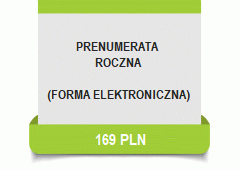
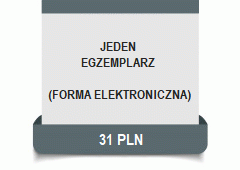
The e-edition of the magazine is available in our offer!

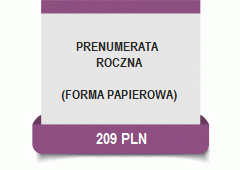
Stay up to date, order a subscription to the LOGISTYKA magazine!