








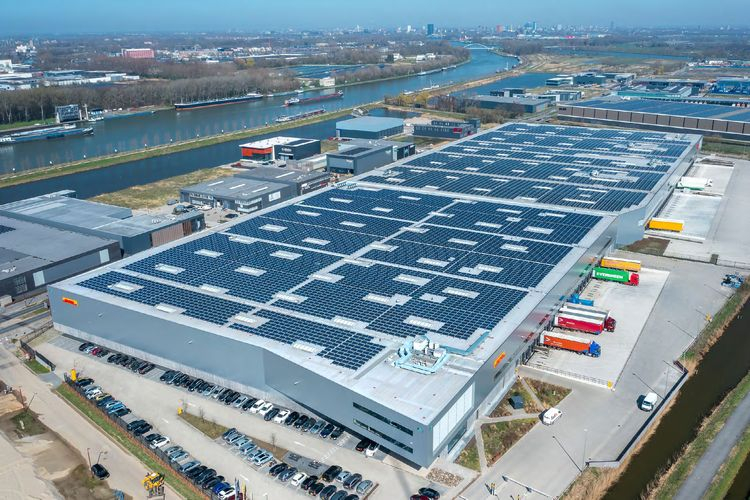
Analysts from the Prologis Research Department assume that in the near future, demand for logistics real estate will remain at a high level. Therefore, in their latest report, they focus on the forces that govern supply.
The transformation of logistics real estate has an interesting trajectory, which is why experts from Prologis have taken a closer look at the structural factors behind supply trends. They express hope that clients equipped with this knowledge will be better able to prepare for changes on the demand side.
Taking into account the limitations resulting from supply barriers, analysts forecast that over the next decade, demand will not be met in most locations. Among the changes that will influence new supply, the following should be noted:
– Significant barriers to new supply. Barriers to new supply have increased significantly, causing a greater gap than ever before between the level of current and new supply. These include:
- geographical barriers – there is a shortage of land capable of accommodating buildings that will prove resilient to future changes. This is particularly visible in the largest consumer centers
- economic barriers – replacement costs are constantly rising as urbanization changes drive competition among players in the real estate market
- administrative barriers – procedures for issuing building and planning permits are more difficult, expensive, and time-consuming than ever before, which increases investment costs and lowers potential supply.
– Growing construction requirements. Modern facilities increase their operational efficiency through location, functionality, and the use of ecological solutions. Location is still the most important factor, but the importance of applying the latest solutions that improve productivity, increase work comfort, and enhance the use of modern technologies is growing. However, these implementations increase construction costs. On the other hand, new legal regulations may hinder investments in specific locations. In such a situation, buildings that were created in the spirit of sustainable construction and are equipped with ecological solutions help tenants and property owners adapt to legal changes. At the same time, the aging of facilities effectively reduces the scale of competitive supply and drives the need for replacement facilities.
– Deepening differentiation between properties.
The indicated trends contribute to a decrease in price sensitivity among tenants – this applies to buildings in good locations or those offering the latest construction solutions. This causes rents in them to rise. Changes on the demand side are likely to intensify this trend because:
- the development of e-fulfillment and the need for rapid inventory replenishment are causing an increase in demand in city center areas, where there is a shortage of logistics real estate;
- the evolution in terms of buildings prepared for what the future holds limits new supply, the faster the more construction costs rise, and aging buildings increase the demand for Class A space.
The full report is available below in PDF format.
The report comes from the website: https://www.prologisce.eu/pl/logistics-industry-research/co-rzadzi-podaza-w-nieruchomosciach-logistycznych