









The development of the global economy significantly affects the shape of transport. Technical and technological transformations also influence changes in the type of cargo transported, which in turn is significant for the size of individual cargo segments. We are transporting more and more highly processed goods; the value of cargo is also increasing. All this also shapes the expectations of transport service customers regarding the services provided.
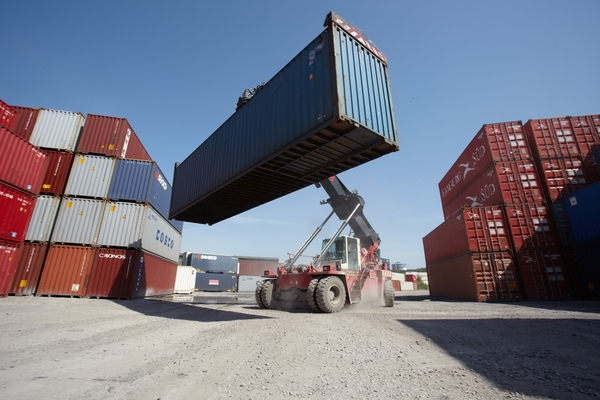
The development of transport brings markets closer together, enables increased production, and thus precedes economic growth. It also activates areas around its infrastructure. New industrial plants and economic-service areas are being built along roads and hubs. Developed and efficient transport is therefore a condition and a factor stimulating economic growth. Conversely, the lack of developed infrastructure can also be a limiting factor. The development of transport is possible thanks to investments, both in the modernization of existing infrastructure and the construction of new infrastructure facilities. The creation of modern infrastructure should precede transport needs. This results, among other things, from the long period required for the construction of infrastructure facilities. The emergence of a new transport technology, in which a weather-resistant, reusable transport unit was used, introduced significant changes to transport processes. The development of containerization enabled the integration of various branches of transport in terms of technology, technique, and organization. Thanks to containerization, the form of supply chains being built has changed. The benefits of this solution were very quickly recognized by participants in transport processes. Since 1956, when the first container ship (the ship “Ideal X”) sailed from Newark to Hudson with a cargo of 58 containers, there has been a dynamic development of this form of transport. In 1966, the first container ship reached Europe. It was the “Fairgrand” and it entered the port of Bremen with a cargo of 226 containers. The era of building ships used solely for the transport of containers began, simultaneously bringing changes affecting the need to build and improve transshipment equipment and terminals for handling container traffic.
Initially, this form of transport had to overcome many technical and technological difficulties, for example, difficulties related to the standardization of container unit dimensions, as American and European dimensions differed. As a result, a compromise was reached and the dimensions of the container unit were unified. The next impulse was the development of the economy in Asian countries, which influenced the increase in trade, and this in turn was of significant importance for the further development of containerization. Since the 1990s, these countries have become the driving force behind this form of transport. Intermodal transport is also promoted by the European Union, which contributes to its development through financial support in various programs. These actions are aimed at reversing an unfavorable trend, namely the decline in the share of rail transport in the freight market. They are extremely important, however, there are concerns whether supporting the development of only this segment of transport will contribute to improving the situation of rail freight transport. Observing the transport market in our country, we see that the share of intermodal transport in rail transport is growing year by year, but this does not lead to an increase in the share of rail in the transport market. Rail transport in Poland has been at the same level for several years, even with a slight downward trend. Road transport, on the other hand, is growing significantly. To change these unfavorable trends, systemic solutions are needed, aimed at equalizing the operating conditions of both branches of transport. Road transport generates much higher external costs than rail transport, yet it pays several times lower fees for access to transport infrastructure. The policy of supporting rail transport should continue until the principles of bearing all operating costs, including access to transport infrastructure, are equalized between the branches. Certainly, intermodal transport should continue to be developed, but not only that. Focus should be placed on promoting the development of other cargo segments in various forms.
The full article is available below in PDF format.
Source: Logistyka Magazine